
This article may contain affiliate or compensated links, and may feature complimentary or discounted experiences. All opinions are my own. Please read the Privacy Policy & Disclaimer for more info.
Planning a trip to Croatia? After living here for almost a decade, I’ve seen the country evolve from a relatively under-the-radar destination into one of Europe’s most popular summer hotspots. While it’s easy to see why –crystal-clear waters, historic cities and over a thousand islands–Croatia can also be surprisingly complex to understand.
From choosing the right places to visit to immersing in the local culture and avoiding peak-season crowds, a bit of insider knowledge goes a long way. In this guide, I’m sharing practical Croatia travel tips based on firsthand experience to help you plan your trip, avoid common mistakes, and get a more authentic feel for the country.
I’ve been living in Croatia for almost a decade, so –if it’s OK with you– I’ll call myself a local, at least an adopted one. Why do I live in Croatia, you ask? That’s a story for another post, but I’ll sum it up in two simple words: Croatian husband.
I visited Croatia for the first time without knowing what to expect, and only wanting to see Dubrovnik. Luckily, I had a reason to come back and that allowed me to explore more and more. And I couldn’t be happier! Not only with the husband, but with experiencing the country further. You wouldn’t believe how much time you could spend in Croatia without getting bored for a second!
Well, after all these years, I’ve gathered a ton of info that I would have loved to have before adventuring into the country, which I’m happy to share with you now –here’re the best Croatia travel tips.
Practical information when visiting Croatia
Money in Croatia
The country’s currency is the euro from January 2023.
Make sure you get some euros in cash. Although cards are widely accepted in bigger cities, still some commerce only accept cash payments, so don’t rely on credit cards. This goes for some private accommodation, restaurants, cafés and public transport. In smaller places cash is 100% king.
Visas
Croatia is part of the European Union and of the Schengen area, so check whether you need a visa. Some nationalities will get a visa-free permit to stay for 90 days in any 180-day period. You will be electronically registered when you enter any country that’s part of Schengen, and every country you visit within the Schengen area will add to the 90-day validity. Some other nationalities will need to apply for a visa in a Croatian Embassy, Consulate, or an accredited tourist agency. Check the official government website for more info. You can also send an email to vize@mvep.hr if you have any questions about the process.
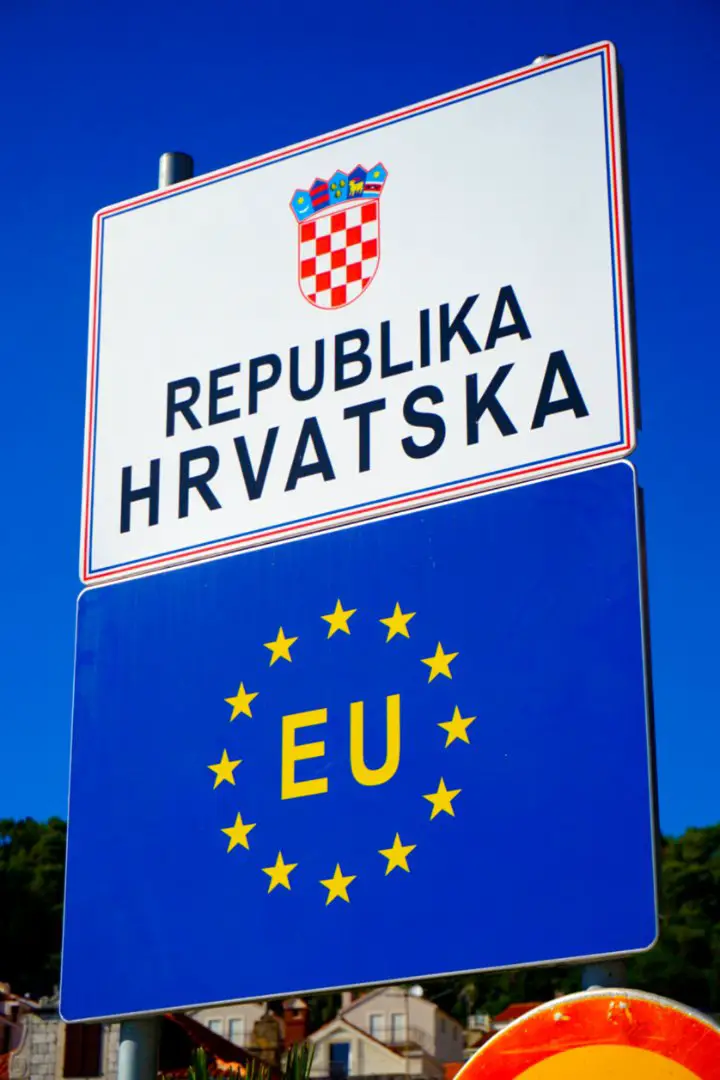
Keep in mind: Even thought the country is internationally known as Croatia, its real name is Republika Hrvatska (I know, its hard to see the connection!)
Transportation in Croatia: how to get around efficiently
In my sustainable travel guide I went on and on about choosing trains over any other form of transportation. Well, it pains me to say it, but in Croatia you should forget trains, and use buses instead –it’s how I still travel between cities most of the time. Trains are slow, often expensive, and not very practical for most routes.
Croatia is also a perfect destination for road trips. If you can rent a car, that’s be the best way to move around. You’ll have a lot more flexibility, and you’ll get to stop in smaller villages in between your destinations.
Keep in mind: If you’re going to Dubrovnik from anywhere else in Croatia, you used to have to cross the Bosnian border in Neum, the only access to the Adriatic Sea that Bosnia and Herzegovina has. But now there’s a bridge connecting the semi-exclave through the Pelješac peninsula, making the trip much easier.
But if you want to skip the bridge and go through Neum, all you need is to have your passport ready to be stamped out-in-out-in. If you rented a car, make sure you ask for a “green card” that will allow you to take the car out of the country.
Best time to visit Croatia (and when to avoid it)
I can’t recommend visiting off season strongly enough. Unless you’re attending a music festival, or you have any other huge reason to come in July or August, please avoid those months. Shoulder season is much better! It’s still hot and beach worthy, but the crowds have reduced significantly. Plan for May-June or September-October.
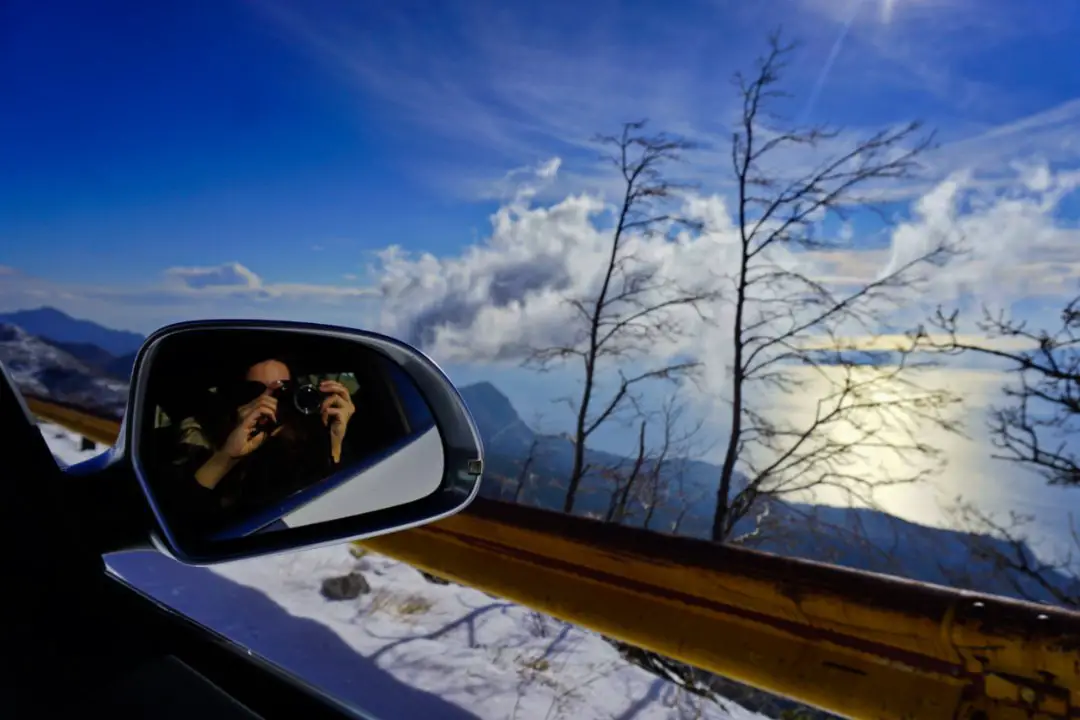
Winter in Croatia is also amazing! Christmas time is beautiful, and you get to go from snow in the hinterlands to sunny days in the coast.
RELATED POST: Visit Croatia in Winter: Uncover the Treasures Beyond Sun and Beaches
Where to stay in Croatia
Booking.com is the most popular platform to secure you accommodation. You’ll find hotels, hostels, apartments and even entire villas to rent. If you’re on a budget, look for alternatives in HostelWorld.com
Pro tip: If you come in summer, you can avoid the crowds (and the high prices) by booking you accommodation a bit away from the main destinations. Instead of basing yourself in Dubrovnik, try Cavtat. As an alternative of Split, go to Kaštela. Instead of Rovinj, book in Poreč.
What to visit in Croatia based on your travel style
There’s so much to see and do in Croatia. Here’s how to think about it based on your travel style:
Croatian islands: how to choose the right ones for you
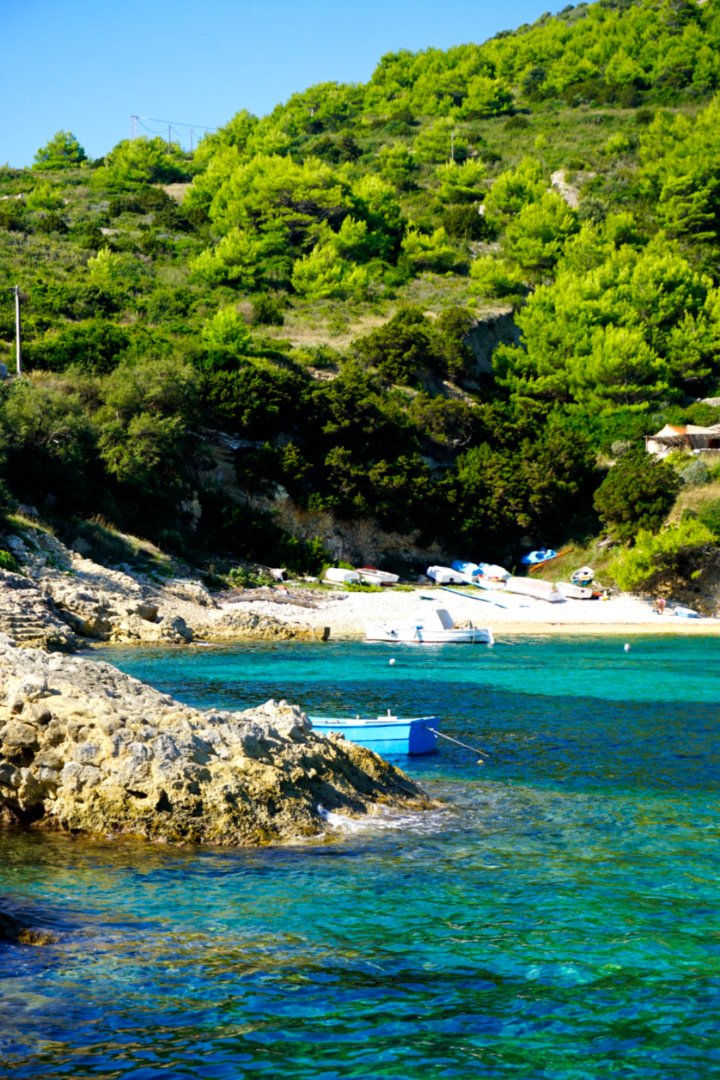
Croatia is the land of a thousand islands. Literally. Over one thousand. How to choose the right one for you? Well, you can’t really go wrong, every island is special in its own way.
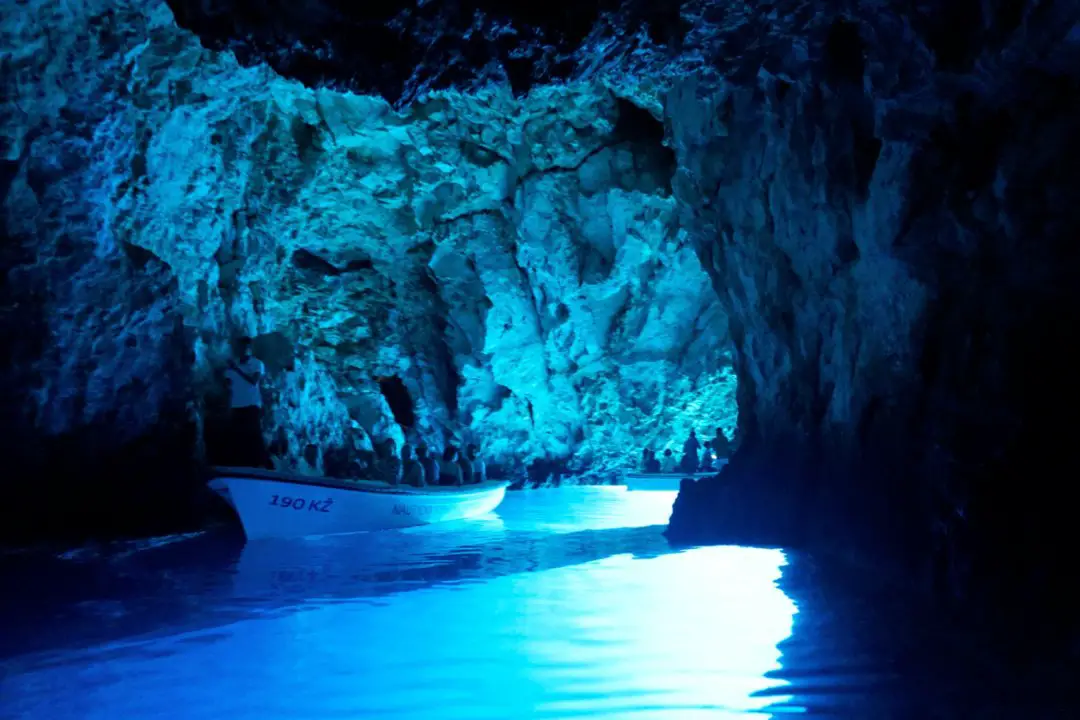
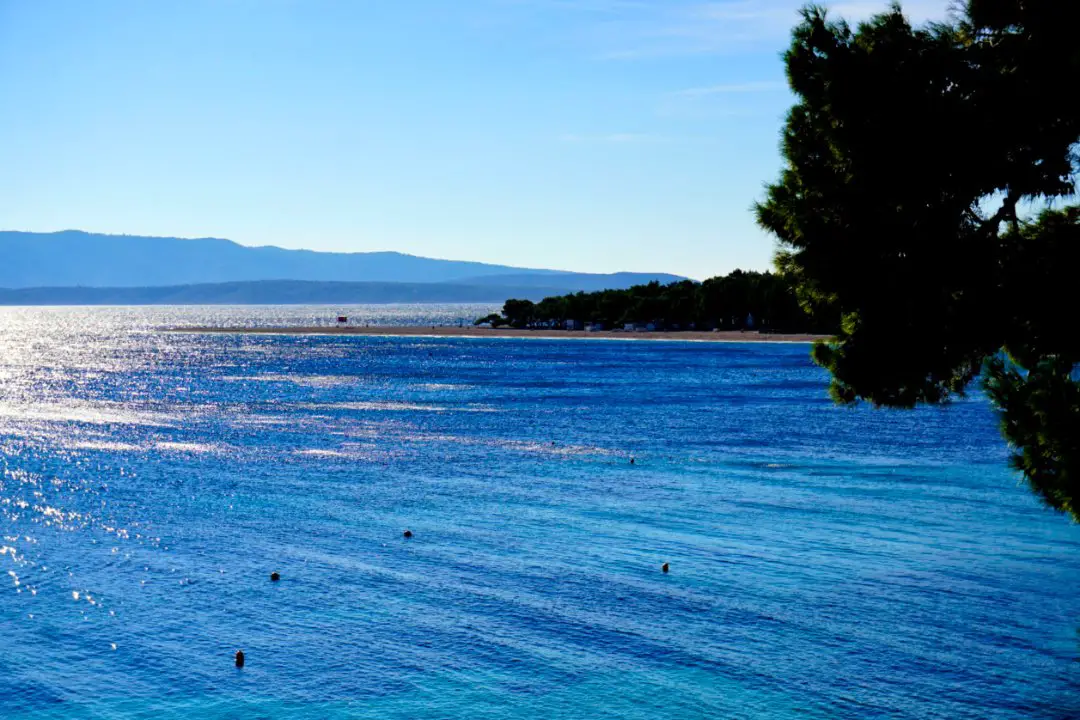
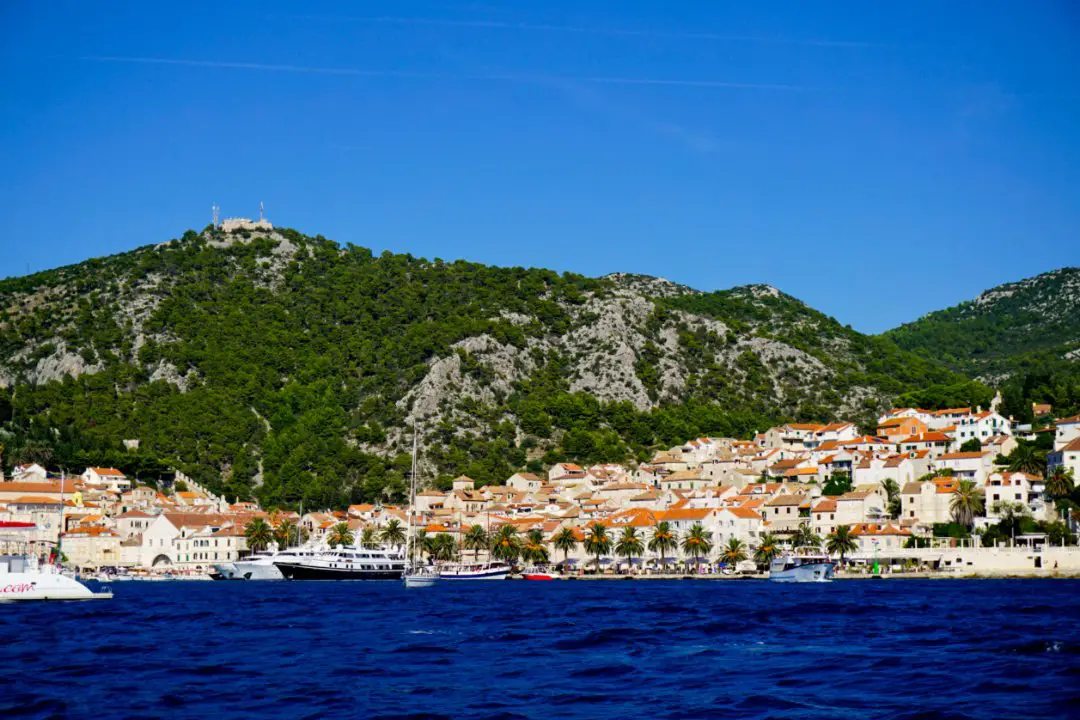
Hvar and Pag have developed a reputation as party islands. Brač is known for its Golden Horn, a world-class beach. Korčula has beautiful architecture, with loads of Venetian influence. Vis is among the furthest from the continent, so ideal for a peaceful retreat. Krk, on the other hand, is one of the most accessible islands, connected through a bridge to the continent. You name what you’re expecting, Croatia will have an island for you!
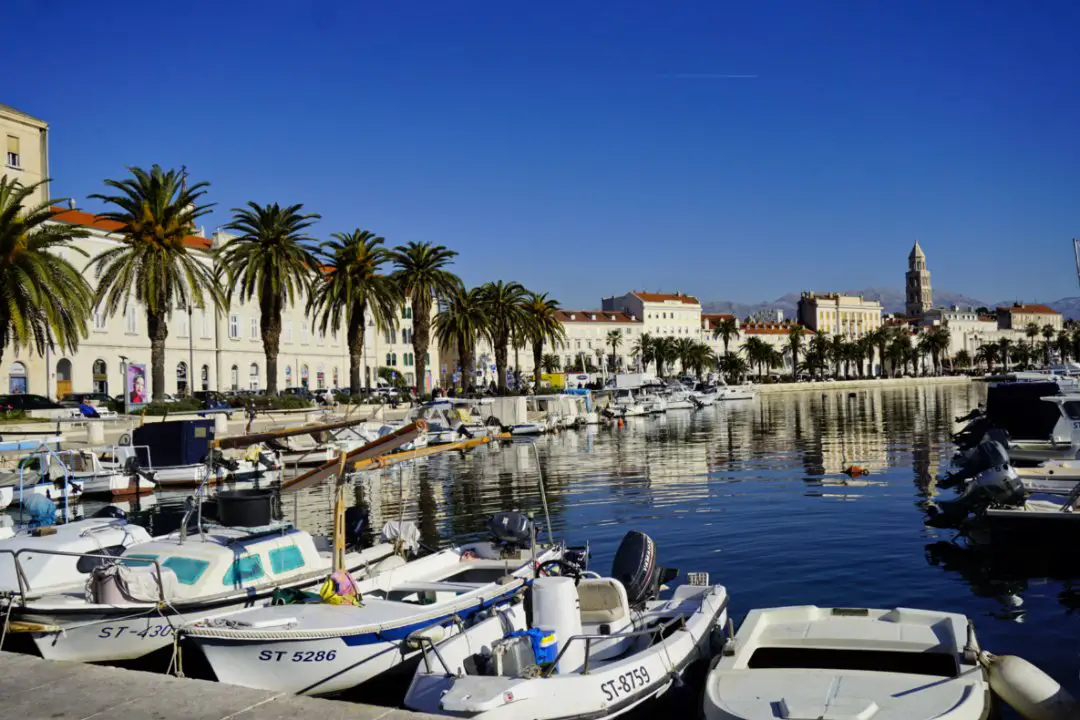
My best advice is that if you have limited time, you should stick to 1–2 islands. If you have more time to explore and want to see a broader variety, base yourself in Split since it’ll give you the opportunity to explore several islands as day-trip, or to connect among them if you want to stay overnight along the way.
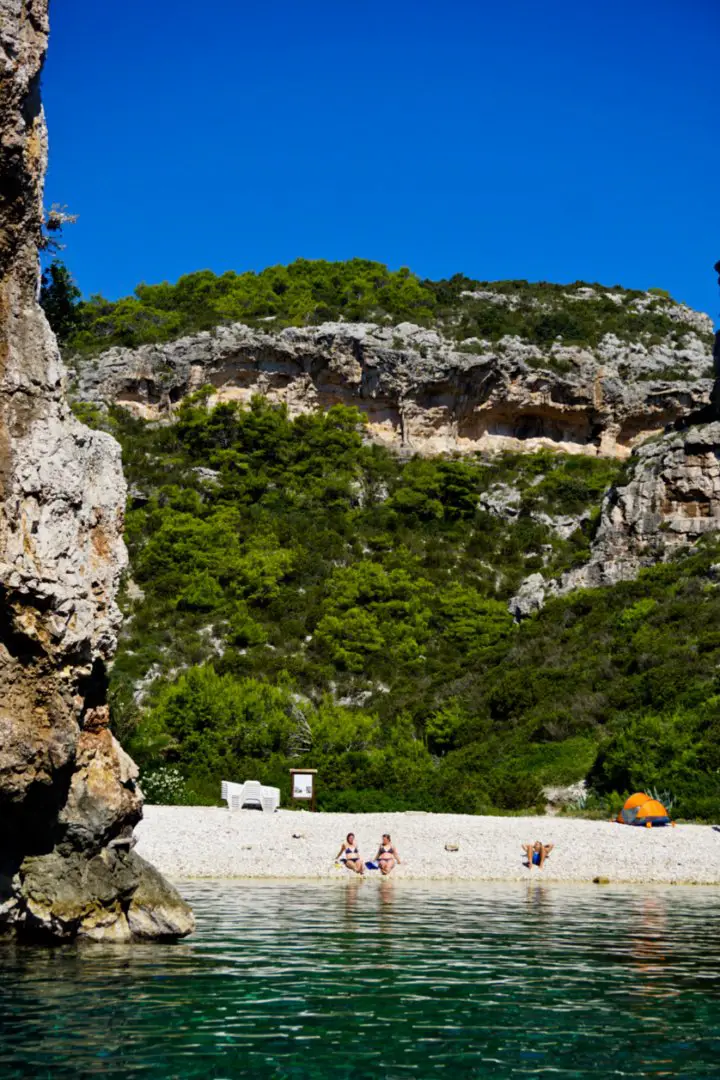
Pro tip: Don’t forget to pack water shoes. Even though there are beautiful sandy beaches, the norm here is that there’re pebbles. And trust me, the untrained feet can’t handle rocky beaches well. So make sure you have a good time by having the proper footwear.
Cultural experiences in Croatia: cities, history and heritage
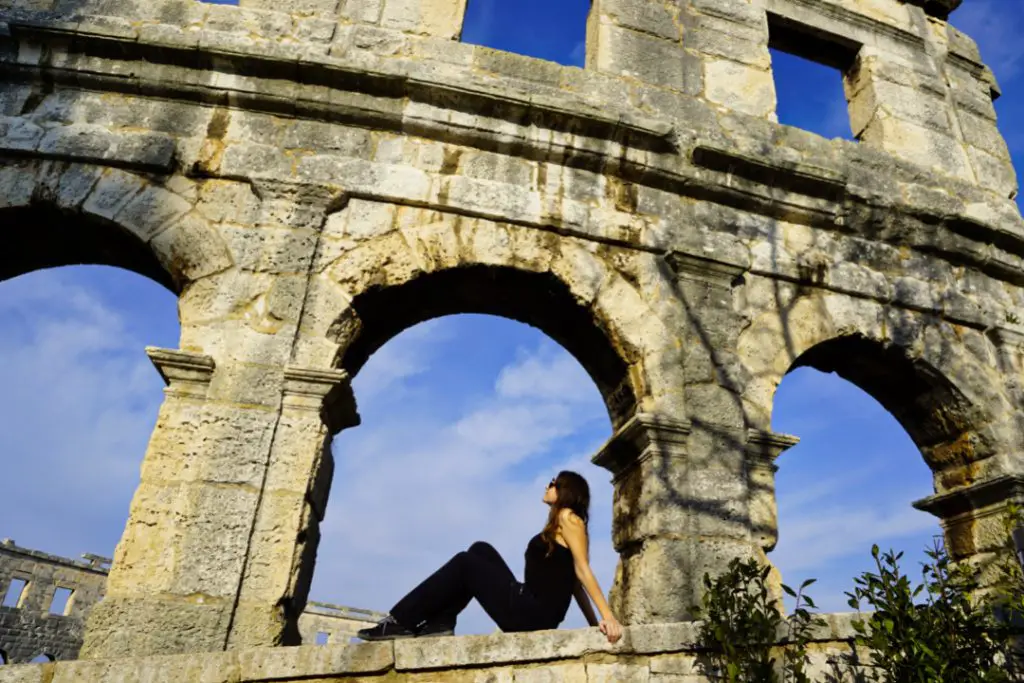
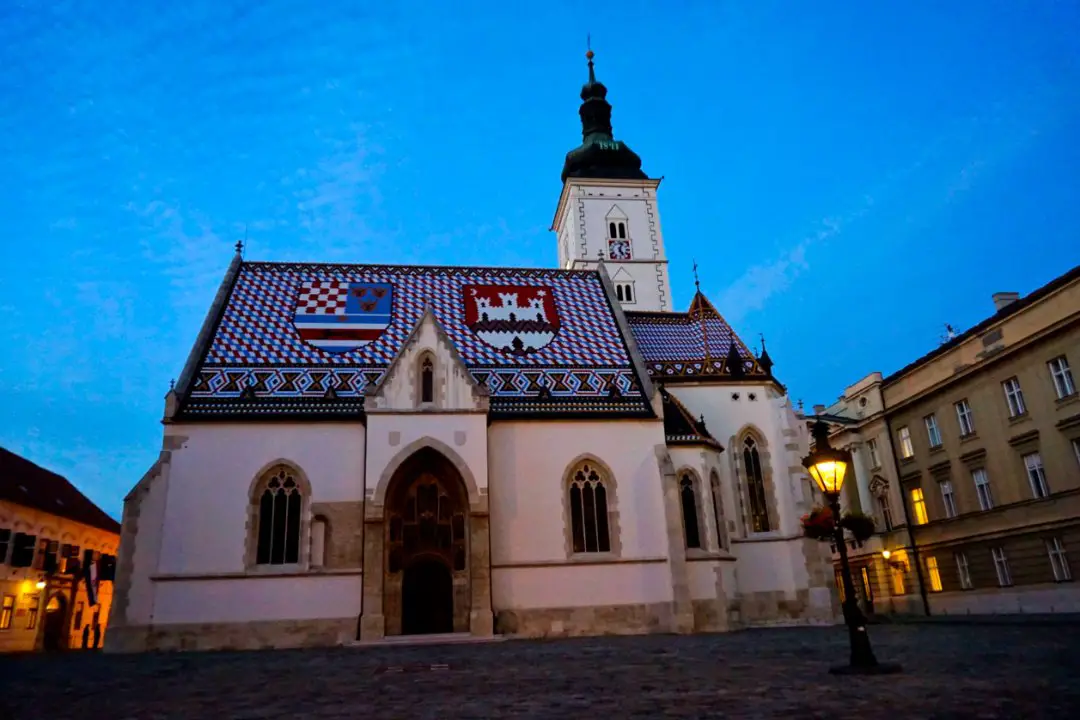
The basics stops if you want to see the layers of history in Croatia are Split to visit the 1700-year-old Diocletian’s Palace; Pula for one of the best conserved Roman amphitheaters in the world; Dubrovnik for its medieval walled Old Town; and Zagreb for its Austro-Hungarian architectural style.
As for smaller towns, consider the beautifully preserved city of Trogir, a medieval town with tons of Venetian influence; Ston with its “European Great Wall of China” and its salt pans, the oldest in the continent; Šibenik for its UNESCO protected Cathedral of St. James; Zadar, the oldest continuously-inhabited Croatian city, filled with Roman and Venetian ruins; and Osijek for its Baroque style, and an underlying mix of Hungarian and Ottoman influence.
RELATED POST: Dubrovnik travel guide: places to visit and how to be sustainable
National parks in Croatia: which ones to visit and when
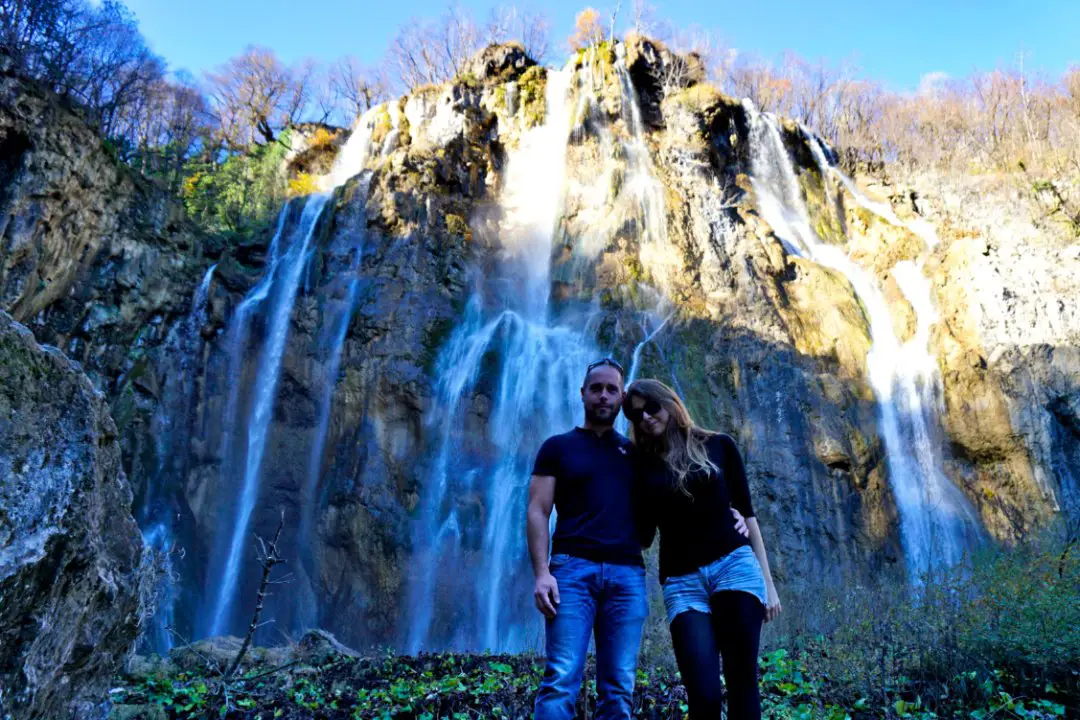
I’m sure you’ve heard of Plitvice and Krka. Their reputation is huge, and with reason! They are truly gorgeous. If you visit off season, by all means go see them. If you happen to be coming in the peak of summer, I’d advice to think twice. The crowds make them unbearable. The hiking trails and boardwalks in both parks are narrow, so having tons of people stopping in front of you to take a selfie is not the best way to spend your vacation.
Consider any of the other beautiful (and lesser known) National Parks the country offers. If you like diving, then Kornati is the place for you. For hiking lovers, add Paklenica and Northern Velebit to the list. If you want peace in the middle of the forest, but still have world-class beaches nearby, then Mljet is the best destination to go (and one of my favorite places in the country, but don’t tell anyone! 🤫).
Croatian wine: what makes it special and where to try it
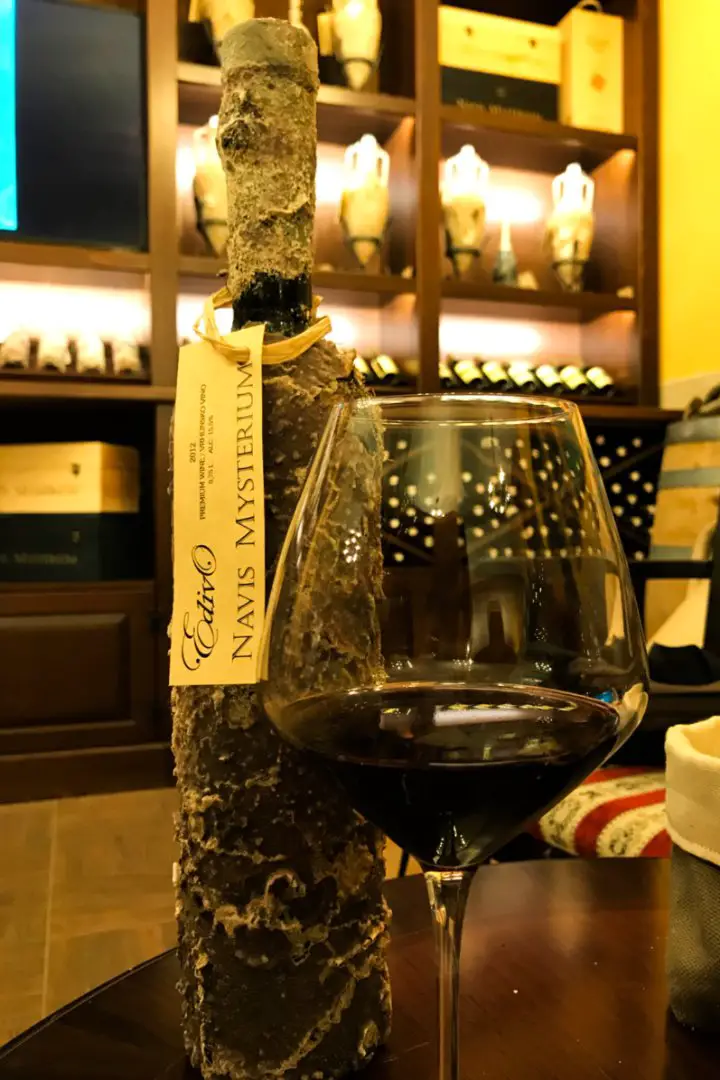
Croatia is wildly underrated when it comes to wine. If you enjoy it, you’re in for a surprise! Croatian wine is completely off the radar internationally, but it has over a millennium of tradition. Do you think Zinfandel is an American variety? I’ll burst your bubble here and now! The grape is actually called Crljenak Kaštelanski. It comes from a small town next to Split, and it found its way to the United States in the mid-19th century. No wonder one of the brains behind Napa Valley’s success is also a Croatian: Mike Grgich (actually named Miljenko Grgić)!
A paradise for red varieties is the Pelješac peninsula. Dingač, the best Croatian red, grows there. This strong wine is the product of triple insolation: from the direct effect of the sun, and from its reflection both in the rocky soil and the sea, as the vines grow in the slope of a hill. The grape variety is called Plavac Mali, but depending on the specific region it grows from it has a different denomination. It’s hard to go wrong with any Dingač or Postup.
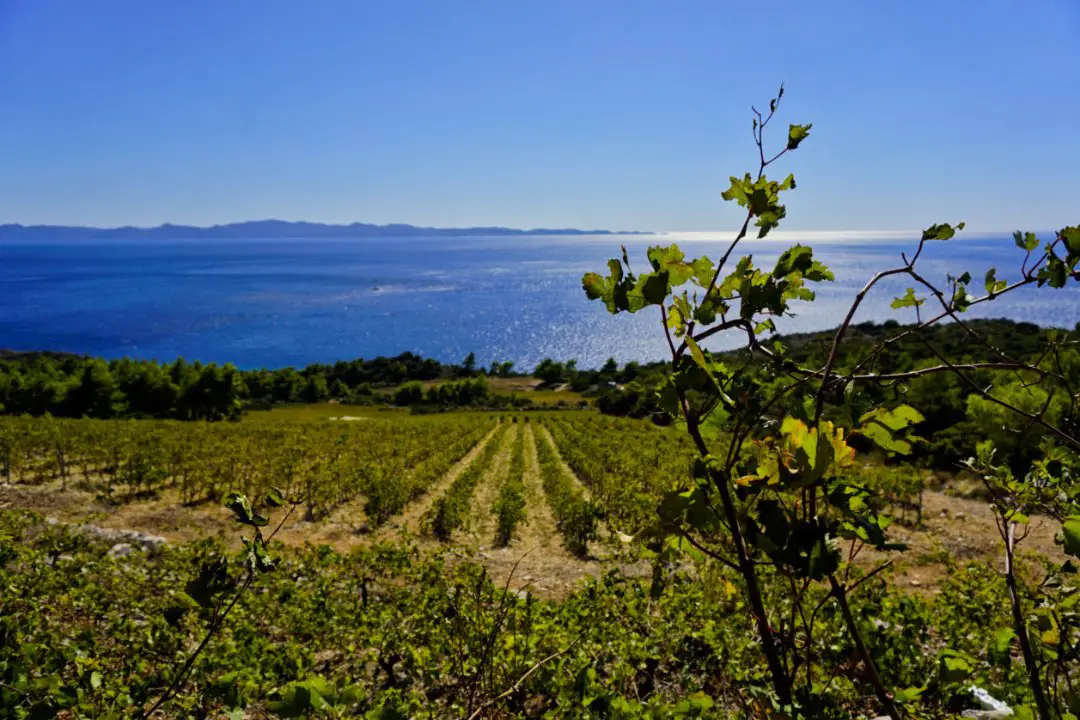
As for white varieties, the best places to go are Istria and Korčula. The Istrian peninsula is home to sweet and fresh Malvasia, while the island’s trademark wine is rich and flavorful Pošip.
Some other islands also make stellar wine. If you visit Brač, stop by Stina Vino in Bol. In Hvar, don’t miss Duboković Wines.
Pro tip: If you don’t have time to squeeze in a visit to a winery, try a wine bar at your destination. They offer tastings of the main varieties of the country’s labels. In Split I recommend Bokeria, Paradox and Zinfandel. As for Dubrovnik, D’Vino and Malvasija. In Zagreb Vinoteka Bornstein is the best rated option.
RELATED POST: Wine tourism in Europe: the most underrated wine destinations
If you’re not driving it might be hard to get to the wineries, so consider a tour to get to experience Croatian wines. I can recommend these ones:
Active holidays in Croatia: adrenaline and more
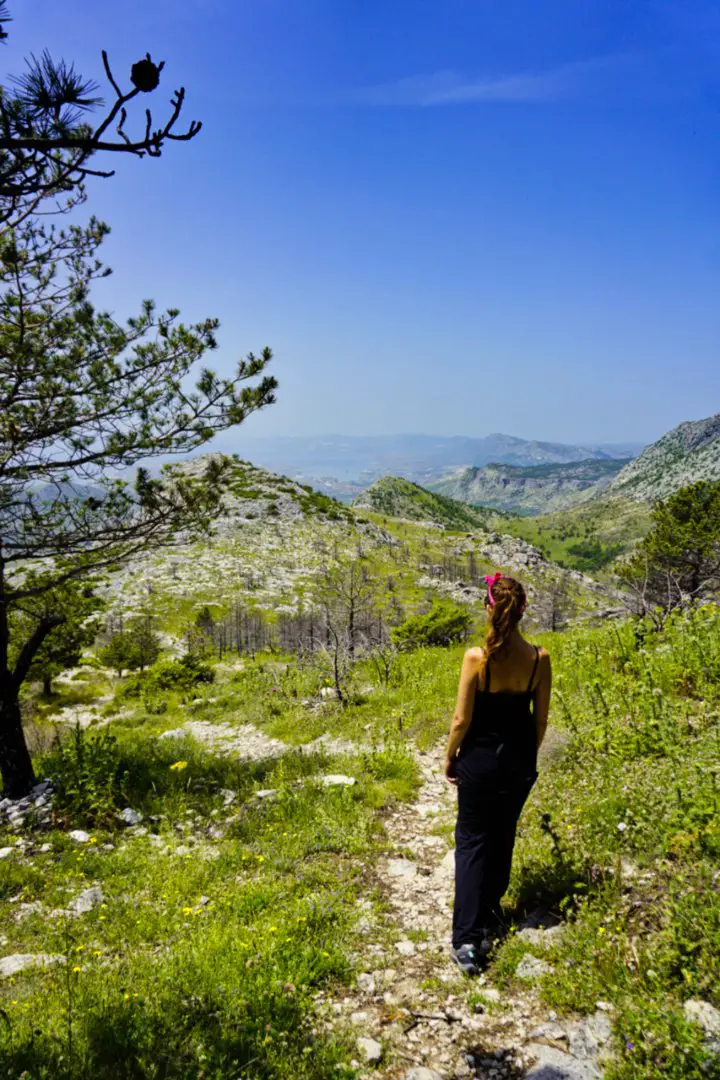
The place to go is Omiš. Croatia’s capital of adventure offers rafting, canyoning, via ferrata, ziplining, and rock climbing, among other activities to make your heart beat faster. Even if adrenaline is not your thing, Omiš is also a beautiful destination for sightseeing. The mountains reach the sea in the most dramatic way, and the cliffs over the canyon of Cetina river are remarkable as well.
Understanding Croatia
How the country came to be
The whole Balkan peninsula has a rough history of invasions and foreign control. This becomes pretty obvious when you visit various cities. The distinct layers of architecture, and even the influences in the language, will tell you about all the foreign powers that controlled Croatia through the centuries. You can see the differences in Roman Split, Venetian Rovinj, Medieval Dubrovnik and Austro-Hungarian Zagreb, to name a few. Even the Ottomans left their mark in the country: almost reaching the Adriatic Sea there was a caravanserai –you can see the ruins now in Vrana, between Zadar and Šibenik, and even stay the night in at the Heritage Hotel Maškovića Han.
A bit of history…
The country has been inhabited since the Paleolithic Age. Later, it was settled by Illyrians and Liburnians on the mainland, and by Greeks on the islands. In 9 AD, the territory became part of the Roman Empire. The Croats (a South Slavic ethnic group) arrived in the 7th century. By the 9th century, a Croatian kingdom had formed, with Tomislav crowned its first king around 925.In 1102, Croatia entered a personal union with Hungary and, facing Ottoman expansion, elected Ferdinand I of Austria to the throne in 1527, becoming part of the Habsburg Monarchy (later the Austro-Hungarian Empire). Meanwhile, between the 15th and 18th centuries, much of the coastal regions of Dalmatia and Istria fell under Venetian rule. After World War I, Croatia became part of the State of Slovenes, Croats and Serbs, later renamed the Kingdom of Yugoslavia.
During World War II, most of the territory was included in the Nazi-backed Independent State of Croatia. After the war, it became the Socialist Republic of Croatia, a constituent republic of the Socialist Federal Republic of Yugoslavia. On June 25, 1991, Croatia declared independence (formally severing ties on October 8), followed by the Homeland War, which lasted four years. Since 2013 Croatia is a member of the European Union.

Tourism’s growing pains
It might not be what you expect, but tourism in Croatia is experiencing growing pains, and not everyone is convinced it’s the best for the country. So be patient if you see a sour face, and bear in mind that most people will be nice, especially in the smaller villages.
If you become friends with a local, most likely you’ll hear them say that the ideal tourist is the one that sends their money and doesn’t show up. There’s a lot of entitlement in some of the visitors (I’m especially looking at partygoers, get-drunk-and-puke-in-the-UNESCO-sites kind of people –most of which happen to be young Brits) and the locals obviously don’t like to see that around their country.
Airbnb has also become a major issue. Many people are moving out of city centers to rent their properties to tourists, contributing to the loss of local life and character. There’s no easy solution –short-term rentals are highly profitable, and regulation remains limited. Tourists aren’t to blame for visiting, but they are sometimes made to feel like they are.
In a nutshell, Croatia has a tourist-oriented economy, but it’s not ready to adapt to being a tourist country. Hopefully in a few years things will find a balance.
Croatian language
I think that if you don’t speak any Slavic languages (like Russian, Polish or Czech) you’ll find Croatian super intimidating. It’s hard to pronounce, the words are made up of mostly consonants, the letters have weird symbols, and nothing sound even remotely similar to English. Even though I live here, I’m still struggling!
Now, even with that said, you don’t need to know Croatian to enjoy your time here, but learning a few words goes a long way. This is advice for every country you visit, but here it’ll come super handy if you go a bit off the beaten path. In the big touristy destinations everyone will speak at least a bit of English, but if you go further away (even to the non-touristy parts of touristy towns), English completely disappears.
Here’s a quick guide of basic Croatian phrases
Hello – Bok (bohk)
Please – Molim (MOH-leem)
Thank you – Hvala (HVAH-lah)
You’re welcome – Nema na čemu (NEH-mah na CHEH-moo) or Molim (MO-leem)
Yes – Da (da)
No – Ne (ne)
How are you? – Kako si? (KAH-koh see?)
Fine, thank you – Dobro sam, hvala (DOH-broh sahm, HVAH-lah)
Good morning – Dobro jutro (DOH-broh YOO-troh)
Good day – Dobar dan (DOH-bahr dahn)
Good evening – Dobra večer (DOH-brah VEH-cher)
Good night – Laku noć (LAH-koo notch)
Excuse me – Oprostite (oh-PROHS-tee-teh)
I’m sorry – Žao mi je (zhaow mee yeh)
Goodbye – Doviđenja (doh-vee-JEH-nyah)
What is your name? – Kako se zoveš? (KAH-koh seh ZOH-vehsh)
My name is – Zovem se (ZOH-vehm se)
Nice to meet you – Drago mi je (DRAH-goh mee yeh)
Do you speak English? – Govorite li engleski? (goh-VOH-ree-teh lee EN-gless-kee)
Where are the toilets? – Gdje je WC? (gdyeh yeh weh-tseh?)
Men – Muški (MOO-shkee)
Women – Ženski (ZHEN-skee)
Entrance – Ulaz (OO-lahz)
Exit – Izlaz (EEZ-lahz)
If you’re spending more than a few days in the country, I advise you to get a phrasebook to make your life easier. This Lonely Planet one is small, light and an excellent resource.
Croatia’s way of life
Coffee culture & Fjaka
Time passes slowly in Croatia, especially in the villages. People can sip their coffee as if there was nothing in the world to worry about. Some friends come. Some friends go. After hours drinking from the same small cup, and after catching up with the entire community, it might be time to go. Or maybe time to get another cup. Beautiful, right? Life is meant to be enjoyed, in an authentic Mediterranean style.
Fjaka is Croatia’s reply to Italy’s “dolce far niente”. For you as a visitor it means 2 things. First, that some commerce might be close during the afternoon. Second, and more importantly, is that if you want to experience Croatia’s way of life you need to travel slow and leave time to sit in a Caffe Bar and sip your mala kava (small coffee) for hours while doing people watching.
There’s a great coffee scene in pretty much every city and town in the country. Even in the middle of winter, when it seems like no one even lives in a place, you’ll find a Caffe Bar opened. That’s where all the locals are! If you hear “idemo na kavu” (ID-em-oh nah CArvoo), just say “da” –let’s go for coffee and yes!
Cheat sheet: How to order coffee? Something that should be quite straight forward can be an adventure in Croatia! Here’s some help:
Mala kava: espresso
Velika s hladnim: coffee with cold milk
Velika s toplim: coffee with hot milk
Kava mix: espresso with half milk and half cream
Produžena: “large” coffee (the closest you’ll get to an americano)
What Croatians drink: from wine to local spirits
THE spirit in Croatia is rakija. It’s a fruit brandy popular in the whole Balkan peninsula (think Italian grappa, Hungarian palinka or Greek ouzo).
You’ll find it with different flavors and in a range of alcoholic percentage. The most common one is made from plums and it’s called šljivovica. This can easily go up to 60%. If you want to taste a milder one, go for medica (made from honey), which usually is around 20%. My personal favorites are Višnjevac (made from sour cherries) and orahovica (made from walnuts).
You’ll get rakija offered, and you shouldn’t say no. It’s a sign of being welcome into someone’s house, so the polite thing to do is to accept it, even if it’s at 9 in the morning (trust me, I know from experience). Also, don’t ever question its medical properties –it can heal from a toothache to a fever, and Croatians will even tell you it can cure a hangover!
As I described above in destinations for wine lovers, Croatian wine is not known abroad, so it’ll be a huge discovery for you! You’ll find inexpensive table wine everywhere, but if you can splurge a bit, try Dingač if you like red varieties, or Pošip if you prefer white ones.
Whichever drink you decide to taste, don’t forget to learn the magic word: Živjeli! [ZHIvyelee] –Cheers!
Everyone smokes everywhere
If you’re a smoker, this might be music to your ears. If not, prepare to suffer. This is one of the things I dislike the most about the country, but there’s no way around it. Caffe Bars, shopping malls, restaurants, the beach… you name a place, you’ll find a local smoking there.
Because tourism is growing, and this is unheard of in (I want to say more developed, but I’ll simply stick to other) countries, some cafés and most restaurants have a smoke-free area. Phew!
Religion in Croatia
Croatia is a Catholic country, and they take their religion seriously, not only the cult, but the fact that Catholicism is a big factor in their culture. It’s one of the features that defines the Croat ethnicity, and differentiates them from Bosniaks and Serbs. In Croatia this is a HUGE deal!
If you’re not Catholic but wish to visit churches, feel free to, you’ll be absolutely welcomed (sometimes for a fee), but dress properly. It might seem crazy to hear this, but I’ve seen people trying to go in the Split Cathedral in a bikini. It should go without saying, but that’s absolutely unacceptable!
Shop at a local green market
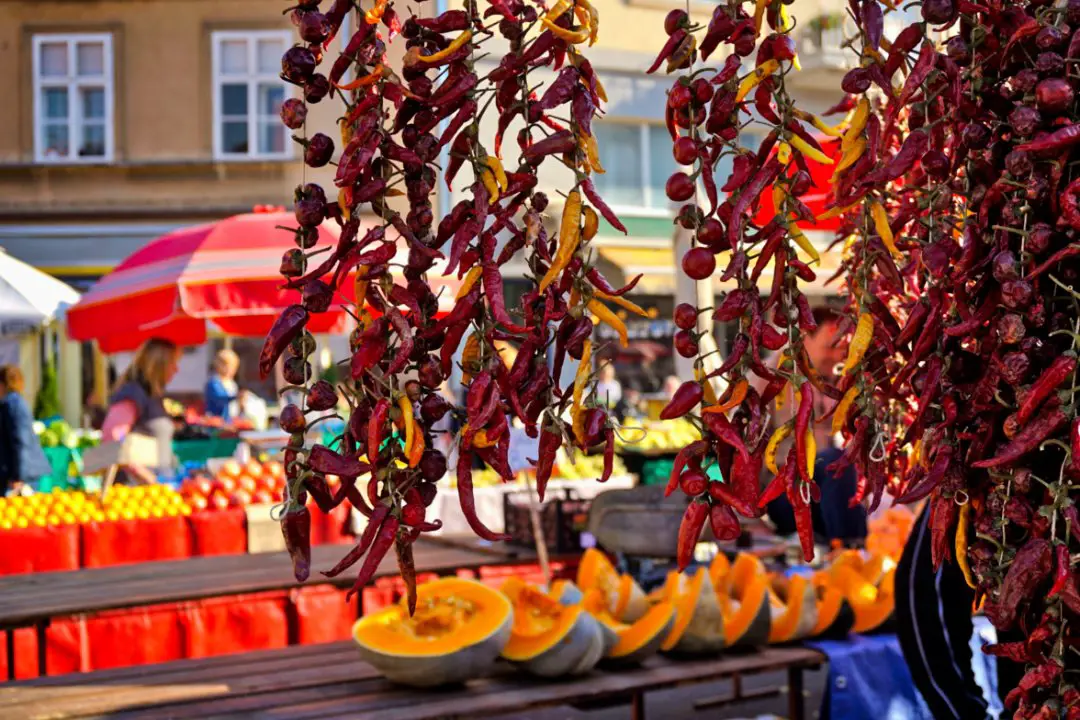
From Dolac in Zagreb to Pazar in Split, green markets are an institution. You’ll get fresh, seasonal and locally produced fruits, vegetables, legumes and flowers that you can buy from colorful sellers. You’ll also get to see stalls with grannies selling their own grown products, and it doesn’t get any cuter!
Buying locally grown and season food is a fantastic way to be a sustainable traveler, and here you get to be one while visiting a popular attraction of the cities.
Learn how to swear
Last but absolutely not least, to thrive in Croatia you need to learn a few swear words.
The most important word is jebiga (YEH-bee-ga). There’s a meme that describes it as “a Croatian reaction to the apocalypse, the dawn of the gods, a nuclear war, an alien attack or no bread in the house”. It can be loosely translated as f*ck it. From here the sky is the limit. My personal favorite is jebo ti pas mater (YEH-boh ti pahs mah-tehr), literally “may a dog f*ck your mother”. It tells you a whole lot about the country, doesn’t it?
Another classic is all the uses of kurac (KUH-rahts) –d*ck. Ajde u kurac (AYH-de uh KUH-rahts) would be a ‘go to hell’ (even though the literal translation is ‘go to the d*ck), and boli me kurac (BOH-lee meh KUH-rahts) stands for ‘I couldn’t care less’ (but it translates as ‘my d*ck hurts’).
It is indeed a special language in a special country!
Croatia is one of those places that’s easy to fall in love with, but also easy to miss out on if you don’t know where to look. Beyond the postcard-perfect coastline, there’s a layered country shaped by history, culture and a fast-changing relationship with tourism.
Take the time to slow down, look beyond the obvious stops, and approach it with a bit of curiosity and respect. That’s when Croatia really starts to reveal itself, not just as a beautiful destination, but as a place with depth, character and stories worth understanding.
Before you go: If Split is on your itinerary and I happen to be in town during your visit, I occasionally offer tours and photoshoots around the city. I’d be happy to create something tailored just for you –look at this link as a reference or write to me directly to coordinate.
Continue planning your trip to Croatia:
→ Dubrovnik travel guide: places to visit and how to be sustainable
→ Visit Croatia in Winter: Uncover the Treasures Beyond Sun and Beaches
→ Wine tourism in Europe: the most underrated wine destinations
Liked it? Want to read it later? Pin it!
Enjoyed what you read? A lovely way to show appreciation is by buying me a coffee.
Your support keeps the stories, guides and geopolitical insights coming. Thank you so much!


Really enjoyed reading through your insights here. Really appreciate your sharp eye for detail and the genuine passion that shows in your styling curation. Sending love and looking forward to your next post!
Thank you so much for your lovely words, Sarah!
Just a fantastic post. Croatia is on my list for places I would like to visit in 2024. Hopefully a trip to Dubrovnik.
Thank you, Peter! I hope you’ll get to come visit! I wrote a specific guide on how to visit Dubrovnik sustainably, if you’re interested. Don’t hesitate to reach out if you have any questions 🙂
My new husband and I are trying to decide on where to travel for our honeymoon (and first trip in a while, like many). Croatia has been one of our places to explore further so I appreciate this post!
Best wishes for you and your husband! Hope you have a lifetime of travels together!
Croatia is a beautiful place for a honeymoon. If you decide on it and have any questions, don’t hesitate to reach out 🙂
In May 2019 I spent 4 days in Rovinj and fell in love with Croatia. I really want to return and explore deeper. Fingers crossed for travel to open up in 2021. I may take you up on the offer of having you guide me around!
I’m keeping my fingers crossed too! Absolutely let me know when you visit, I’d be happy to show you around my lovely adoptive town, Lynne 🙂
I’ve only been to Zagreb, and I did notice that every bar I went into was filled with people smoking! But I can’t wait to go back and explore more of the country!
When you come to the coast your life will be easier -most of the bars have terraces, so you can breath 🙂 Hope life allows you to come explore more soon!
We’ve been talking about Croatia a lot lately, so this post came at a perfect time! It looks like such a wonderful place!
It is indeed! Don’t hesitate to reach out if you have any questions when planning the trip 🙂
Hey! Amazing tips! I feel so much more prepared now for my trip. It’s great to know what to expect before reaching a destination. Thanks so much for such a wonderful and detailed guide!
Awww! Thanks for your words! I’m so glad you feel that way. Let me know if you have any questions preparing your Croatia trip!
I’ve only made it to Hvar – wish I’d had this post when I planned my trip. I especially found your info on Croatian wine useful
There’s always the possibility of another trip 😉
I have been to Croatia before and it really is such a beautiful place on this earth. I loved every second of my trip. Would love to go back someday.
I love to hear you enjoyed your trip! Maybe life will let you come back 😊
Such a beautiful place, look at those photos, gorgeous! Amazing advice/history too.
Thanks, Cass! Happy you enjoyed the post 😊
I love Croatia and definitely think that visitors should go beyond the typical locations like Split and Dubrovnik. There are so many amazing islands worth visiting including Vis, Korcula, Solta…the list is endless!
Right??? I mean it when I say you can spend months here and not get bored. It’s a small country full of amazing destinations!
Never been to Croatia but it’s on my list. Thanks for sharing it.
You’re most welcome! 😊
A roadtrip around from Croatia to down south has been a dream and this is such a helpful guide for first-timers.
Glad to help! Hope you book the trip soon 😊
I loved Croatia when I visited – one of my favourite countries! I spent time around Split and some of the islands but I still want to go back and see Dubrovnik!
There’s really so much to see here! Hope you can come back soon and explore. Make sure you visit Dubrovnik off season, though.
What an epic post!! So, I already wanted to come to Croatia and visit the National Parks and go hiking, but there is soooo much more! I had no idea there was good wine to find as well. You are so lucky to live in such a gorgeous part of the world!
p.s. Sooo, I totally agree with your idea about coming on the off-season or shoulder season but we really do want to walk/hike as much as possible. Do you think the late autumn could work for us?
Thanks, Josy! I’m so glad to help you discover a bit more about the lovely country that adopted me!
As for hiking, actually summer is the worst time. Not only because of the crowds, but also for the heat. Autumn and spring are perfect! Even winter if you stay by the coast! My boyfriend and I host a hiking day trip from Split, and last December we got guests who were super happy with the sunny days they got. We’ve been out of Croatia in 2020, but the winter couldn’t be milder! Anyhow, spring and autumn are the best options!
Let me know if you go by Split. If I’m home, we can meet for a drink and some more tips 😊