
This article may contain compensated links. Please read the Privacy Policy & Disclaimer for more info.
Morocco can be a challenging place, but it’s a rewarding one too. Visit Marrakesh to witness the magic of its Medina, get lost in the souks, wonder at the architecture of the palaces, madrasas, and mosques, try the delicious local food, and drink mint tea –tons of it!
In this guide I’ll show you the good, the bad and the ugly of this magical and chaotic city full of contrasts.
Dreaming of visiting Marrakesh
I grew up thinking that Morocco was the most exotic place in the world. I imagined magical snake charmers, beautiful flying carpets, and oasis in the desert that were calling my name. When my sister Marce went to Marrakesh I was still a teenager, and spent days reading over and over again a book she brought back for our dad. It was decided, Morocco would be the first African country I’d visit.
And so it was. I’m all about traveling solo, but I was a bit skeptical after all the warnings I’ve read online. “Women on their own could be attacked”, “don’t show your knees”, “wear a fake wedding ring to dissuade men”, “don’t make eye contact with anyone”… It felt like every women with an online-written opinion was saying that it’d be a trip to the Stone Age. But I managed to convince two of my friends to join, so I felt much more confident.
The ugly truth about Morocco
To be honest, I loved Morocco, but some of the things I’ve read turned out to be quite accurate. We were there during a really hot week in the middle of Ramadan, so we thought it might have been because people were on edge without being able to drink or eat during the day. We were harassed on the streets, even with our knees covered, we were told we’d be going to hell for showing part of our legs, and an old man even hit one of my friends with his walking stick, only because he could.
I’m sorry to start on a negative note, but I’m going through all of this because I read a CN Traveler article including Morocco in a list of “the best places for your first trip abroad”, and as much as I love Conde Nast, I think they’re mistaken. Don’t get me wrong, Morocco is wonderful, but you need to have a thick skin and a bit of travel experience to fully enjoy it. It sure is safe, in fact it’s becoming more and more touristy, so maybe things will slowly change.
A word specifically for solo female travelers: the challenges I described are real, and worth taking seriously rather than dismissing. Harassment in the medina is not uncommon, and Morocco has seen high-profile cases in recent years that have understandably given some women pause. That said, I don’t think the answer is to avoid Marrakesh, but to go prepared. Travel with a friend if you can, particularly on your first visit. Dress modestly, not because you should have to, but because it genuinely reduces unwanted attention. Learn “la, shukran” and use it confidently. Avoid the medina alone after dark. And trust your instincts: the same instincts that serve you well anywhere in the world will serve you here too. Morocco is worth it. Just go in with your eyes open.
The snake charmers were the worst thing to witness in my visit to Marrakesh. The poor snakes (and every other animal, like little monkeys chained by their necks) were carried in potato sacks and left in the heat during the day. Just horrible! But once I got over the heartbreak of knowing there’s nothing I could do for the animals (other than not take a photo to at least try to discourage the practice), I started to see the real charm…
RELATED POST: Sustainable travel photography
What not to miss on your visit to Marrakesh
Architectural wonders: Ben Youssef Madrasa, Palais Bahia, Saadian Tombs, and El Badi Palace
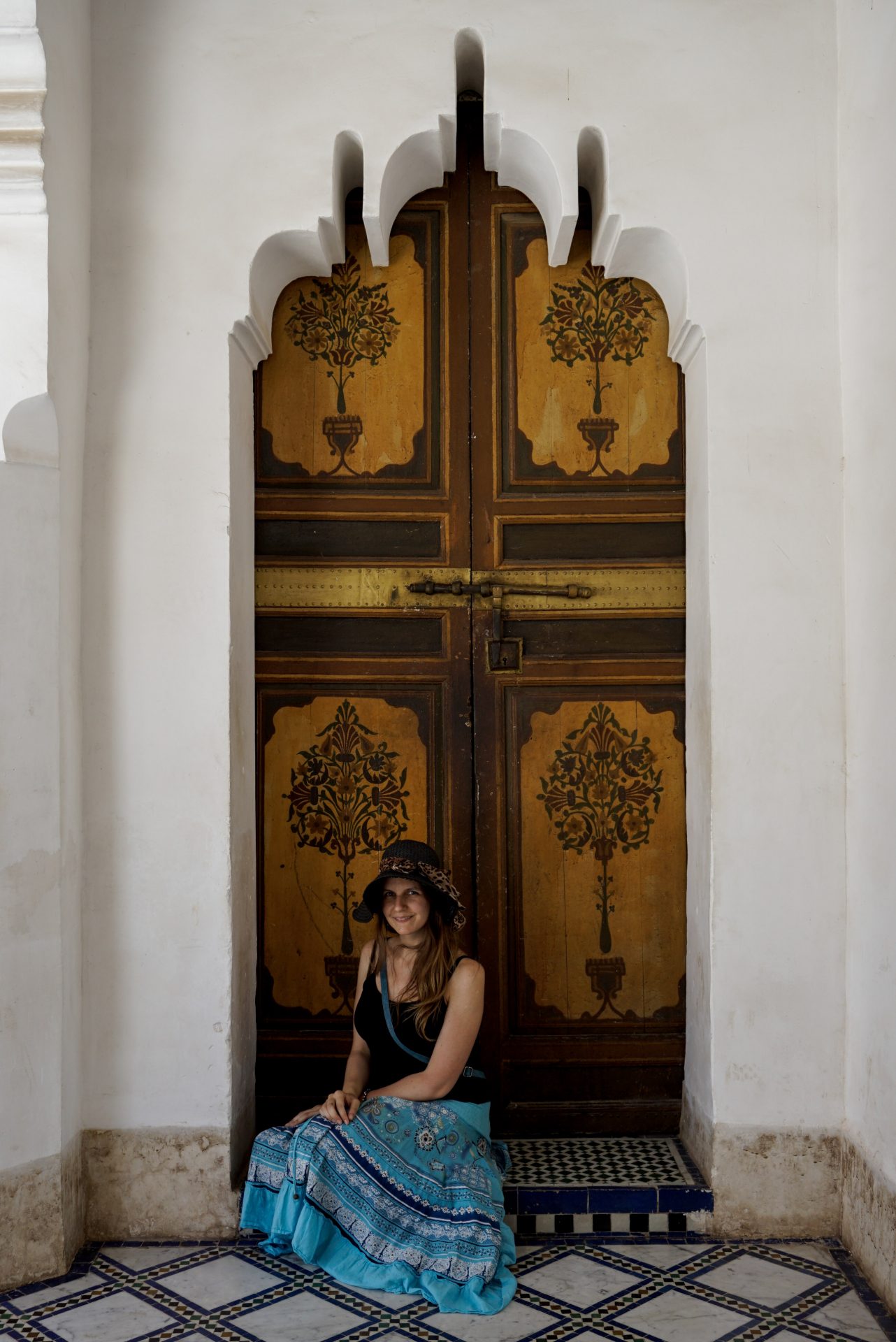
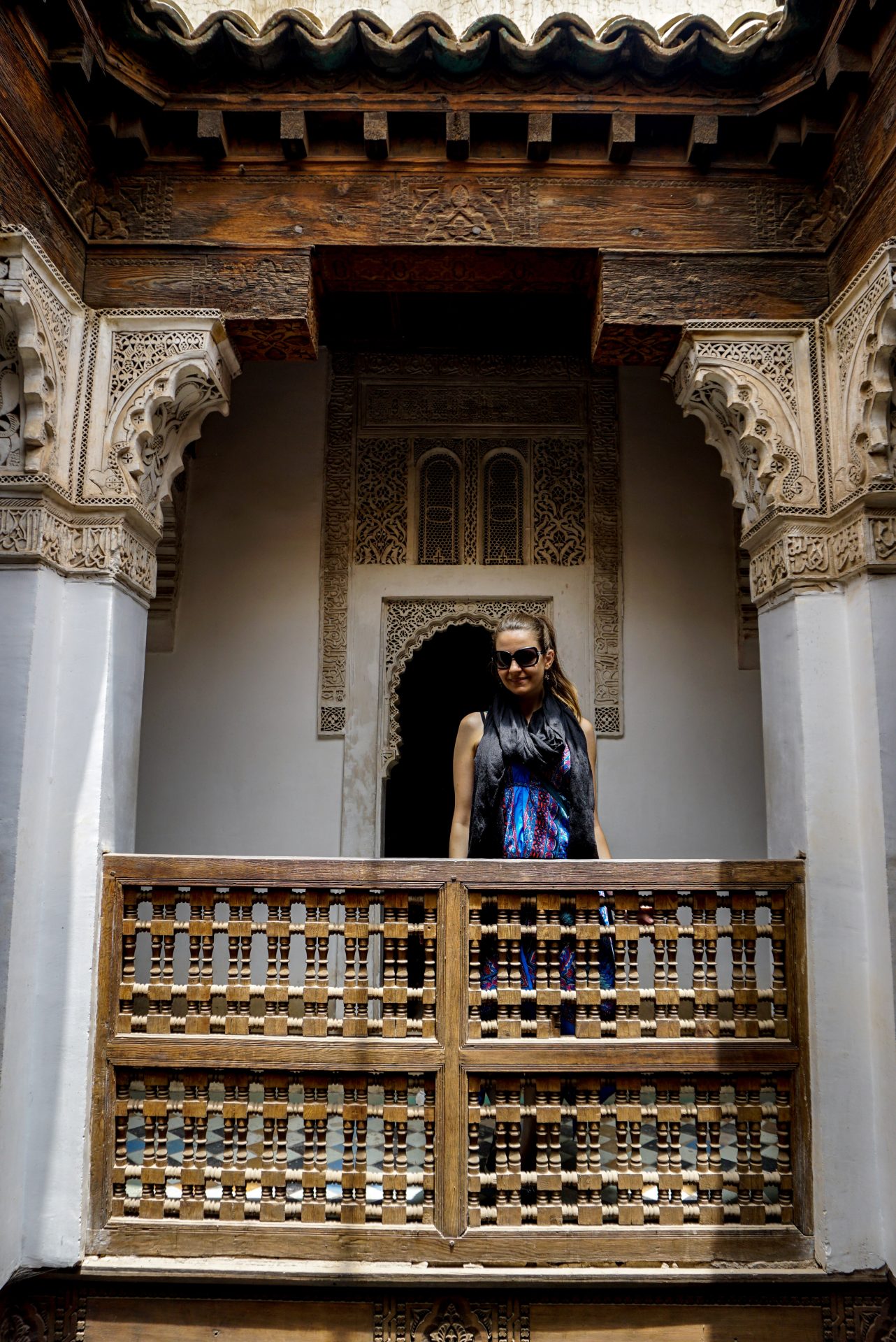
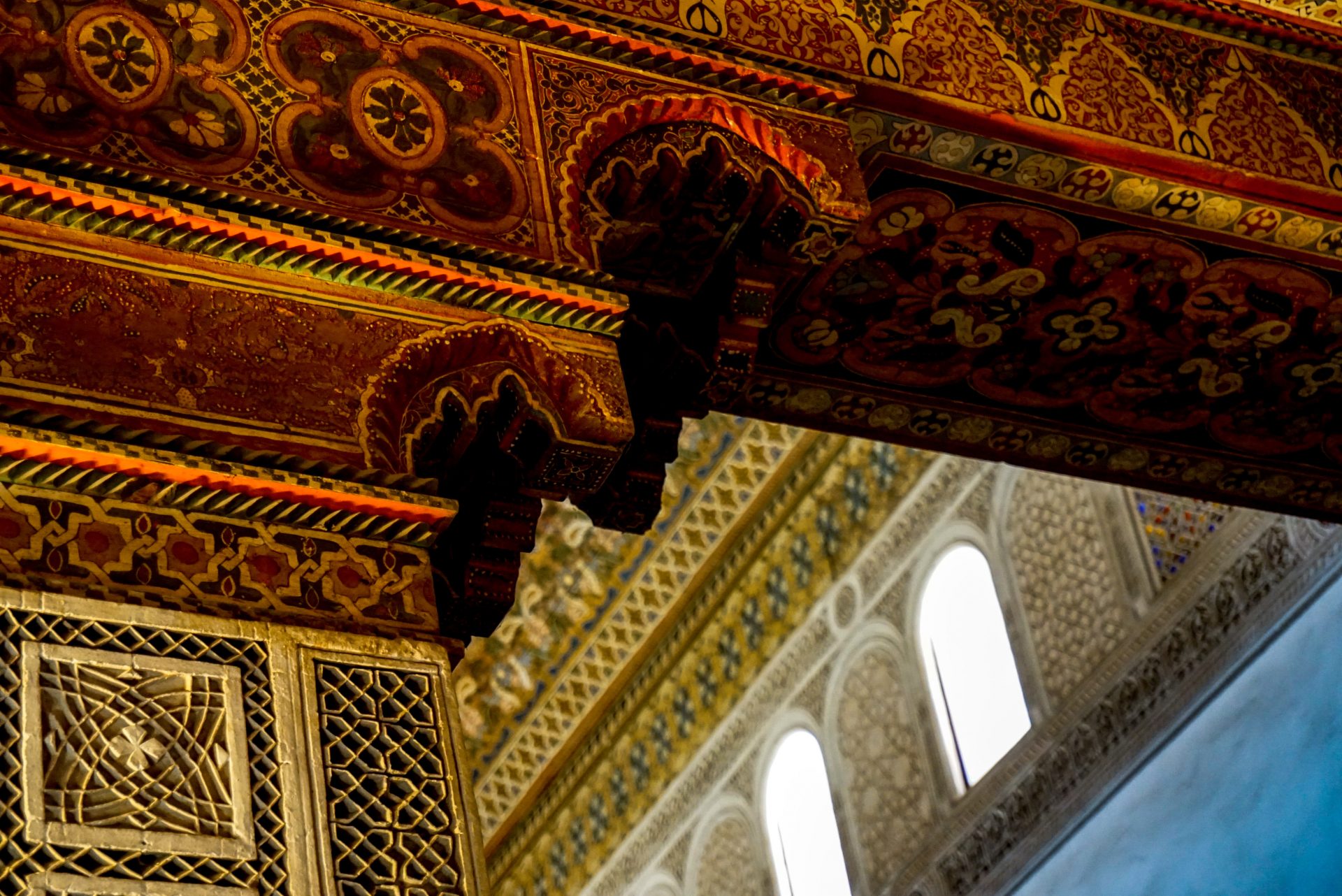
There were no magic carpets, not even one (and trust me, I looked!). But there was the amazing Ben Youssef Madrasa. It was founded in the 14th century as a Quranic college, reconstructed in the mid 1500’s, and turned into a museum in 1960. On its entry there’s an inscription that reads “You who enter my door, may your highest hopes be exceeded”. This welcomed its students, and fully applies today to its visitors. Because, really, expectations are exceeded.
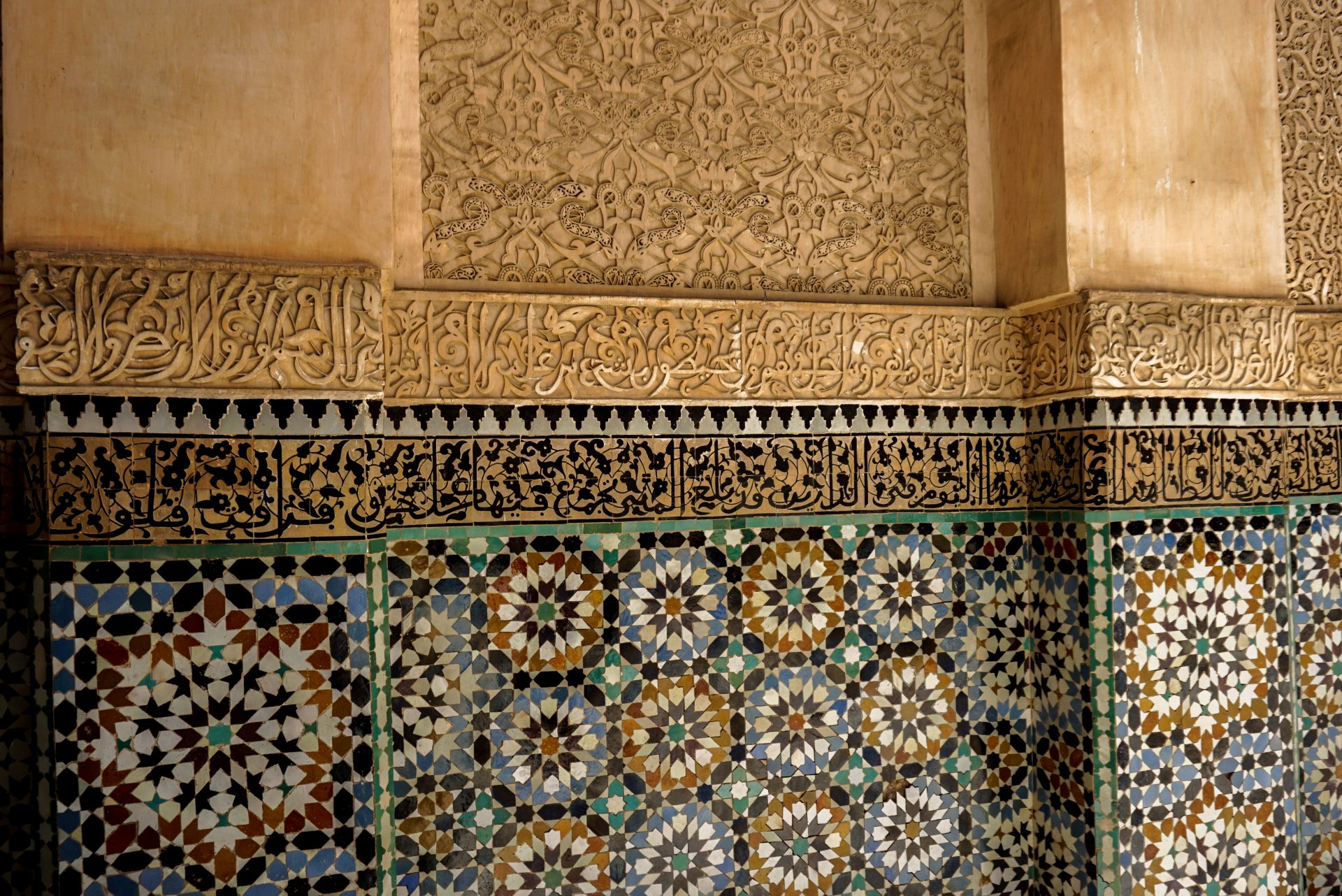
The madrasa was not just a place of learning but also a center of spiritual growth. At its peak this Islamic college housed up to 900 students —setting itself as the largest in Northern Africa. Its stunning courtyard, adorned with intricate zellij tilework, carved cedar wood, and stucco, reflects the pinnacle of Moorish design. Walking through its ancient halls, you can almost hear the whispers of scholars who once debated theology and philosophy within these walls.
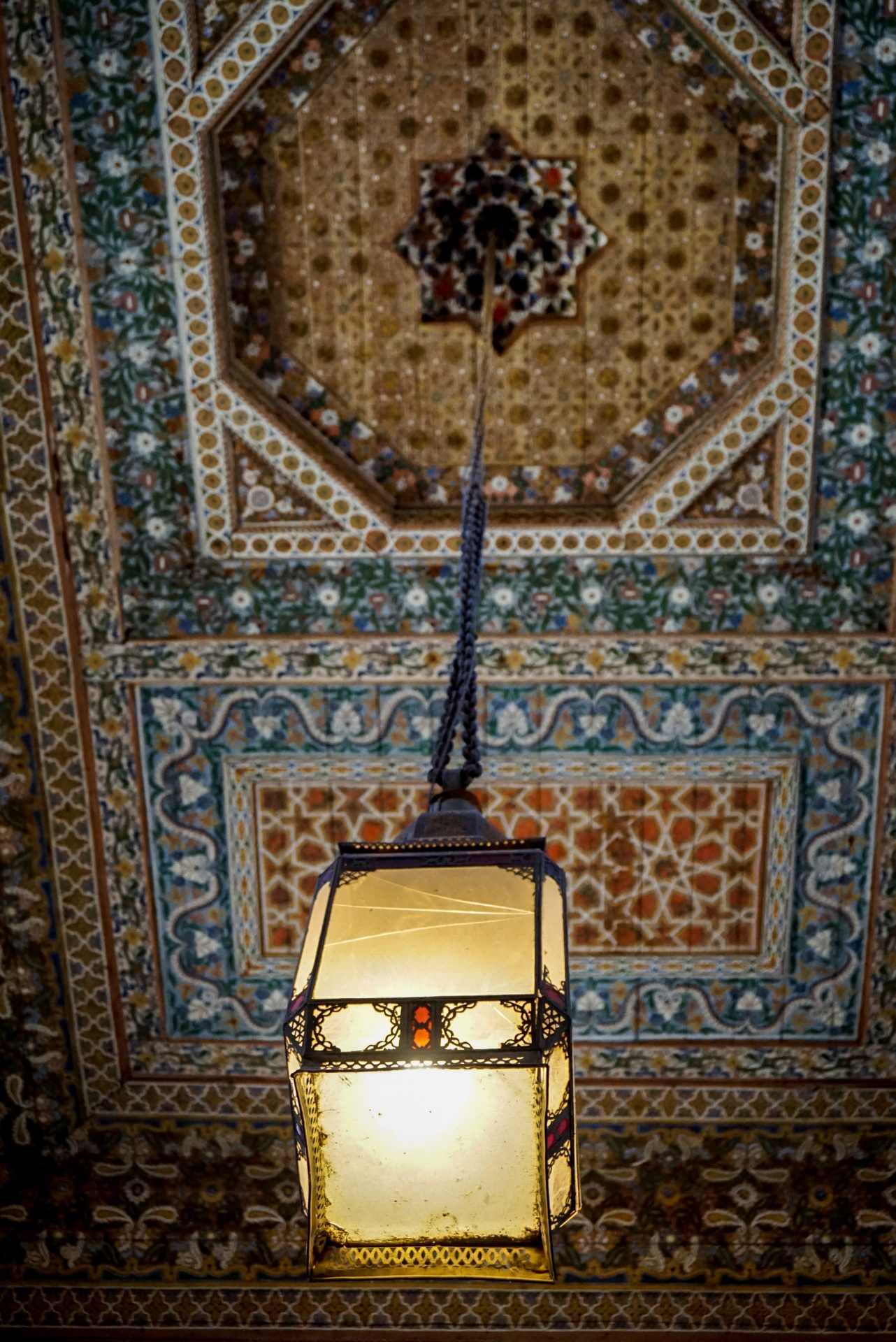
The Palais Bahia was another beauty. The “Palace of the Brilliant” is a masterpiece of Moroccan architecture. The amount of details left me speechless. Its, without a doubt, one of Marrakesh’s most opulent and fascinating landmark, embodying the splendor and intricate artistry of Moroccan architecture. Built in the late 19th century by Si Moussa, the Grand Vizier of the Sultan, and later expanded by his son, Bou Ahmed, the palace was designed to be a symbol of power and prestige.
Every nook of the palace reflects the finest craftsmanship, from the intricate tilework to the stunning ceilings, and the tranquil riads filled with the scent of orange blossoms. What makes the Palais Bahia particularly intriguing is its design, which was intended to house the Vizier’s harem, and thus, the layout is a maze of private rooms and hidden courtyards, creating a sense of mystery and grandeur. Today, wandering through some of its 160 rooms offers a glimpse into the opulent lifestyle of Morocco’s elite in the 19th century, and the palace stands as a beautiful reminder of Marrakesh’s rich cultural heritage. Go to its official site for the latest info about opening times and admission fees.
Another architectural wonder are the Saadian Tombs. They’re located in Marrakesh’s Kasbah district, and date back to the late 16th century. Rediscovered in 1917, they house the remains of over 60 members of the Saadian dynasty, including Sultan Ahmed al-Mansour. The tombs are known for their stunning architecture, featuring intricate marble, vibrant mosaics, and beautifully carved cedar wood. Set in a peaceful garden, the site consists of two mausoleums and several chambers, offering visitors a glimpse into Morocco’s sumptuous past and the craftsmanship of the Saadian era.
El Badi Palace, once a symbol of grandeur built by Sultan Ahmed al-Mansour in the late 16th century, now stands in majestic ruins. Originally adorned with gold, marble, and intricate zellij, the palace reflected the sultan’s wealth and power. Today, visitors can explore its vast courtyards, towering walls, and underground passages. The palace offers incredible views of Marrakesh from its rooftop, and during spring, the sunken orange gardens bloom, adding a touch of life to the historic site.
Medina: Koutoubia Mosque and Djemaa el-Fna square
In Morocco and other countries in the Maghreb, the historic, walled part of a city is called Medina. These Old Towns are characterized by narrow, winding streets, bustling souks (markets), and traditional architecture. These areas are typically pedestrian-only, filled with a maze of alleyways where shops, homes, mosques, and palaces are tightly packed together. Medinas are vibrant centers of commerce and culture, offering a glimpse into the daily life and rich history of Morocco. Each medina has its own unique charm, reflecting the local heritage and traditions.
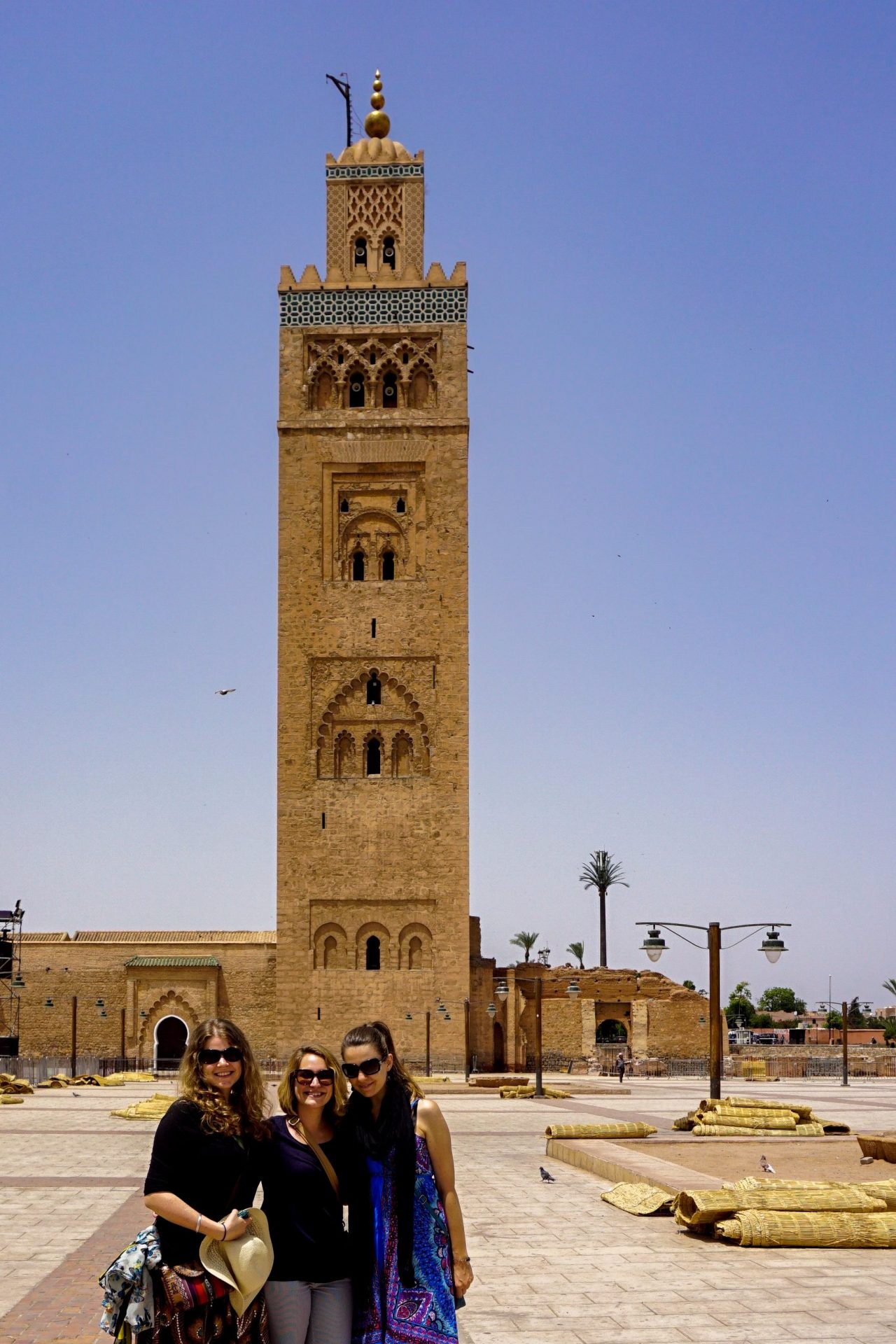
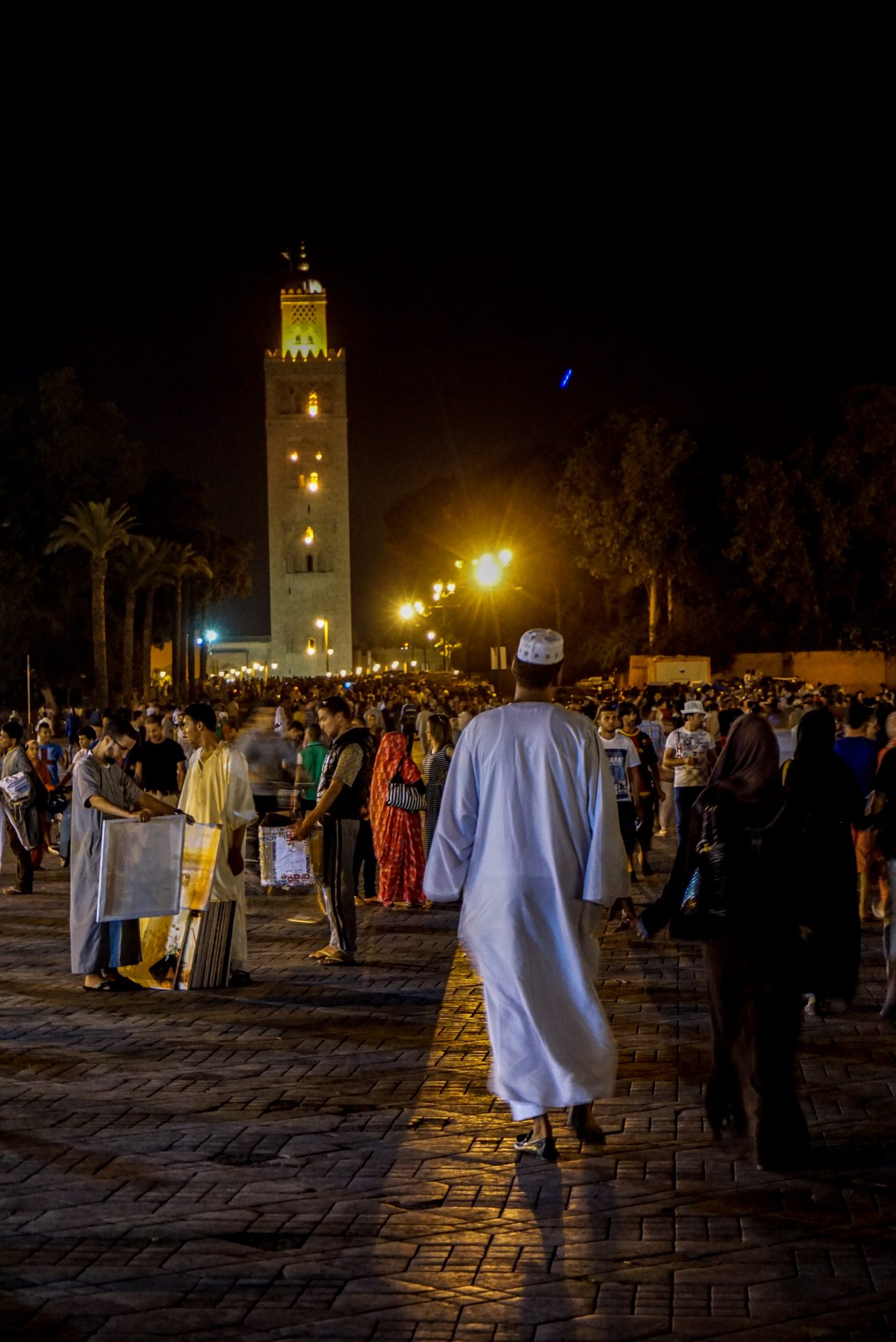
Marrakesh’s Medina is, undoubtedly, the heart of the city, yet its spiritual core is the Koutoubia mosque, the largest one in town, and a trend-setter for buildings in Spain and Rabat. Its impressive 77-meter (253 feet) minaret has guided travelers for hundreds of years. Built in the 12th century during the reign of the Almohad Caliphate, the mosque’s name, “Koutoubia” is derived from the Arabic word for “booksellers”, as it was originally surrounded by a bustling market of manuscript vendors. The mosque’s architecture is a masterpiece of Almohad design, featuring a blend of simplicity and grandeur, with its minaret adorned with intricate geometric patterns and topped with four copper orbs that gleam in the sunlight. Although non-Muslims are not permitted to enter the mosque, its exterior alone is awe-inspiring, especially when lit up at night, casting a golden glow across the city.
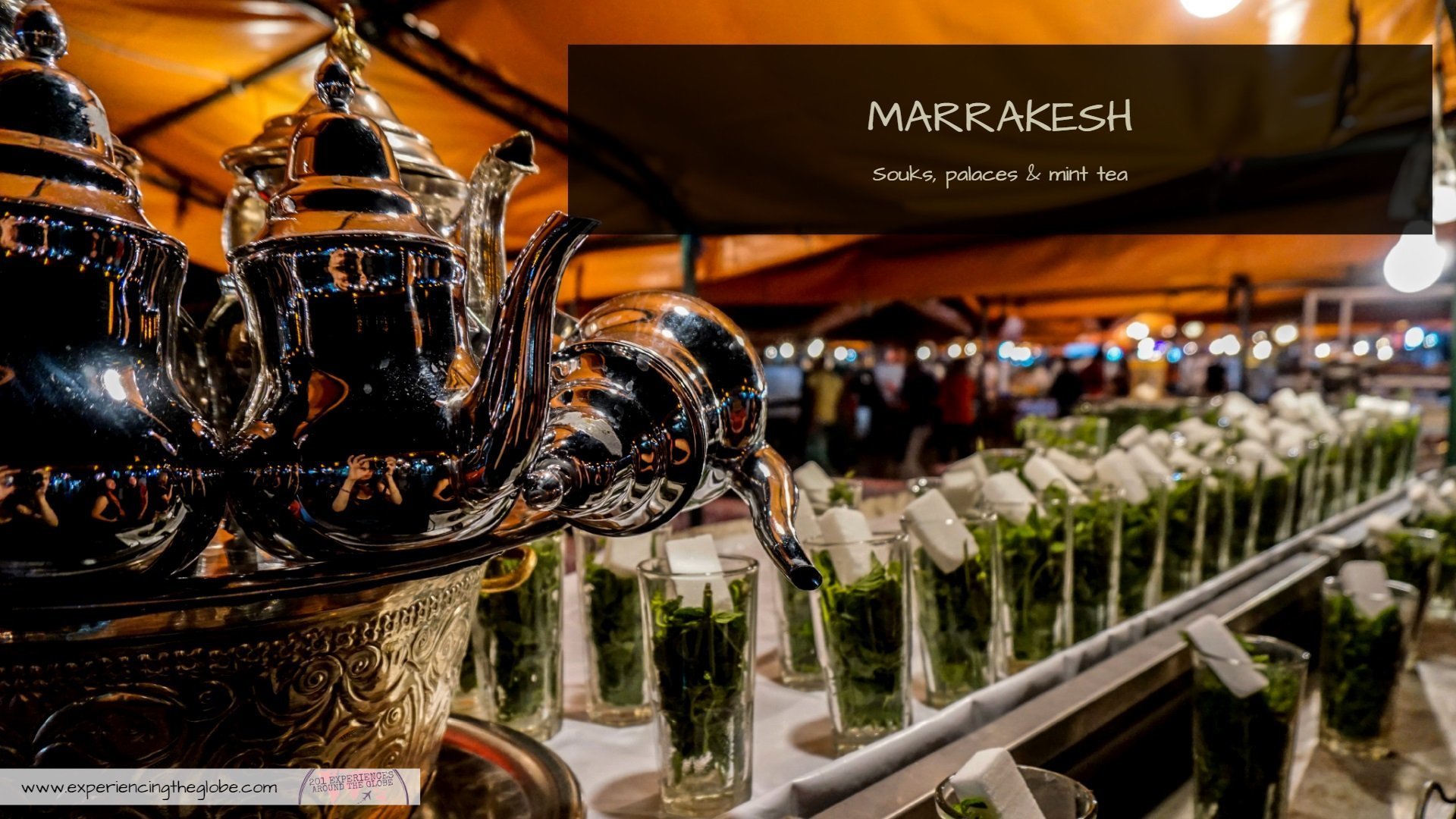
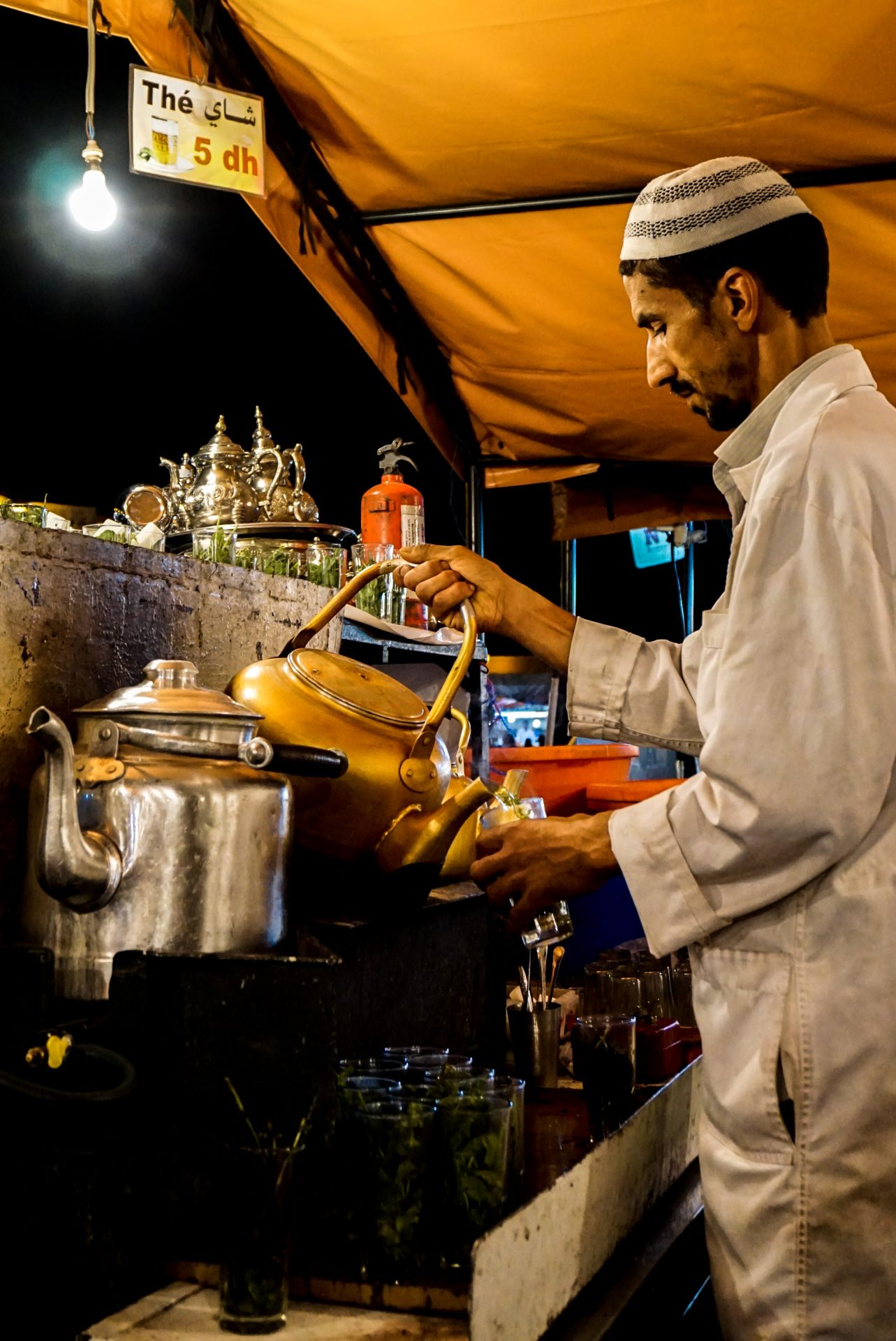
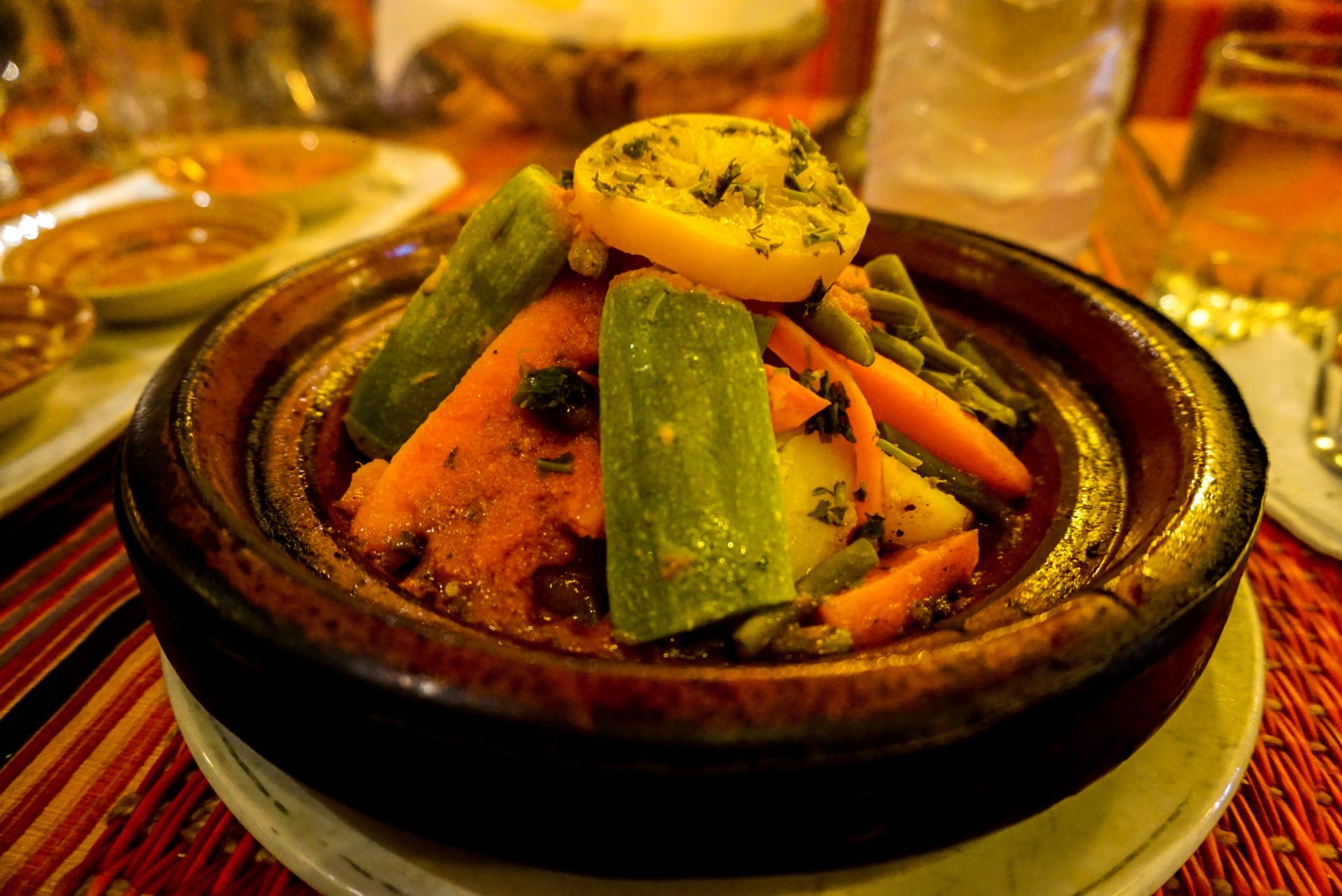
Now, for a sensory overload, the city will welcome you to Djemaa el-Fna, the main square of the Old Town, especially in the evenings, when it transforms from a quiet plaza to a vibrant living theater of Moroccan culture. By day, the square is filled with vendors in their colorful traditional attires, and henna artists offering intricate designs. As the sun begins to set, Djemaa el-Fna truly comes to life, with an array of food stalls, filling the air with mouthwatering aromas. Get a perfect cup (well, glass) of mint tea, and visit any of the dozens of restaurants around to try one of Morocco’s specialties, tagine, a dish consisting of slow-cooked stew named after the earthenware pot in which it’s cooked. A paradise for vegetarians! You can also try couscous, pastilla, harira and zaalouk.
The square is also home to an eclectic mix of performers —snake charmers, acrobats, storytellers, and musicians— who captivate both locals and tourists alike. Djemaa el-Fna has been a UNESCO Masterpiece of the Oral and Intangible Heritage of Humanity since 2001, recognized for its role in preserving Moroccan cultural traditions.
If you’re a bit concerned about visiting alone after dark, I can recommend this night street food tour.
Pro tip: always have a first aid kit with you while traveling, and make sure to include Imodium capsules in it. I’m a fan of street food, but you never know how your stomach will handle it. Better to be safe than sorry! : )
The mighty Souks (plus tips for first-time visitors)
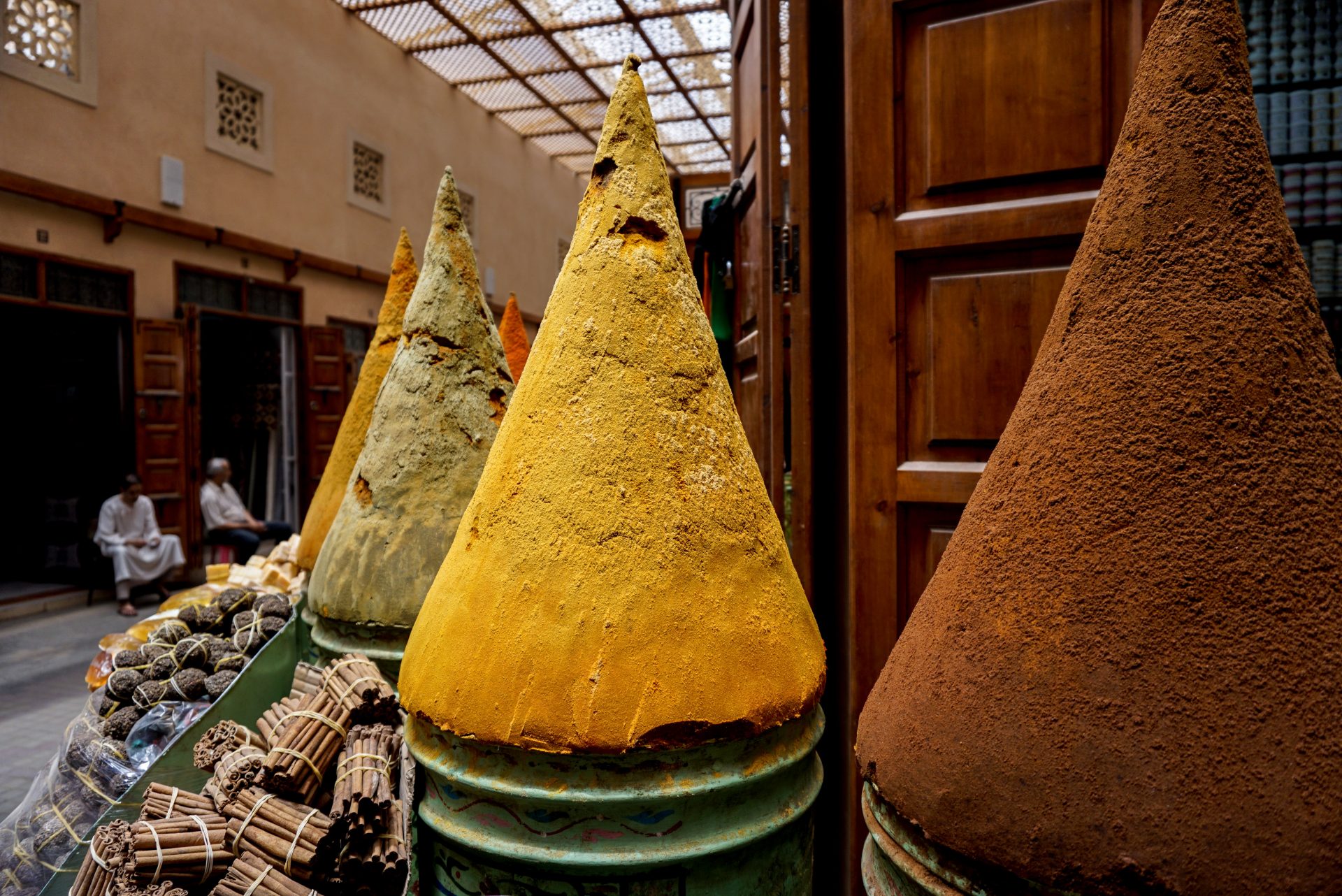
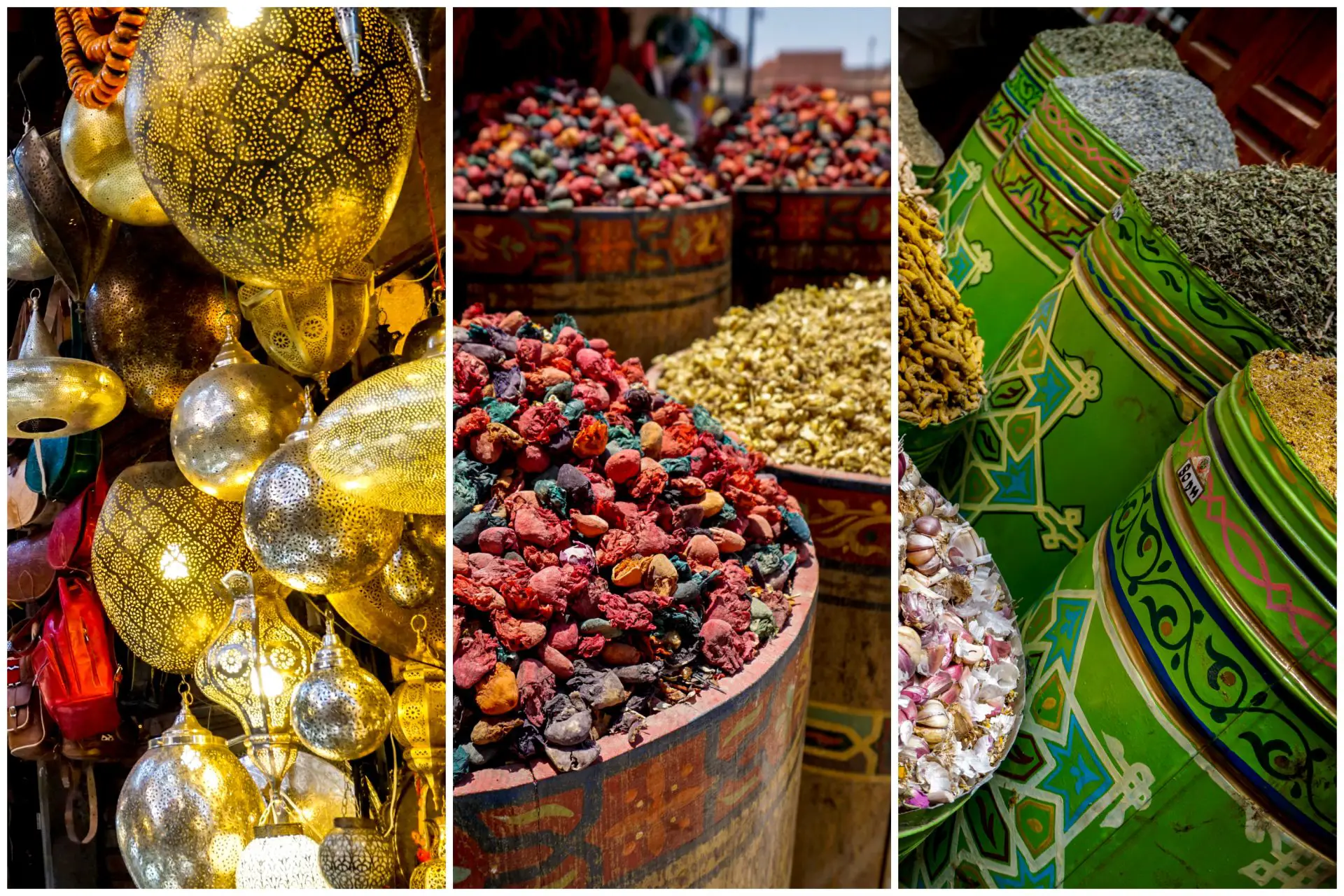
Life in the city happens in its souks, the markets where you can find everything, from spices, to gold, to silk, to lamps, to the most incredible argan oil.
The souks of Marrakesh are a labyrinth of narrow alleyways, bursting with life, color, and the scent of spices that fill the air. As a first-timer, this vibrant chaos can be both exhilarating and overwhelming. My advice? Embrace the disorientation —getting lost is part of the experience. Bargain confidently but respectfully. Haggling is an art form here, and vendors expect it. Start by offering half of the initial price and work your way up. Also, try to visit early in the morning or later in the evening when the crowds thin out, and you can soak in the atmosphere without being shoved around. Remember, the best finds often come from the most unexpected corners of the market, so let your curiosity lead the way.
Like any major tourist destination, Marrakesh has its share of scams, and it’s important to stay vigilant. One of the most common tricks involves friendly locals offering unsolicited directions or advice, only to demand money afterward. While most people you’ll meet are genuinely kind, it’s best to politely decline such offers. Another classic is the “henna artist” who grabs your hand and starts applying a design before you can say no, then charges you exorbitantly for it. Politely but firmly say no to avoid these situations. And, as in any busy city, keep an eye on your belongings, especially in crowded areas. Trust your instincts —if something feels off, it probably is.
Marrakesh is a city of contrasts, where the ancient and the modern collide in the most fascinating ways. As you stroll through the Medina, you’ll see women in traditional djellabas walking alongside others in designer jeans, or donkey carts jostling for space with luxury cars. This blend of old and new is what gives Marrakesh its unique charm. However, it also poses a challenge for the city, as rapid modernization sometimes clashes with its deeply rooted traditions. As a visitor, it’s essential to respect the local customs —dress modestly, ask for permission before taking photos of people, and be mindful of the conservative culture. At the same time, appreciate the city’s evolution. The swanky rooftop bars and contemporary art galleries are just as much a part of Marrakesh’s identity as its historic palaces and mosques. Embrace both sides of the city to get a fuller, richer account.
I can also suggest to stay in a riad in the Medina to have a more immersive experience, and to make you’re explorations easier. For a splurge go for Riad Palais Sebban or Riad L’Etoile D’Orient. For mid-range, you can’t go wrong with Riad Palais Des Princesses. For budget-friendly, either Riad Mazaj or Riad Ta’achchaqa. And Hostel BE 20 for backpackers.
Majorelle garden
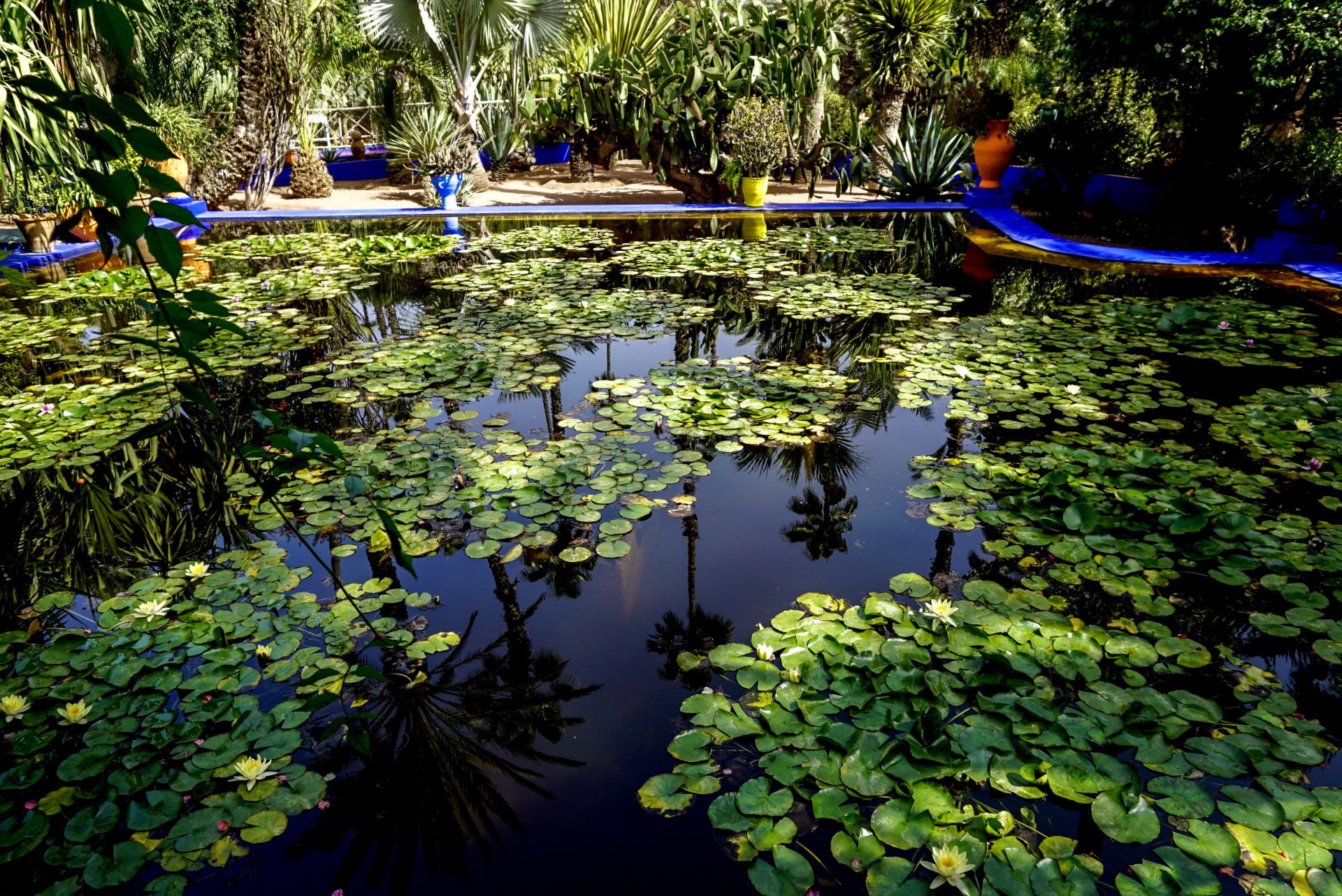
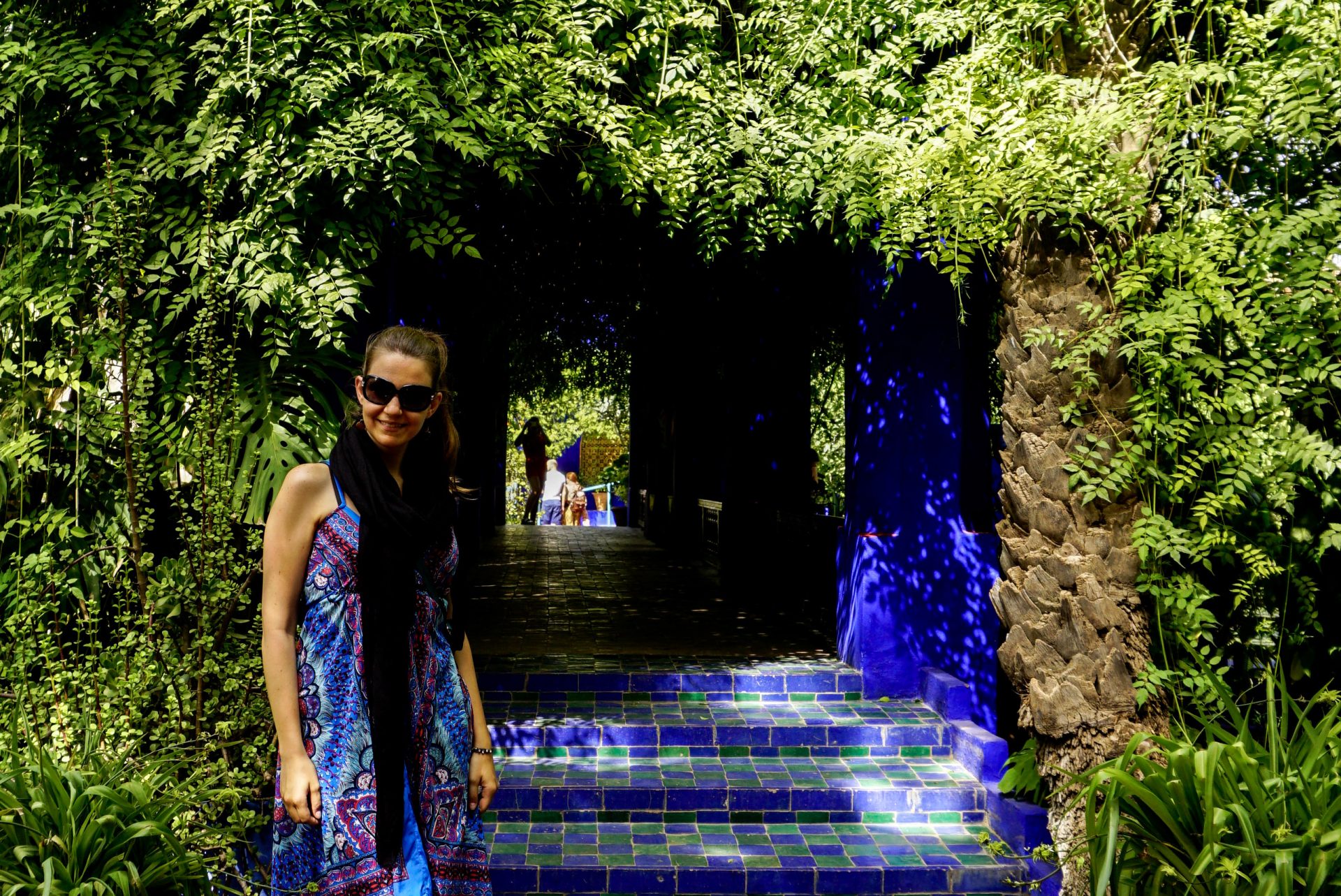
The last main stop in town should be the Jardin Majorelle, a two and half acre oasis in the middle of the desert. The park was named after the French Orientalist artist Jacques Majorelle, who created it in the 1920’s. After his death, the garden fell into disrepair until it was purchased and lovingly restored by fashion designers Yves Saint-Laurent and Pierre Bergé in the 1980’s. Today you can find here the Islamic Art museum, the Berber museum and the Yves Saint Laurent museum. It blends art, nature, and history into a serene escape from the city’s hustle.
The garden is famous for its striking cobalt blue buildings, known as “Majorelle blue”, which pop vividly against the lush greenery. It’s a botanical masterpiece, housing an impressive collection of exotic plants, including cacti, palms, and bamboo, all meticulously arranged around tranquil water features. Whether you’re an art lover, a history enthusiast, or simply seeking a moment of peace, the Majorelle Garden offers a captivating blend of color, culture, and calm. Go to its official site for the latest info about opening times and admission fees.
Conclusions and where to go next
So, after seeing the good, the bad and the ugly, was it worth a spot on my bucket list?
Yes, yes, yes! The city is overwhelming, but if you’re respectful to the local culture and traditions (as you should be everywhere you go), your experience will be great. The city is magical once you overcome the initial shock. It actually ended up being an amazing girls trip destination! Dress appropriately. Feel free to get lost while exploring. Learn the basic “la, shukran” (Arabic for “no, thank you”). And don’t be afraid to drink the tea and eat the local food.
And keep exploring the country! On this trip we also visited Essaouira for a few days of relaxing beach time, but there’s so much more to explore! If you have limited time, consider using Marrakesh as a base and book a few day trips. My recommendations would be, if you’re into a little adventure, a lavish hot air balloon flight over the Atlas Mountains, a hike to the Ouzoud Waterfalls, or a desert quad bike excursion with dinner and traditional live music. Now, if you want to quickly explore other cities, you can get a day tour to Essaouira or Casablanca. If you have a bit more time, book a tour like this one to spend a few nights under the stars in a traditional Berber desert camp over the vast dunes of Erg Chebbi, or a tour like this one that will take you across the Atlas Mountains to Fez and to the blue city of Chefchaouen.
FAQ / AT A GLANCE
Splurge: Riad Palais Sebban or Riad L’Etoile D’Orient; mid-range: Riad Palais Des Princesses; budget: Riad Mazaj or Riad Ta’achchaqa; backpackers: Hostel BE 20.
Although it’s a year-round destination, the best time to visit is either during spring (March–May) or autumn (September–November).
At least 2-3 days for the city, but you can stay for about a week and use Marrakesh as a base to explore the area doing day-trips.
Most of your time should be spent inside the Medina. Get lost in the souks during the day and around Djemaa el-Fna square in the evening. Visit Ben Youssef Madrasa, Palais Bahia, Koutoubia Mosque, Saadian Tombs, and El Badi Palace. And escape the chaos in the Jardin Majorelle.
A night street food tour, a hot air balloon flight over the Atlas Mountains, a hike to the Ouzoud Waterfalls, and a few nights under the stars in a traditional Berber desert camp.
There’s an airport shuttle bus to Medina (line 19) every 30 minutes (less than 5€); or you can book a private transfer (for about 10€). For backpackers, walk outside of the airport and close to the roundabout catch bus 11 to Djemaa el-Fna (for less than 1€).
you should dress modestly, at least covering your knees and shoulders. Also remember sunglasses, sunscreen and a small first aid kit.
I can recommend ‘The Voices of Marrakesh‘ by Nobel Prize-winning Elias Canetti; ‘In the Country of Others‘ by Leila Slimani; ‘A Street in Marrakech‘ by Elizabeth Warnock Fernea; ‘Islam and Democracy‘ by Fatima Mernissi; and a classic among classics: ‘The Travels of Ibn Battutah‘. Also, Lonely Planet is always a good companion –they have a pocket guide to Marrakesh and a more comprehensive guide to Morocco.
Liked it? Want to read it later? Pin it!
Enjoyed what you read? A lovely way to show appreciation is by buying me a coffee.
Your support keeps the stories, guides and geopolitical insights coming. Thank you so much!


Thank you so much CONI for visiting us , and thanks again for this rich article about our country, very inspiring keep going…
It was a pleasure to visit and to write about it. I can’t wait to go back to experience more of the country 🙂
Thank you so much for taking the time to write this blog post , i am sure lots of travelers will love the tips you gave them.
Thanks, Alessia! I hope the post will inspire some great travels ahead!
You’re welcome! Hoping it leads to some great travel inspiration.
Great post. Love that you show both sides to Marrakesh instead of only romanticizing it like many travel writers do. Can’t wait to visit!
Thank you so much, Aaron! I feel like blogs and social media have done a horrible job depicting realities, so I’m happy to jump in with a true account of the destinations I’m lucky enough to visit. There’s always something positive to highlight, but that cannot mean that we don’t have a responsibility to talk about the less pretty side of things too. Anyhow, I hope you get to visit Marrakesh soon!
Thanks so much for this art work, nice and informative. Great Job Coni
Awww, thanks so much for your kind words!
Cool guide! Thanks for the bad and the ugly. I’m tired of everyone idealizing places only to be disappointed when I manage to go. Too much instagrammable sh*t, too little reality. It’s great to be prepared, and focus on the positives. Love your approach. Thanks again!
I’m happy it was helpful! You’ll always find honest reviews around here. I’m also very tired of people showing only a small side of a place when obviously not everything can be peachy. Thanks for taking the time to write : )
Marrakech souks and historical sites are the best attractions in Africa ,because its impact cultures and history of arabs. Thanks for writing about my beautiful city.
It was a pleasure to visit Morocco and to write an honest guide about it. I’m looking forward to going back to explore some more!
Morocco is one of the best destination in the world and your post is super objective! I’d like that my city had only good things, but your take on it is fair. I’m happy there was so much you enjoyed. It is a magical land!
I certainty enjoyed my visit to Morocco, and I’d love to go back to explore more.
Thanks for your words, it’s hard sometimes to write the not-so-nice things, but I believe it’s necessary so other travelers are prepared. Even with “the bad and the ugly” I think people will always highlight “the good” 🙂
Marrakech is the capital of arts and tourism in Morocco ,it’s a great post .
thanks Coni for this excellent article!!!
Thanks for your words, Christine! I loved Marrakesh, and it was a pleasure to write an honest guide about it 🙂
Morocco is a top country and best land of Africa… I recommend it to explore it!!! Love how you highlighted the amazing sights, but also noted the not so great. This is how every guide should be!
The good, the bad, and the ugly seems like a good title for any destination guide 🙂 I’m really glad you enjoyed reading it, Nadine!
Firstly I wanted to thank you for your honesty about your experience in Marrakesh. Very often travel bloggers portray only the good side of travels, it’s important to see the whole picture. I have a lot of travel experience but I’ve resisted Morocco until now – I plan to visit this Autumn, so I’m saving this for then. Thank you!
You’re most welcome! Honesty is the best policy, and one of the reasons my readers trust me. Let me know if you have any questions about Morocco, and enjoy the trip! Safe travels! ❤️✈️
Love all your pictures from Marocco! I would love to visit!😍
Thank you, Laura! Morocco is so interesting, I hope you get to go soon <3
Wonderful blog. Signed up!
Thanks so much! I’m really happy to see you’re enjoying my content 🙂
I’m going to finally visit Morocco this November, and I’m SO excited. Just as you, I’ve had this dream of what Morocco will be like, and after seeing tons of pictures (and having a step sister that is half Moroccan, jealous much?) I can’t wait to finally visit. 😀
I’m sure you’ll love it! Morocco is amazing! Please let me know how much you enjoyed the trip 🙂
Wow! It’s on the list of my travel dreams to visit Morocco and specially Marrakesh. From the spices to the tea, the little markets, you showed in your article that there is so much to discover! Congratulations for such a nice post about Marrakesh.
Thanks so much! I’m happy you’re staying only with the positive things! I’ll write about other places in Morocco and you’ll see there’s even more beauty to experience. Hope it goes up on your list, it’s completely worth it! <3