

This article may contain affiliate or compensated links, and may feature complimentary or discounted experiences. All opinions are my own. Please read the Privacy Policy & Disclaimer for more info.
Most people think of Cusco as the land of the Incas –Machu Picchu, the Sacred Valley, and little else. But what if I told you that Cusco is also one of Peru’s top adventure hubs? Picture yourself ziplining across canyons, rappelling down rock walls, pedaling a sky bike suspended over the valley, hiking above 5,000 meters, or rafting wild rivers. Whether you’re into high-altitude trekking, jungle trails, or adrenaline-pumping activities, Cusco has it all –and then some. These are the top outdoor adventures in Cusco you won’t want to miss.
Disclaimer: I had the chance to partner with adventure operators during my time in Cusco. While some of the experiences were hosted, all opinions are entirely my own –I only recommend activities I truly loved.
Top Outdoor Adventures in Cusco
I spent 2 weeks in Cusco and around, with not even a minute to get bored! Actually, I feel like I needed way more time to fully explore the region. I filled my days with adventure, thinking I was overreaching, but I had the time of my life trekking through mountain passes, climbing vertical cliff sides and rappelling them down, biking in a slackline, and hiking in the jungle. Here are the best of the best activities for every outdoorsy interest you might have, and alternatives to tailor to your schedule and fitness level. Happy adventuring!
Epic Treks from Cusco
Multi-day hikes that combine cultural immersion, high-altitude challenges and breathtaking views.
The most scenic multi-day hike: Salkantay Trek
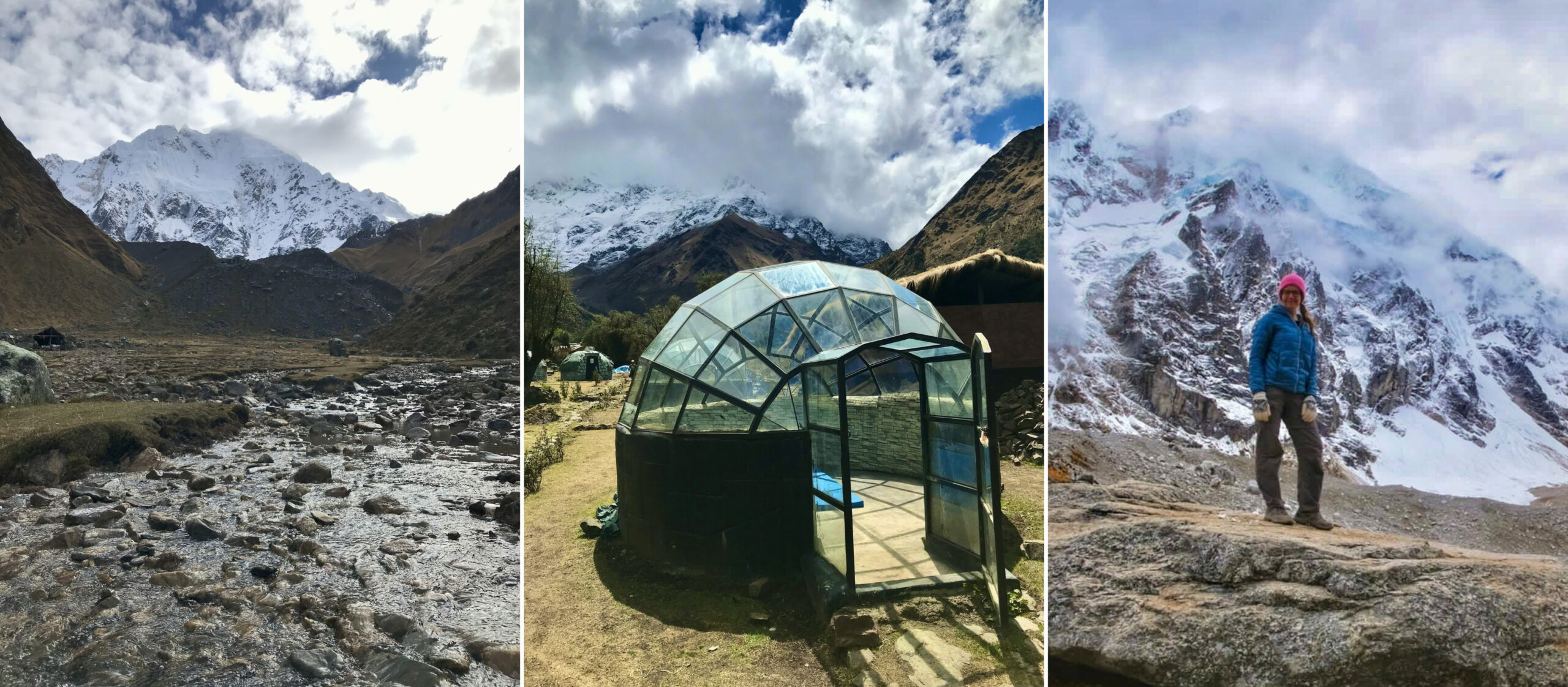
Five days of trekking, going through a 4,600-meter (15,100 ft) mountain pass, stopping by an emerald glacier lake, camping under the stars, and crossing the high jungle to reach one of the Seven Wonders of the World: Machu Picchu. Do I need to say more? This multi-day trek is a dream of a hike. Each day unfolds into a new landscape, a different altitude, and a deeper connection with the natural and cultural richness of the Andes.
Day 1: Humantay Lake and the first glimpse of Salkantay Mountain
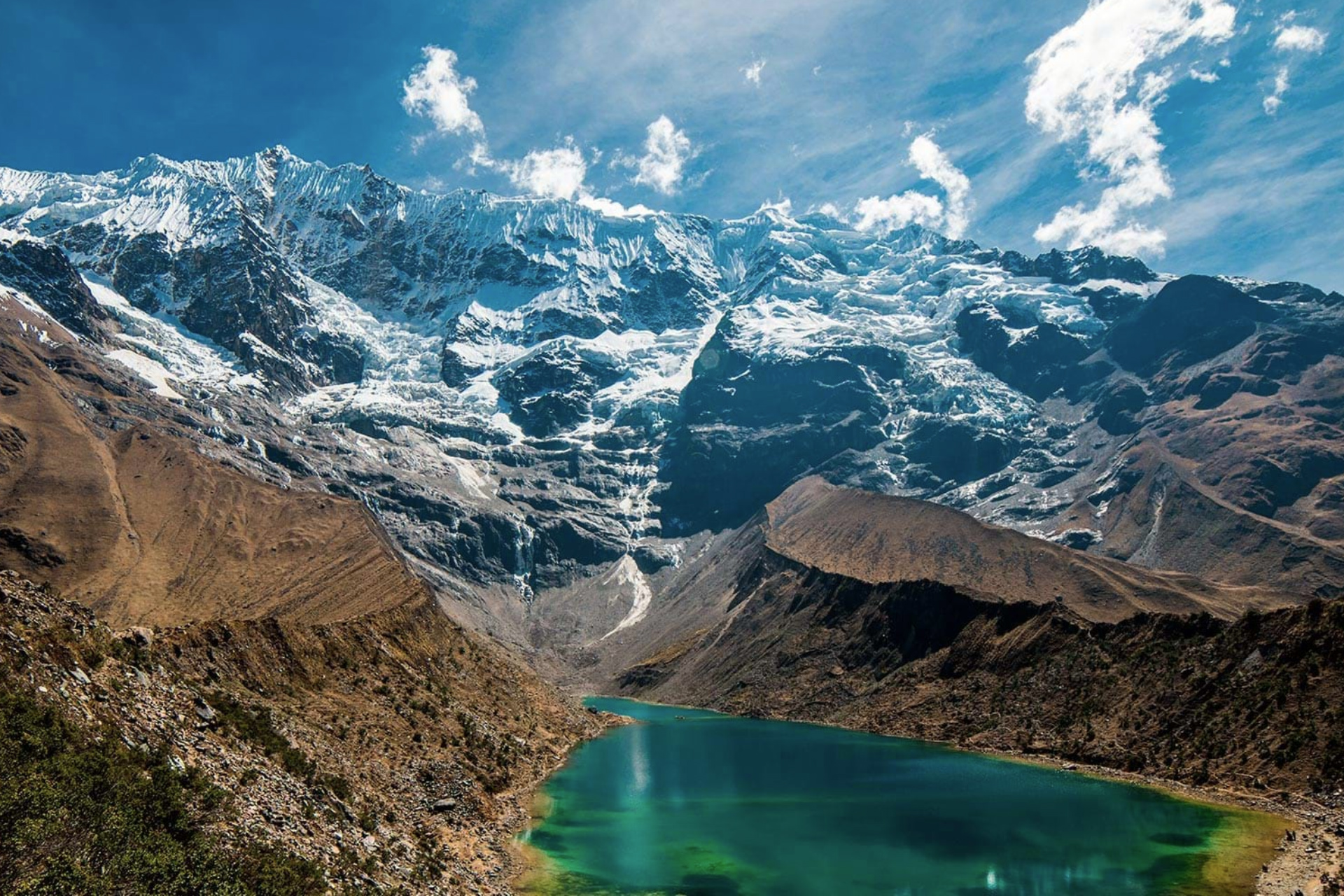
The journey begins with a very early morning departure from Cusco and a drive into the mountains, where the air grows crisp and the peaks start to pierce the clouds. After breakfast, you hike up to Laguna Humantay, a stunning glacial lake nestled at the base of the mountain that shares its name. Its deep turquoise water is a surreal reward after a short(ish) but steep ascent. Then, you descend to the first campsite at Soraypampa, where you sleep in a transparent dome beneath a sky incredibly full of stars –the Milky Way arching over the Salkantay massif.
Day 2: The Salkantay Pass –the hardest, highest and most unforgettable
This is the most breathtaking day, literally and figuratively. You climb to the Salkantay Pass at 4,630 meters (15,190 ft), where cold winds whip through the jagged peaks. The landscape here is raw and wild –snow, rock, silence. After a short offering of coca leaves to the mountain, and a well-deserved rest, you descend dramatically into the cloud forest, watching the ecosystem change with every step. The night is spent in Chaullay or Collpapampa, at a much lower and warmer elevation, surrounded by thick green vegetation.
Day 3: Entering the high jungle
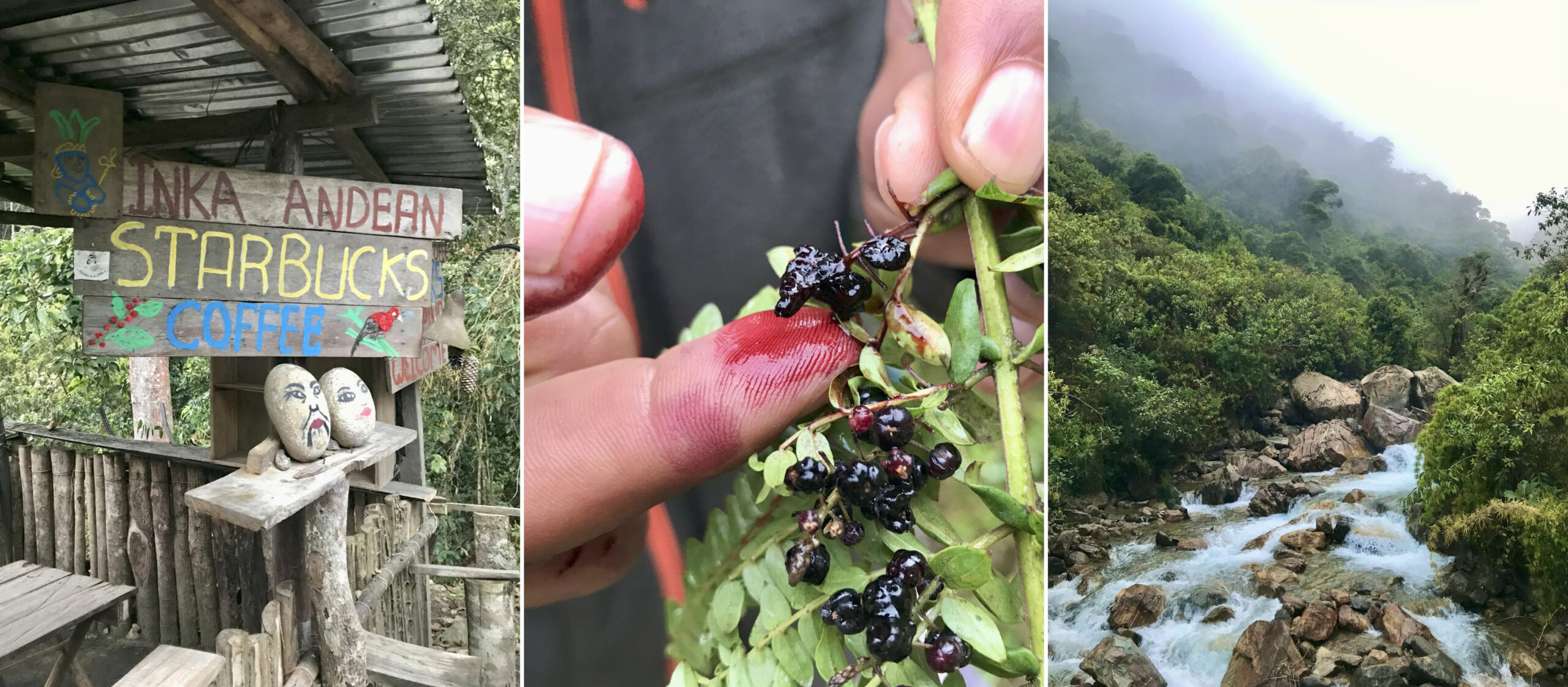
Now deep into the upper Amazon basin, you trek through the high jungle along narrow paths, crossing rivers, and passing waterfalls, coffee plantations, and banana groves. It’s warm, fragrant and alive with birdsong. If you’re lucky, you’ll spot butterflies the size of your hand and hummingbirds flitting among orchids. Some itineraries include a visit to a local organic coffee farm, where you can taste a fresh roast straight from the source. The campsite is near Lucmabamba, where the buzz of insects replaces the silence of the heights. This day covers the shortest distance of the trek, so you arrive in the early afternoon, and you’re offered the option of going to a nearby hot spring –a fantastic way to help your body recover for the final push.
Day 4: A hike on the Inca trail and the first view of Machu Picchu
This day blends jungle trekking with ancient history. You hike a restored section of the Inca trail up to Llactapata, a lesser-known archaeological site that offers a jaw-dropping panoramic view of Machu Picchu from afar. It’s an emotional moment –your first glimpse of the lost city, nestled in a cradle of green peaks. Afterward, you descend to Hidroelectrica, and from there walk along the railway tracks through the jungle to Aguas Calientes, the gateway town to Machu Picchu.
Day 5: Machu Picchu –the grand finale
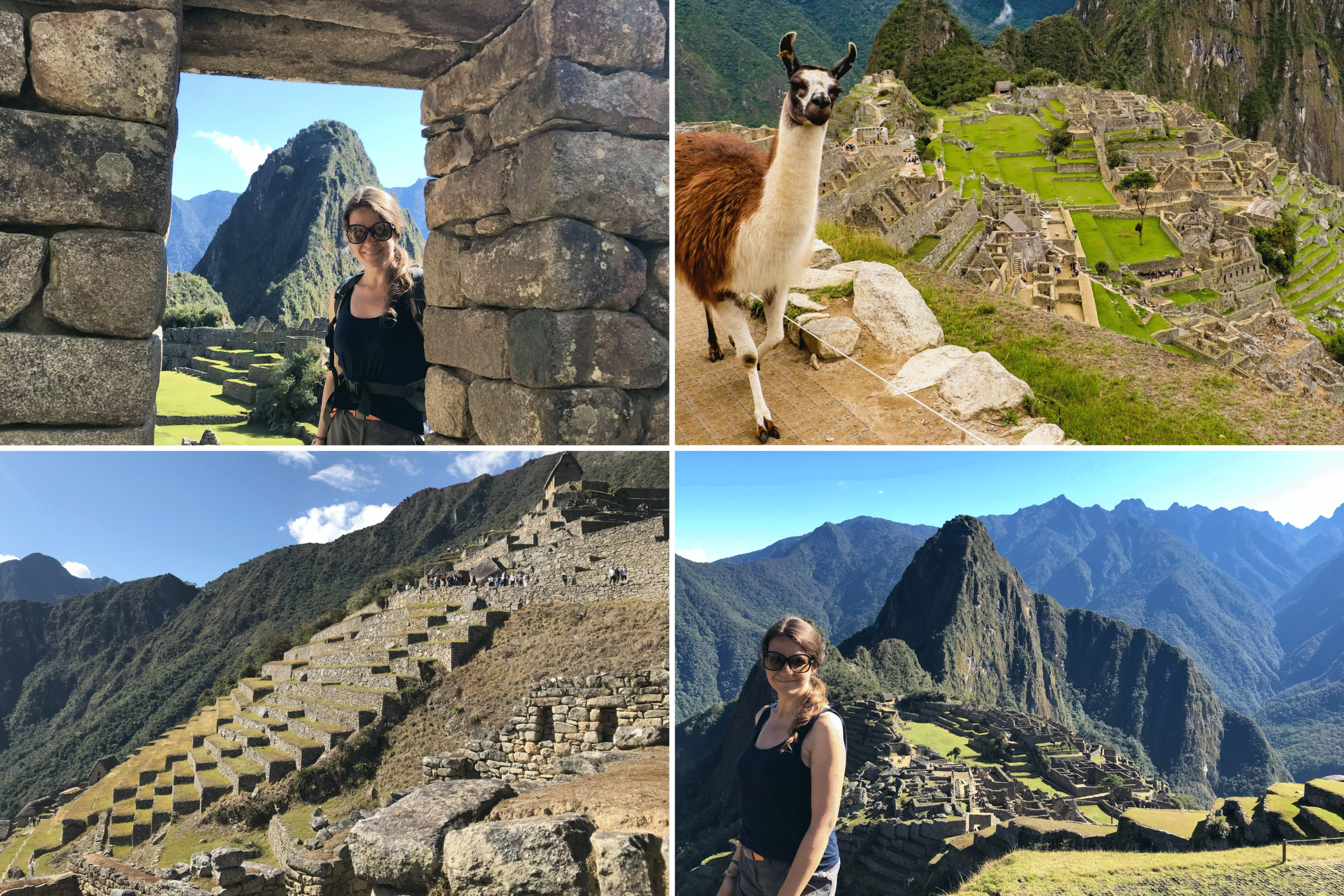
The final day is grand. Whether you hike up to the citadel before sunrise or take the bus, the moment you enter Machu Picchu is one you’ll never forget. Wandering its terraces and temples, imagining the lives that once filled this sacred place, feels like walking in a dream –absolutely worth the hype! After the visit, you return to Aguas Calientes and catch the train back to Cusco, or continue the hike to Hidroeléctrica to catch a bus –physically exhausted but emotionally full.
Difficulty: Challenging –best for moderately fit to very fit hikers. Long days (6–9 hours of trekking) with steep ascents and descents, up to 4,630 meters (15,190 ft) of altitude, so acclimatization is essential.
Best tours: you can go on a budget group tour like this one, or a mid-range option like this one. They include all meals during the trek, camping gear and mules/horses for carrying equipment, guide and cook, entrance to Machu Picchu, and return train or van to Cusco. Optional add-ons: hot springs, upgraded lodges instead of tents.
Pro tips: there is no mobile signal throughout the hike, but you can buy Wi-Fi access in some of the camps. Electricity is also not always provided, so pack a power bank.
The most iconic multi-day trek: Camino del Inca – Inca Trail to Machu Picchu
This is the one everyone dreams about –and for good reason. The Inca Trail to Machu Picchu is a journey through time. Over four days, you follow stone-paved paths laid centuries ago, walk through cloud forests and ancient tunnels, pass hidden ruins that few others get to see, and finally arrive at the Sun Gate (Inti Punku) at dawn, with Machu Picchu bathed in golden light. It’s one of the most magical ways to approach the lost city of the Incas.
Day 1: Easy start through the Sacred Valley
The trek begins at Km 82, near Ollantaytambo. It’s a gentle introduction to hiking, following the Urubamba river with sweeping valley views. You pass small Quechua villages, friendly llamas and your first archaeological site: Llactapata, nestled at the junction of green hills and Inca terraces. Camp is near Wayllabamba.
Day 2: The infamous Dead Woman’s Pass
This is the most physically demanding day. You climb steeply to Warmiwañusca, or Dead Woman’s Pass, the trail’s highest point at 4,215 meters (13,828 ft). It’s a long, lung-busting ascent followed by a sharp descent to the second campsite at Pacaymayo. But the views are absolutely worth every step. Mist-covered peaks, wild orchids, and the sense of hiking a sacred path make this day unforgettable.
Day 3: Ancient sites and cloud forest magic
Often described as the most beautiful day of the trail, this stretch is rich with archaeological wonders. You explore Runkurakay, Sayacmarca and Phuyupatamarca –each one perched on ridges with dramatic Andean backdrops. You walk through cloud forest, moss-draped trees, and stone staircases seemingly suspended in the mist. Camp is at Wiñay Wayna, a spectacular site of terraces and temples just hours from Machu Picchu.
Day 4: Sunrise at the Sun Gate
You rise before dawn to hike the final stretch. As you reach Inti Punku, the Sun Gate, you’ll catch your first glimpse of Machu Picchu in the soft light of early morning, with the first rays of sun showering the Sacred City. After visiting the citadel, you descend to Aguas Calientes and return to Cusco by train. Legs sore, heart full.
Difficulty: Moderate to challenging. Long days of trekking, big altitude changes, and many stone steps. It does require decent fitness, but keep in mind that porters carry most gear.
Best tours: there’s no such thing as a budget option for the Inca Trail, yet this alternative is more affordable, while this one is a bit more upscale.
Pro tips: The trek requires a licensed guide and a permit. These are very limited, so book 3–6 months in advance, especially for high season (May–September). The trail is closed every February for maintenance.
The best mix of adventure and culture: Inca Jungle Trek
If you’re looking for a trek that blends high-energy adventure with Inca heritage –and throws in some lush jungle and hot springs for good measure– the Inca Jungle Trail is your perfect match. This is not a traditional hike; it’s a dynamic journey that swaps long mountain walks for a multi-sport adventure through the Amazonian Andes, all leading to Machu Picchu. Think biking, rafting, zip lining, and hiking –with cozy hostels and fresh fruit juice along the way.
Day 1: Downhill mountain biking and optional whitewater rafting
Your adventure kicks off with a thrilling descent by mountain bike, starting near the Abra Málaga pass (at around 4,300m/14,100ft) and zooming down to the jungle below. The road winds through changing landscapes –from high-altitude cold to banana groves and coca fields warm– ending near Santa María. In the afternoon, you can opt for a whitewater rafting experience (class III–IV rapids), depending on season and river conditions. Your first night is spent in a warm, welcoming hostel.
Day 2: Jungle trekking and hot springs
This day offers a rich hike through the high jungle, following ancient Inca trails and narrow paths clinging to steep hillsides. You pass waterfalls, local farms, and wild fruit trees, and maybe stop for a quick coca leaf ceremony with a local family. The day ends with a well-earned soak in the Cocalmayo hot springs, where you can watch the stars emerge above the steaming pools. You stay overnight in Santa Teresa, a jungle town with good vibes and cold beer.
Day 3: Ziplining and hike to Aguas Calientes
In the morning, the adventurous can try ziplining across jungle canyons, flying between platforms strung over deep river gorges. Then you hike the last stretch toward Hidroelectrica, walking beside train tracks and dense vegetation until reaching Aguas Calientes, the town at the base of Machu Picchu. It’s the most urban stop of the route, a chance to rest, recharge, and get excited for the big day ahead.
Day 4: Machu Picchu
Like the other treks, the Jungle Trail ends with an early start and a sunrise arrival at Machu Picchu. Whether you hike up or take the bus, standing among its misty stone ruins after such an active, diverse journey makes it all the more special. After a tour of the citadel, you’ll catch the train back to Cusco.
Difficulty: Moderate. Less intense than Salkantay or Inca Trail in terms of hiking, but includes biking, rafting and ziplining. Ideal for those who want adventure without exertion, or for those who want to avoid crossing high-altitude mountain passes.
Best tours: there are shorter 3D/2N options like this one, and full 4D/3N alternatives, like this one, which include all transport, activities, accommodation, meals and Machu Picchu entry.
The most off the beaten path: Ausangate and Choquequirao Treks
For seasoned hikers or those looking to escape the crowds, the Ausangate and Choquequirao treks are epic journeys into some of the wildest, most breathtaking corners of the Cusco region. These aren’t casual strolls –they’re demanding treks that reward you with silence, surreal landscapes, and an intimate connection to the Andes that few travelers experience.
Ausangate Trek: a high-altitude pilgrimage around a sacred mountain
The Ausangate Trek circles the glacier-capped Ausangate mountain (6,384m/20,945ft), one of the most revered peaks in Andean cosmology. This trek is all about nature in its rawest form: multicolored valleys, turquoise lakes, steaming hot springs, grazing alpacas, and massive, looming glaciers.
There are no Inca ruins here –just the Andes in all their glory. The trail reaches dizzying altitudes (over 5,000 meters more than once), which makes it one of the most challenging treks in Peru. You’ll likely walk for hours without seeing another soul.
Some versions include a side hike to Rainbow Mountain, but it’s even better to experience it from less crowded perspectives within the trek itself.
Duration: up to 6 days.
Difficulty: Very challenging (high altitude, cold nights, remote), best for experienced trekkers and mountain lovers seeking solitude.
Best tours: There are plenty of alternatives to tackle Ausangate, depending on how much time and how much mountaineering experience you have. You can go for a 3D/2N tour, a 4-day trek, or a 6-day climbing adventure. If you only have a day, you can do a 7 Lakes tour.
Choquequirao Trek: the lost sister of Machu Picchu
Often called Machu Picchu’s sacred sister, Choquequirao is one of the most spectacular and least visited Inca sites in Peru. Not because it’s unimpressive –far from it– but because it takes serious commitment to get there.
The trek to Choquequirao is a demanding out-and-back hike that descends into the Apurímac Canyon (one of the deepest in the world) before climbing steeply up to the ruins. The site itself is massive, mysterious, and still only partially excavated, nestled on a remote mountain ridge surrounded by cloud forest and snow peaks.
The basic version is a 4-day trek, but you can extend it to 8–9 days and continue on to Machu Picchu via the Salkantay region –an epic, world-class journey for serious hikers.
Difficulty: Challenging –long ascents and descents, often hot and humid.
Best tours: the basic options are a 4-day or a 5-day trek.

Original Adventures from Cusco
One-of-a-kind adrenaline-filled experiences in the Sacred Valley and beyond.
Sky bike: pedal across the void
What if you could ride a bike… in the sky? Suspended on a tight cable hundreds of meters above the Sacred Valley, the Sky Bike is one of the most surreal and gravity-defying adventures you can have near Cusco. It’s equal parts thrilling and meditative –legs pedaling, heart pounding, and below you, nothing but a tiny countryside far, far away.
The setup is simple but genius: two parallel steel cables stretch between rocky cliffs, forming a narrow aerial track. You climb up to the departure point –either a vertical rock face ascent on a via ferrata setup, or on a short steep trail– and hop onto a modified bicycle that glides along the lower cable, while the upper one acts as a stabilizer. Then, with your guide securing your harness and checking every carabiner, you start to pedal across the void.
The effort is light, but your mind might race faster than your legs if you have a fear of heights. And that’s exactly what makes it unforgettable.
Once you’ve made it to the other side –and snapped a few midair photos, of course –there’s one last challenge: the descent. You rappel down the face of the cliff, dropping in controlled stages. It’s the perfect adrenaline-soaked finale for a truly out-of-the-box adventure.
Duration: around 4 hours total (including transport from Cusco, safety briefing, via ferrata ascend, sky biking and rappelling down).
Difficulty: low physical effort, but mentally intense due to exposure. No experience required; all safety gear and instruction included.
How to book it: follow this link.
Via ferrata and ziplining above the Sacred Valley
Imagine climbing a vertical cliff face with a bird’s-eye view of the Sacred Valley spreading out below you –and then flying back down on a series of ziplines that stretch across canyons. The via ferrata + ziplining adventure is one of the coolest outdoor experiences near Cusco: physical, visual, and absolutely unforgettable.
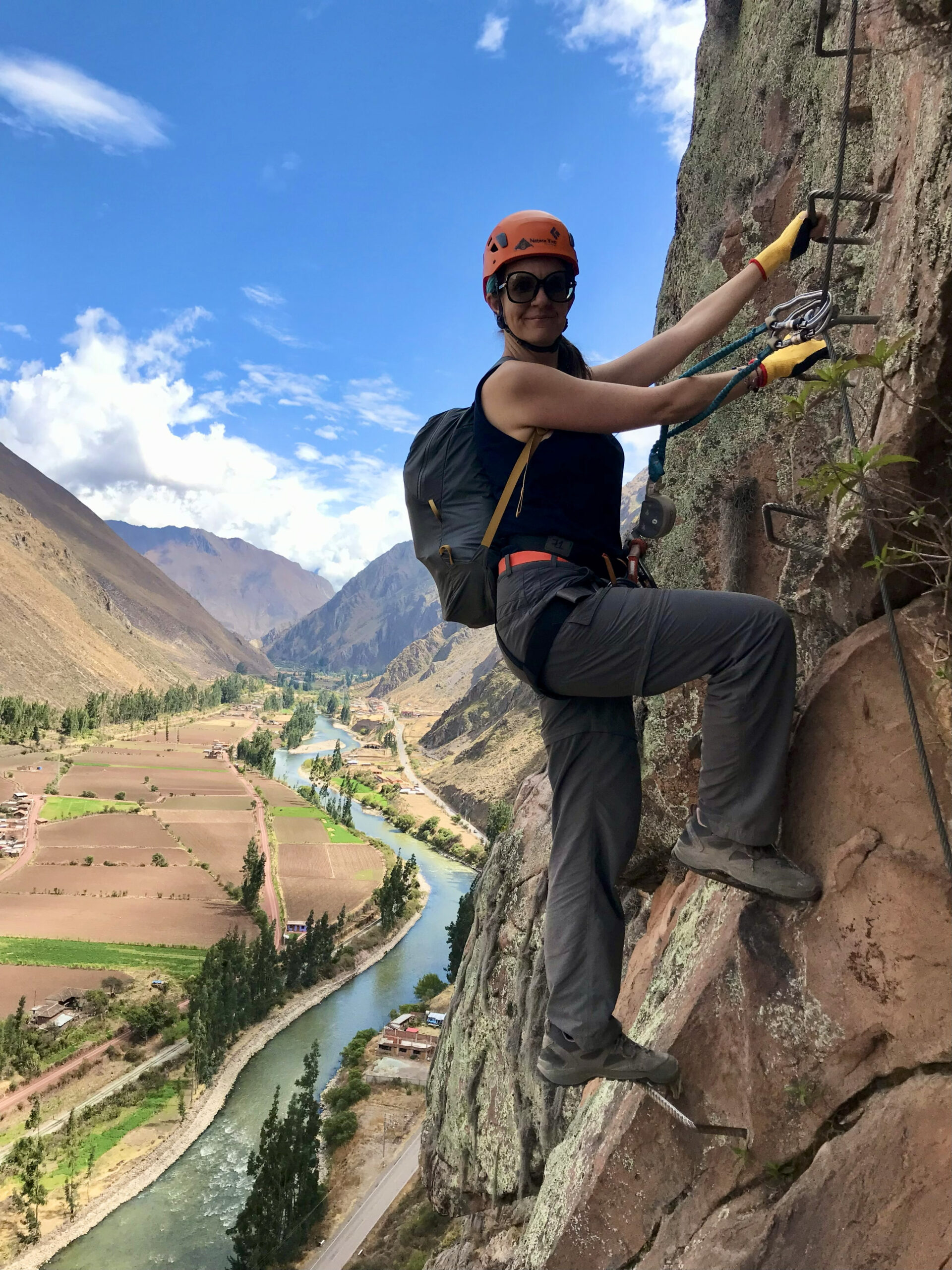
It starts with a via ferrata, a system of metal rungs and cables bolted into the cliff, allowing you to climb even sheer vertical walls without technical climbing skills. You’re always clipped in, and experienced guides lead the way. As you ascend the 300 meters (985ft), every step up brings a bigger reward: wide-angle views of the Urubamba river, terraced slopes, distant peaks, and the pure vertical thrill of being completely exposed to the elements –but in the safest way possible.
Once you reach the top, you don’t hike down. Instead, you zipline back to the valley floor on six circuits of cables –some over 400 meters long– soaring past the cliffs you just climbed and feeling the air whip past your face as you fly.
If you want to continue the adventure and your budget allows for a splurge, you can extend the experience with an overnight stay at the Sky Lodge, one of the most unique hotels in the country (and arguably the world). After your climb, spend the night in a glass pod perched on a vertical cliff above the Sacred Valley, with 360-degree views of the stars and the gorge far below. In the morning, breakfast is served with sunrise views –if you can manage to sleep at all after such a high!
Duration: around 5 hours total (including transport from Cusco, safety briefing, via ferrata ascend and ziplining descent).
Difficulty: Intermediate fitness with no climbing experience needed, but comfort with heights is a must for ascending ladders and traversing exposed terrain.
How to book it: follow this link for via ferrata + ziplining, and this one to include an overnight stay in the Sky Lodge.
What to bring: closed shoes with good grip and a windbreaker or jacket (winds pick up near the top).
Paragliding & hot air ballooning: soaring over the Andes
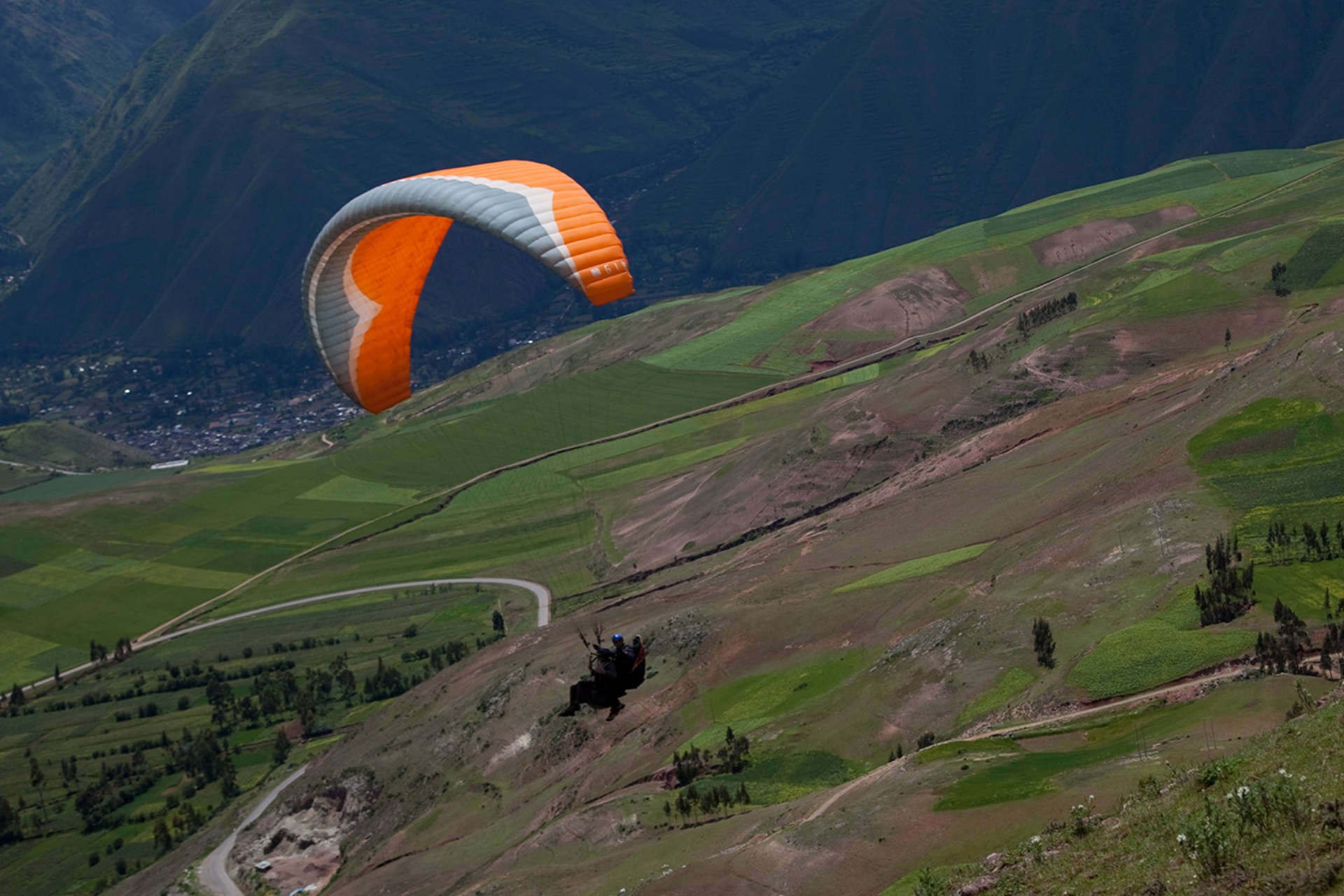
If you thought hiking through the Andes was breathtaking, wait until you see them from above. Whether you choose to paraglide off a ridge or float in a hot air balloon as the sun rises over the Sacred Valley, these aerial adventures offer a completely different perspective.
Paragliding is the more adrenaline-fueled option. Tandem flights launch from the Chinchero plateau, just an hour from Cusco, where thermal and wind conditions allow you to glide gently over deep valleys and ancient agricultural terraces. It’s peaceful and quiet once you’re in the air –just the wind and the vast canvas of mountains below. On a clear day, you can spot snowcapped peaks and tiny villages nestled between hills.
Do you rather something a little more serene? Then hot air ballooning might be your dream experience. Launching at dawn near Urubamba or Maras, the balloons rise slowly with the morning light, offering a cinematic view of the Sacred Valley bathed in gold. The flights are weather-dependent and not available every day, but when they go, they’re pure magic.
Duration: paragliding takes half-day (with ~20 minutes of flying time), ballooning takes ~4–5 hours total (including set-up and breakfast, plus ~1 hour flight).
Difficulty: easy, no experience required for either, although paragliding requires a bit more confidence in heights and motion.
Best tours: follow this link for paragliding; and this one for hot air balloon.
Adventures on Water and Wheels
For those who prefer speed, splash and scenery.
Mountain biking: from Inca sites to Andean valleys
Cusco isn’t just for trekking –it’s also one of the most exciting places in Peru to explore on two wheels. Whether you’re a seasoned rider or just looking for a fun downhill day, mountain biking around Cusco offers a thrilling way to see the region’s highlights from a whole new angle.
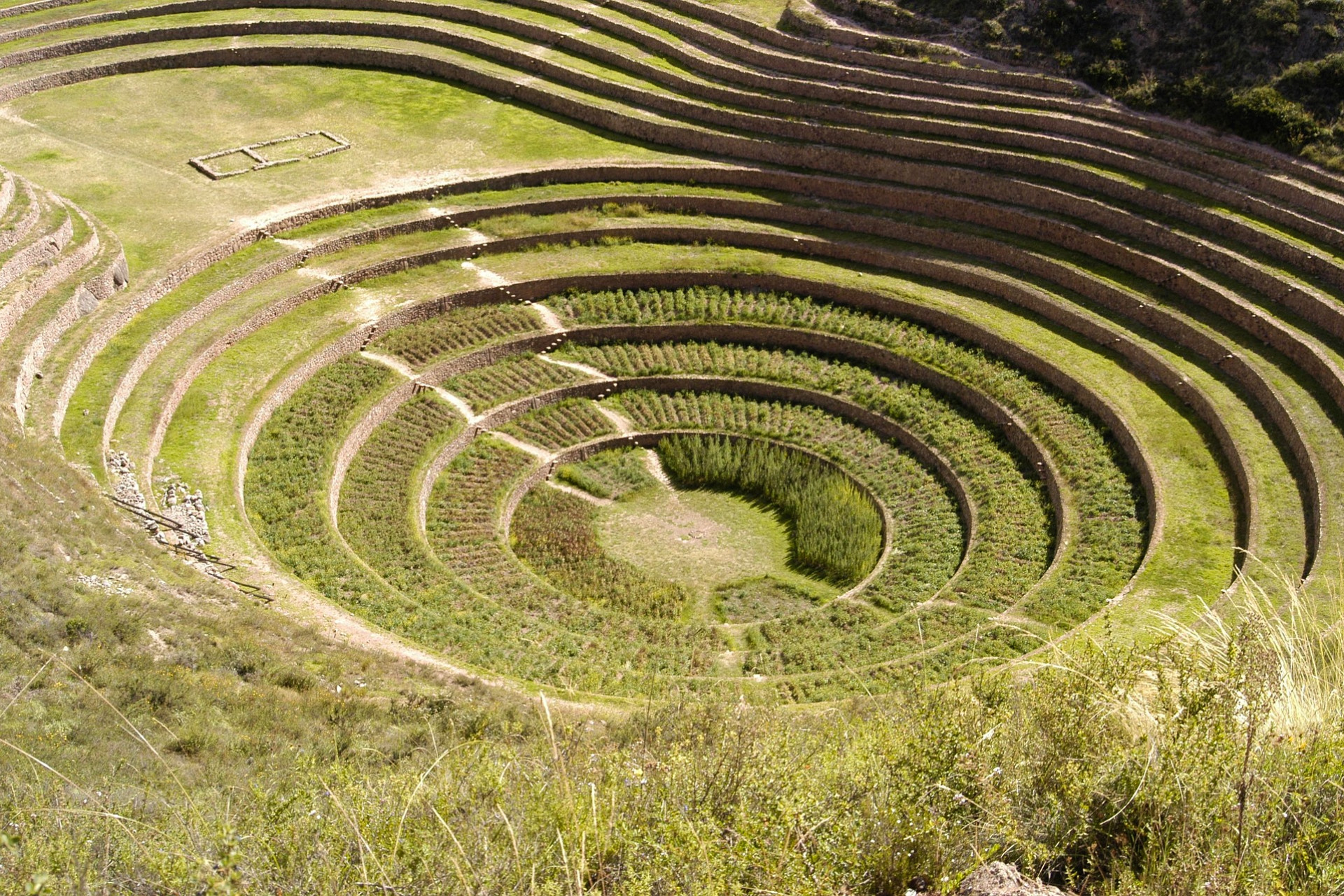
One of the most popular and scenic routes begins in Chinchero or Cruzpata and winds its way past the agricultural terraces of Moray and the surreal Maras salt ponds, finally descending into the Sacred Valley. It’s a ride that blends adrenaline with history –you’ll literally be pedaling past ancient Inca engineering, highland villages and golden wheat fields.
There are options for all levels. Some tours start with a van-assisted drive to the highest point, so you can enjoy a mostly downhill experience, while others involve more technical single-track trails. No matter your skill level, the views are phenomenal: glaciers in the distance, llamas grazing along the path, and the Andes unfolding in every direction.
Most companies provide full-suspension bikes, helmets and protective gear, and many offer half-day or full-day rides that include lunch and support vehicles.
Location Highlights: Moray & Maras to Urubamba; Sacred Valley ridge trails; Yuncaypata forest near Sacsayhuamán for single-track enthusiasts.
Difficulty: easy-to-intermediate: mostly downhill routes; advanced: technical single tracks or high-altitude ascents.
How to book it: you can rent a bike in town if you want to go solo, or book a tour like this one.
Whitewater rafting on the Urubamba river
If you’re looking to trade mountain trails for river rapids, whitewater rafting on the Urubamba river is the adventure for you. Flowing through the Sacred Valley and into the Amazon basin, the Urubamba offers several sections perfect for rafting –from gentle currents ideal for beginners to exhilarating class III and IV rapids for thrill-seekers.
Most rafting adventures start near Ollantaytambo or Cusipata, depending on the season and water levels. In the dry season (May to October), the river is calmer, great for first-timers or those looking for a mix of excitement and scenery. In the wet season (November to April), the river swells and becomes a whitewater playground –especially in stretches like Chuquicahuana, where technical rapids and narrow gorges test your reflexes and paddling skills.
Beyond the adrenaline, rafting here is a chance to float past Inca terraces, towering cliffs and remote villages –landscapes you wouldn’t see otherwise. Most tours include gear, a full safety briefing, and even a hearty riverside lunch. Some offer optional add-ons like ziplining, cliff jumping, a sauna or a hot shower at the end of the tour.
Duration: half-day to full-day trips (2–4 hours on the river).
Difficulty: easy to moderate, depending on season and route. Most providers offer tailored routes by skill level.
How to book it: advanced rafters need to coordinate directly with an agency in town, while beginner-friendly options like this one and this one can be booked online.
Quad bike (ATV) or motorbike tours to remote viewpoints and salt flats
For those who crave speed with their scenery, hopping on an ATV or motorbike is a fantastic way to explore some of Cusco’s most picturesque gems. These tours are all about covering ground –and having fun while doing it.
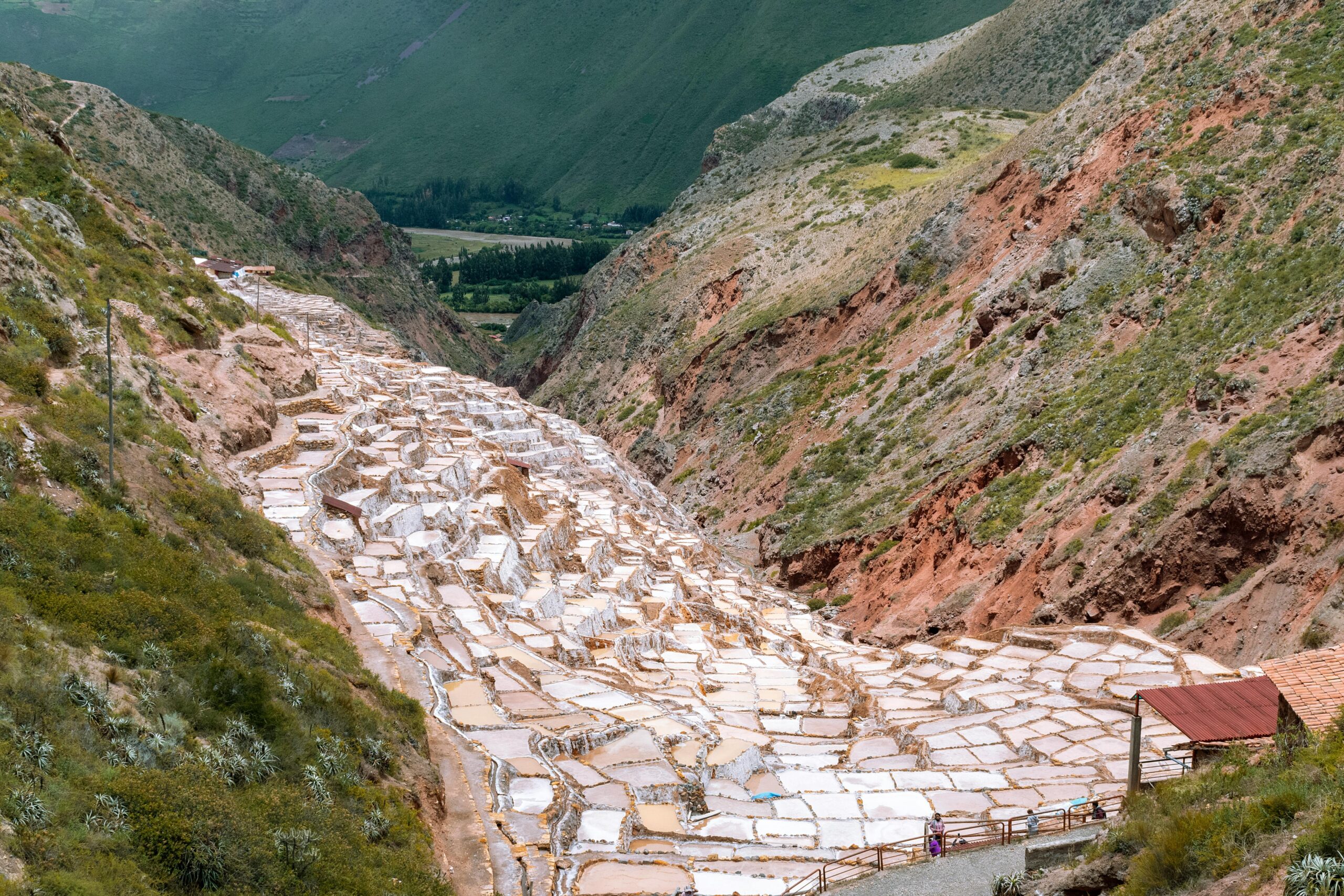
Most rides start from Cruzpata, a highland village between Cusco and the Sacred Valley, and take you on dirt roads through rural Andean landscapes. Expect epic viewpoints, windswept plateaus, and the surreal sight of the Maras Salt Flats, a patchwork of thousands of white pools clinging to the side of a canyon, still harvested by hand since Inca times.
You’ll pass herds of sheep and llamas, and see local farmers at work –a true glance into Andean countryside daily life. Some tours include stops at Moray, the ancient agricultural laboratory with concentric terraces that still baffle archaeologists today.
Both quad bikes (ATVs) and motorbikes are available, with the former being more popular and easier for beginners, since you’re taught the basics if you’ve never ridden one before.
Duration: half-day or full-day tours (with 3–6 hours of riding).
Difficulty: Easy to moderate. No previous experience needed for ATVs; motorbikes require a valid driver’s license.
Best tours: depends on what you want to see –you can pick a classic tour to Maras and Moray, or to other sights like the Rainbow Mountain or the Abode of the Gods.
Pro tip: Try to go early in the morning or late in the afternoon to catch the best light over the salt flats and valleys –golden hour here is unforgettable.
Hiking above the clouds: high-altitude panoramic views
Shorter but stunning hikes –perfect if you’re short on time but still want wow-factor.
Rainbow Mountain (Vinicunca) & the Red Valley: the classic color hike
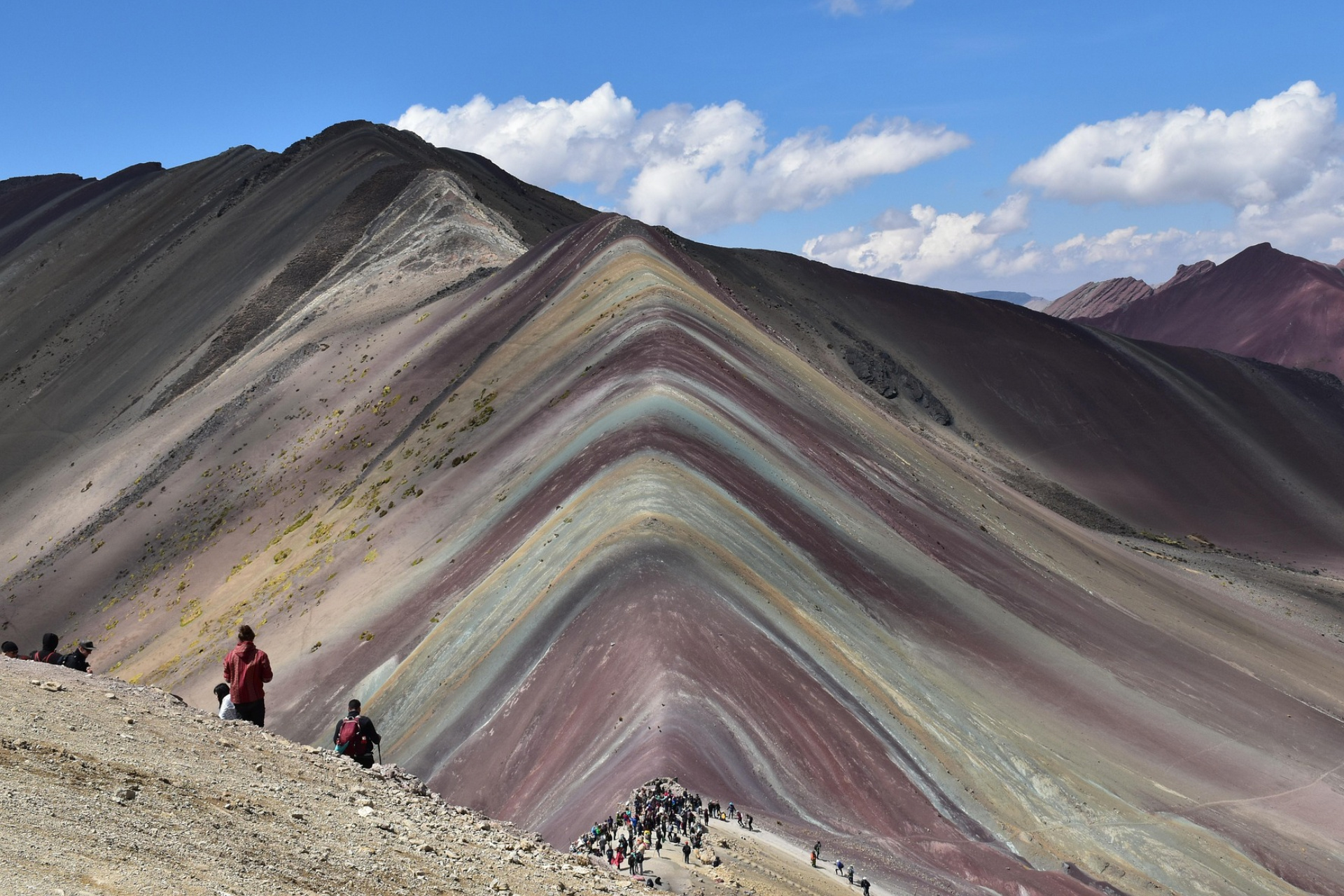
It’s one of the most iconic hikes in Peru –and one of the most misunderstood. Rainbow Mountain, or Vinicunca in Quechua language, sits at over 5,000 meters (16,500 ft) above sea level and dazzles with layers of red, turquoise, yellow and lavender, shaped over millions of years by mineral deposits. It’s breathtaking in every sense –the altitude, the colors, the wide-open Andean plateau stretching out around it.
The hike starts from the trailhead near Cusipata, after a pre-dawn drive from Cusco. The trail itself is a 7-kilometer (4 mi) round trip, and while the path is wide and not technically difficult, the altitude makes it a challenge. Expect a steady uphill climb through arid landscapes and herds of alpacas grazing on the plains. The final push to the viewpoint is the steepest, and the hardest, but the panoramic reward is worth every gasping step. From the top, you’ll get a stunning view of the painted mountain, with the snow-capped Ausangate massif looming behind.
But here’s the thing: it’s not exactly like the photos. Those ultra-saturated, hyper-contrasted shots that flood social media? Heavily edited. The mountain is beautiful, yes, but it’s softer, more nuanced, and absolutely worth the hike, as long as you arrive with real expectations. And be prepared to share it. Due to its popularity, Rainbow Mountain sees hundreds (sometimes thousands) of visitors per day, especially in the dry season. The line of people posing with flags or jumping for the ‘perfect shot’ can dampen the magic if you’re not ready for it.
Still, there’s a silver lining –well, a red one. The Red Valley (Pitumarca), a side trail from the Rainbow Mountain circuit, is often skipped by the crowds and offers surreal landscapes, fewer people, and a far more peaceful experience. If you have the stamina, don’t miss this detour.
Duration: it’s a day trip from Cusco, with 1.5–3 hours of hiking (depending on acclimatization and fitness).
Difficulty: moderate to challenging (altitude is the real issue).
Best tours: there are plenty of alternatives that offer a hike to the Rainbow Mountain, plus the option to visit the Red Valley, like this one. Going on your own is also possible.
Palccoyo: the quieter, easier alternative
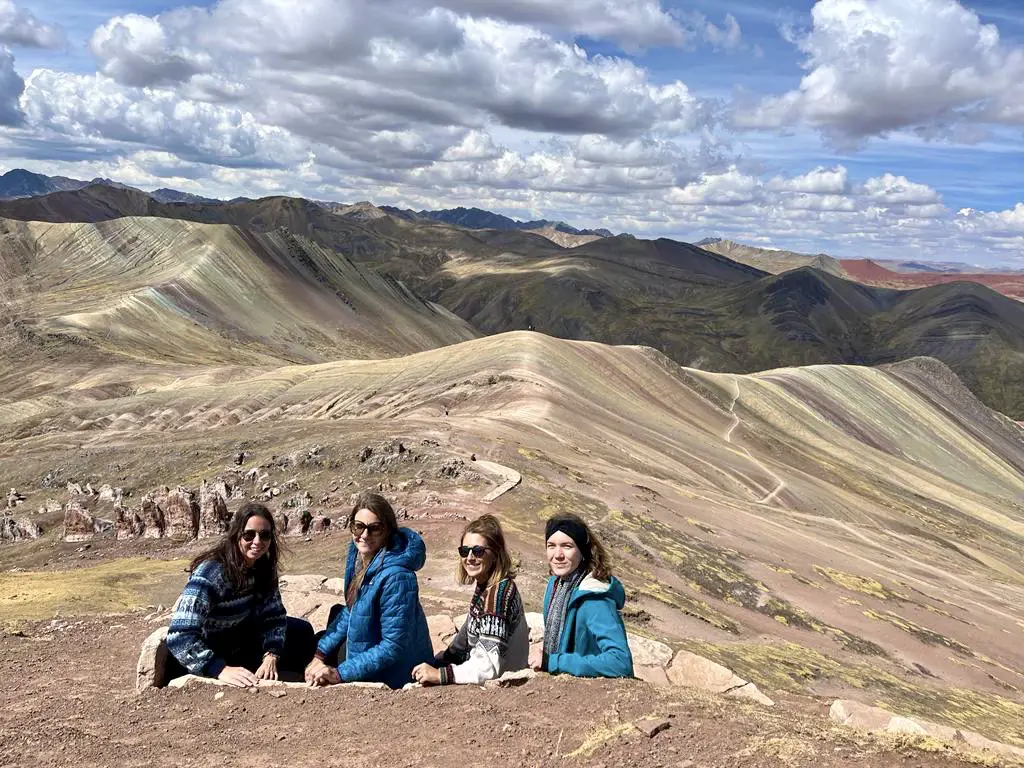
While Vinicunca gets all the hype, Palccoyo offers a gentler, more serene introduction to the rainbow-hued landscapes of the Andes –without the crowds.
I actually ended up here by mistake. I met a group of travelers during the Salkantay trek, and we decided to DIY a trip to the Rainbow Mountain. We took a local bus to Checacupe, then negotiated with a taxi to take us to the trailhead. Since Spanish is my native language, I was confident we’d get exactly where we wanted to go. But halfway through a bumpy, winding road, I realized we were veering off the expected route. I double-checked the map. Yep, wrong direction. The driver insisted it was fine, and after rattling up what felt like a forgotten path, he triumphantly announced we had arrived.
We looked around –it wasn’t Vinicunca. Instead, we were on the other side of the mountain range, in a completely different valley. “This one’s better,” he assured us. “Prettier. And no tourists”. He wasn’t wrong. Palccoyo may not have the dramatic saturation of Vinicunca, but it has a trio of soft rainbow-striped hills, a surreal stone forest, and a wide, scenic plateau where you can actually hear the wind instead of a hundred drones buzzing above selfie sticks. Given the choice, I probably would’ve chosen Palccoyo anyway –funny how some days take you exactly where you didn’t know you wanted to go.
The hike itself is also a breeze compared to its famous sibling. At about 4,900 meters (16,075 ft), it’s still very high, but the trail is shorter and flater –more of a scenic stroll than a punishing climb. It’s a great option if you’re not fully acclimatized or just want to enjoy the scenery without gasping for air.
Trailhead: near the town of Combapata (3.5–4 hours drive from Cusco).
Duration: day trip from Cusco, with 1-2 hours of hiking.
Difficulty: moderate (short but still high altitude).
Best tours: it’s not a hard DIY, but tours like this one are inexpensive and hassle-free.
Into the Wild: Rainforest Adventures in Manu National Park
Swap snowcapped peaks for tangled jungle canopies –Manu offers a completely different kind of thrill. It’s a UNESCO World Heritage Site and one of the most biodiverse regions on the planet. From jungle treks to tubing down rivers and learning about Amazonian communities, this is the ultimate off-the-grid experience.
Jungle trekking and wildlife spotting
Manu isn’t your average national park –it’s one of the wildest, most biodiverse corners of the planet.
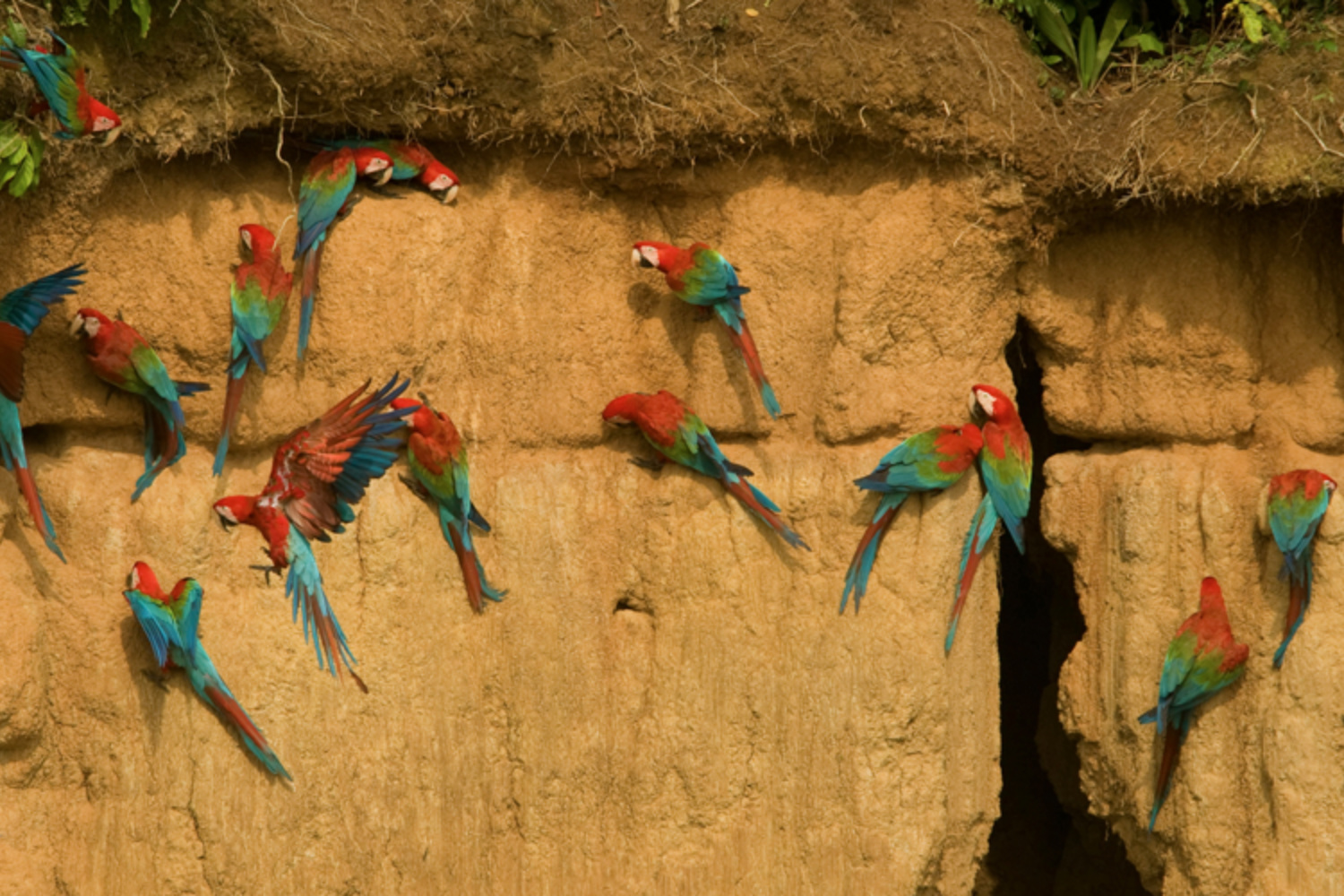
Trekking in Manu means following muddy, root-tangled trails under towering ceiba trees, crossing small wooden bridges over creeks, and brushing past leaves the size of umbrellas. You might go for hours without seeing another human, but the forest is very much alive. Macaws squawk overhead, capuchin monkeys leap through the canopy, and if you’re lucky, you might even spot a tapir, a caiman, or –the holy grail of Manu sightings– a jaguar lounging by the riverbank.
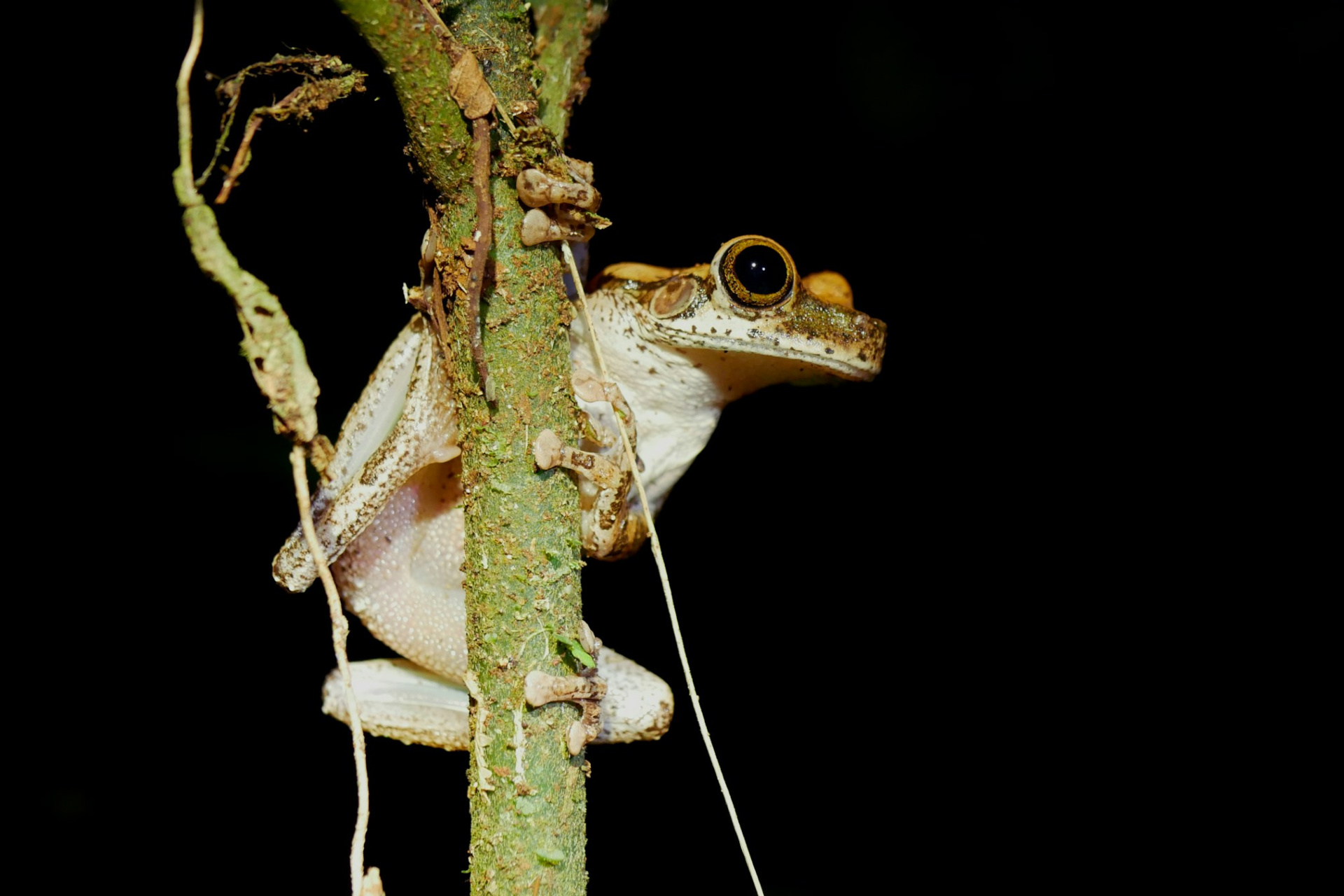
Tours often drive from Cusco to Pilcopata or Atalaya, from where you travel by boat deeper into the reserve. Each day usually includes a few hours of trekking, sometimes at dawn or after dark, when the forest completely transforms. Night hikes are especially thrilling: flashlight in hand, you look for tarantulas, reptiles, tree frogs, glowing fungi, and bizarre insects you didn’t know existed.
But trekking here goes beyond spotting wildlife –it’s about immersing yourself in the rhythm of the forest. The guides –often locals who grew up in the jungle– will teach you how to read the signs: how to follow animal tracks, recognize medicinal plants, or find the spot where leafcutter ants are most active. By the end of your trek you realize the jungle isn’t chaotic, it’s astonishingly intricate, with every footprint telling a story.
Duration: 3 to 7 days, depending on how deep you want to go into the park.
Difficulty: moderate to challenging, due to humidity, muddy trails and occasional river crossings.
Best time to visit: dry season (May–October) offers better trail conditions and more wildlife visibility.
How to book it: you have the option to do tours of 3 days, 4 days, 5 days or 7 days. Most tours include transportation from Cusco, guide, meals, accommodation (lodges or tents), park permits and basic gear.
In Manu, the rivers are the arteries of the forest –carrying people and goods deep into the Amazon. Whether you’re cruising in a motorized longboat, silently drifting in a dugout canoe, or floating lazily in a tube, being on the water is one of the most unforgettable ways to experience the region.
Most trips involve longboat rides along the Alto Madre de Dios or Manu rivers –wildlife safaris in their own right. Keep your eyes peeled for capybaras lounging on muddy banks, howler monkeys in the treetops, or even giant river otters gliding through the water.
For something slower and closer to nature, dugout canoe rides or even stand-up paddling are available in some eco-lodges. These are ideal for spotting birds like hoatzins, kingfishers, or the elusive harpy eagle, and they let you appreciate the sounds of the jungle uninterrupted by motors.
And then there’s tubing –the most laid-back adventure in Manu. Picture yourself bobbing down a calm stretch of river, the current guiding you gently past tangled vegetation, overhanging tree canopies and sunbathing turtles. It’s peaceful, a little thrilling, and the perfect way to cool off after a steamy jungle trek.
How to book it: included in most organized tours –longboats are the primary means of navigating the park.
Canoeing & Tubing: available at select jungle lodges or with community-based tourism programs, but consider that conditions vary by season (rain can swell or muddy rivers).
Guide required? Yes –navigation in Manu always requires a licensed guide due to conservation regulations and logistical complexity.
Cultural encounters with indigenous and local communities
One of the most meaningful aspects of exploring Manu isn’t found in the trees or the rivers, but in the people who have lived in harmony with this land for generations. In the Cultural Zone of the park and along the Alto Madre de Dios river, small indigenous communities open their homes and hearts to visitors willing to engage respectfully.
Many tours include a community visit where you can learn about traditional practices like natural dyeing, weaving, herbal medicine and sustainable farming. You might help press sugarcane juice by hand, try your aim with a traditional bow and arrow, or help cook a meal using ingredients gathered from the jungle.
Some villages also run community-based tourism projects, offering rustic accommodation, guiding services and cultural exchanges as a way to generate income without compromising their land. Staying with a local family or participating in a workshop offers a rare chance to hear stories, ask questions and experience the jungle through a completely different lens.
These experiences, when done responsibly, offer a win-win: authentic cultural immersion for travelers, and economic support for the guardians of the forest. Just remember that you are a guest –curiosity is welcome, but humility is key.
How to visit: Community-based tourism options available with NGOs or ethical operators. Many multi-day tours also include short cultural stops.
Language: Spanish is common, but you’ll encounter indigenous languages like Machiguenga or Asháninka.
What (not) to bring: useful gifts include school supplies and no-perishable foods. Avoid candy and plastic toys, or money unless requested directly by the community.
FAQ / AT A GLANCE
The dry season (May–September) is ideal for most adventures. Expect sunny days, chilly nights, and clear mountain views –perfect for hiking and high-altitude treks. The shoulder months (April and October) can also work, with fewer crowds but occasional rain. The wet season (November–March) brings lush scenery but muddy trails, and some activities may be suspended due to safety concerns.
100% yes. Cusco sits at 3,400 meters (11,150 ft), and many hikes go much higher. Spend at least 2–3 days acclimating in the city before attempting strenuous hikes or treks. Stay hydrated, eat light and avoid alcohol. Coca tea and rest help, but listen to your body –altitude sickness is no joke.
Layers are key. Weather in the Andes changes quickly, even within a single hour. Bring a good pair of hiking shoes, thermal base layers and a light insulated jacket, rain gear (especially in shoulder and wet seasons), sun protection (hat, glasses, SPF) and bug repellent.
Cusco’s outdoor scene offers options for all fitness levels. Many treks and activities have different difficulty levels or support options (like horses or vehicle backups). Be honest about your energy and comfort with altitude, and there’s bound to be a perfect adventure for you.
Cusco is great for acclimatizing, and as a base for day trips and arranging multi-day tours, while the Sacred Valley (Ollantaytambo or Urubamba) sits at lower elevation and it’s quieter. In Cusco these are great options: Inkaterra La Casona or Palacio del Inka (luxury), Tierra Viva Centro or Tika Wasi (mid-range), Amaru Colonial or Casa Cristobal (budget), La Bo’M or Viajero Cusco (backpackers). The Sacred Valley offers unique stays like the Sky Lodge and the Star Dome. If you want something more conventional try Doña Catta Casa Boutique, El Alberge or Apu Lodge (mid-range); Anido or Casa de la Chola (budget); and Apu Ayacco or El Viajero (backpackers).
Some yes, some no. Treks like the Inca Trail are only allowed with certified guides. Via ferrata, zip lines and jungle tours require licensed operators. Day hikes and some mountain biking routes can be done independently, but local knowledge is a big help –and often worth the price of a guide.
Cusco is far more than a gateway to Machu Picchu – it’s a living, breathing playground for those who crave adrenaline, nature and connection. Whether you’re trekking beneath snow-capped peaks, pedaling through the sky, rafting Andean rivers, or listening to the songs of the jungle at dusk, every experience here pushes you to feel more alive. And in the midst of all that wild beauty, you’ll find something even more powerful: stories and people that will stay with you long after you’ve left. So pack your hiking boots and your sense of wonder –these outdoor adventures in Cusco are calling!
WHAT TO READ NEXT?
- Eco-Friendly Hiking: Sustainable Tips and Packing Guide
- Solo Trekking the Colca Canyon: All You Need to Know + The Story of My First Solo Multiday Hike
- Best Things To Do in Bolivia: 20+ Epic Adventures and Travel Experiences You Can’t Miss
- Chile’s Lake District: From Active Volcanoes to Ancient Forests, A Complete Guide to Adventure
- Fun Things To Do in Salvador, Brazil
- The Ultimate Guide to Sustainable Travel
- Travel Resources: The Best Travel Tips and Tricks
Liked it? Want to read it later? Pin it!
Enjoyed what you read? A lovely way to show appreciation is by buying me a coffee.
Your support keeps the stories, guides and geopolitical insights coming. Thank you so much!


Those rainbow mountains are absolutley stunning, what gorgeous photos.
Thank you so much, Roisin! The Rainbow Mountains are absolutely stunning —I’m glad the images helped bring their vibrant beauty to life for you!
Great overview of many sights to see, and amazing hiking to experience. I’m yet to visit anywhere in Peru, and what you’ve shared sounds and looks incredible.
Thank you so much, Marilyn! Peru is truly an adventurer’s dream —I hope you get the chance to explore it soon. There’s so much beauty waiting for you!
Ahhhh this is making me want to book a trip back to Cusco ASAP!! So many insane adventures!
Right?! Cusco has that effect! So glad the post brought back the travel itch —hope you get to go back soon for more unforgettable adventures, Samantha!
Peru sounds like such a magical place.. We have friends goin next summer..sharing this article with them
Thank you, Jenn! That’s so kind of you —I hope your friends have an amazing time in Peru, and that the post helps them make the most of it. It really is a magical place!
I visited Cusco solely to do the Inca Trail and unfortunately didnt have time to do anything else, but this is convincing me I need to go back! And I can’t believe I’ve never heard of the Inca Jungle Trek, it sounds so fun and a great alternative to 4 days of just hiking
Thanks, Caleigh! Totally get that —the Inca Trail is iconic, but there’s so much more to Cusco! The Inca Jungle Trek is such a fun mix of adventure and culture —definitely worth a return trip!