
This article may contain affiliate or compensated links, and may feature complimentary or discounted experiences. All opinions are my own. Please read the Privacy Policy & Disclaimer for more info.
Did you know you can still visit the USSR in the 21st century? Sure, Chernobyl often comes to mind when thinking of places frozen in time after the Soviet collapse. But there’s another corner of Europe where the Soviet Union lives on –in full 20th-century glory. Tucked between Moldova and Ukraine lies the geopolitical gem of Transnistria, or Pridnestrovie as it calls itself –a country that technically doesn’t exist. Here, the hammer and sickle adorn the flag, and Lenin statues dot city squares like it’s 1975. I spent a week exploring this small, self-proclaimed republic and much longer researching it. In this guide, you’ll find everything you need to know about visiting Transnistria –from the surreal Soviet vibes to its complicated political reality.
Transnistria Explained: Why This Breakaway State Isn’t on the Map
“Hold on, what do you mean by ‘a country that doesn’t exist’? Don’t all territories belong to a country that, well, does exist?”. Let me put on my Master’s-in-International-Relations hat and quickly (and simply) break down the geopolitics behind it.
When the Soviet Union collapsed and its 15 republics declared independence, a few regions didn’t want to join their newly assigned nations –often because of their strong Russian identity. Transnistria was one of them.
Technically, the territory belongs to Moldova, a country that shares its language and much of its history with Romania. After the fall of the USSR, there were talks of reuniting Moldova with Romania, at least the Bessarabian part (west of the Dniester River). The Russian-speaking population east of the river wasn’t thrilled by the idea.
Historically, they argued, they only became part of the Moldavian SSR under the Molotov–Ribbentrop Pact. Before that, they were an Autonomous Republic within the Ukrainian SSR. So, if Moldova’s legal claim to independence was based on rejecting that Pact, then Transnistria could reject Moldova’s sovereignty too.
A war broke out in 1990, escalating in 1992, when Russia stepped in and halted the fighting. Since then, this strip of land –officially calling itself the Pridnestrovian Moldavian Republic (PMR)– has operated as a de facto independent state.
The rest of the world calls it Transnistria (literally beyond the Dniester) and considers it part of Moldova. But in practice, it functions like a separate country: it has its own government, parliament, military, police, border control, constitution, currency, flag, and postal system. Still, it lacks one crucial thing: international recognition.
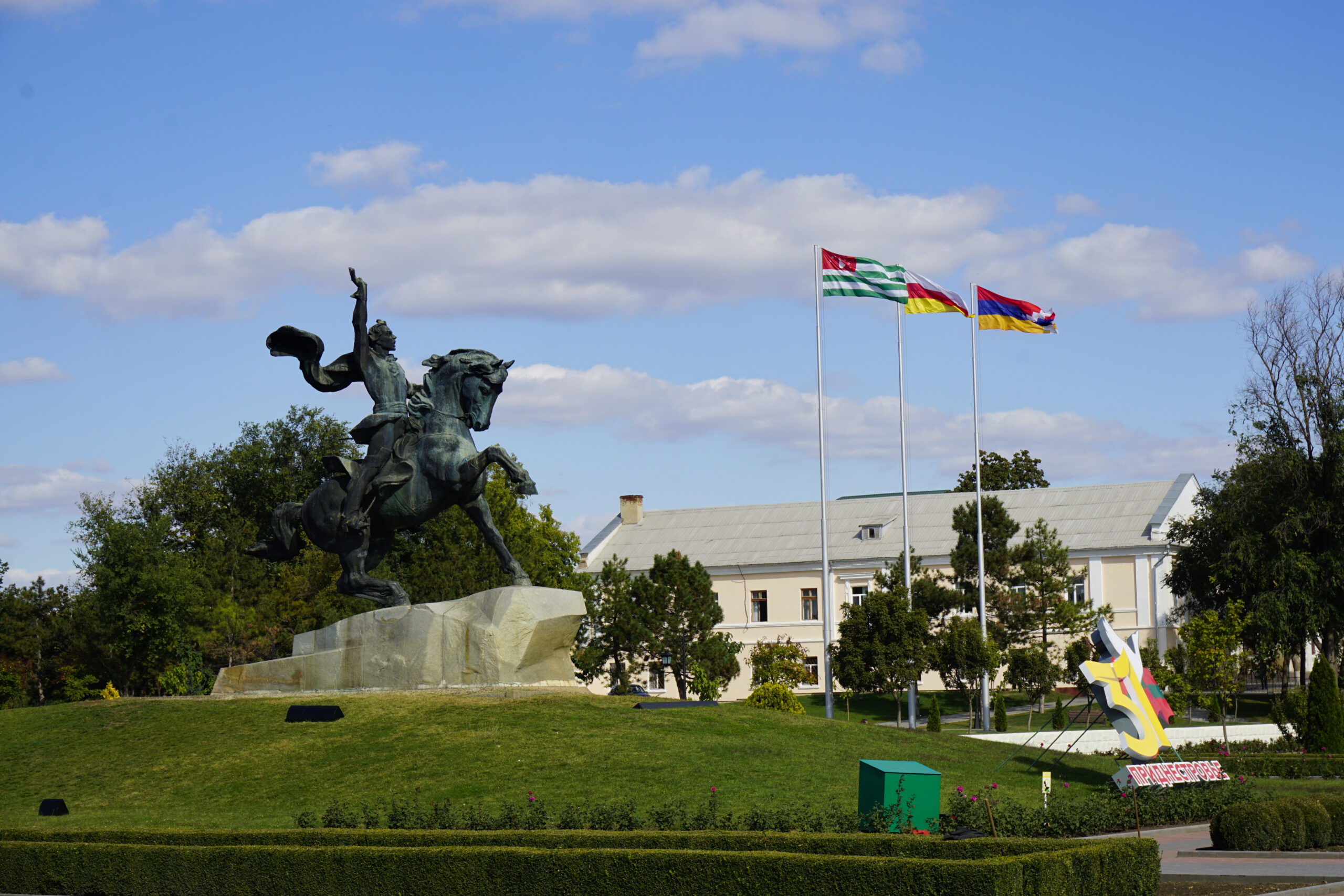
Only two other breakaway territories, South Ossetia and Abkhazia, recognize Transnistria’s independence (it used to be three, including the Republic of Artsakh, but its territory was taken back by Azerbaijan in 2023). These self-proclaimed states formed an alliance called the Community for Democracy and Rights of Nations, also known as the Commonwealth of Unrecognized States.
Tired of the limbo, Pridnestrovie held a referendum in 2006, asking whether people preferred joining Russia or reuniting with Moldova. The vote overwhelmingly favored joining Russia.
But Moscow shrugged. To this day, ‘Mother Russia’ has neither annexed the territory nor recognized it as a country. And many locals I spoke with during my visit said that if a new referendum were held today, they’d likely vote to rejoin Moldova.
Only time will tell how this frozen conflict will eventually thaw.

Visiting Transnistria: A journey through Europe’s most surreal unrecognized country
So let’s get back to the traveling part. You can reach this ‘country’ from Moldova or Ukraine –usually from Chișinău or Odessa.
Previously travelers could enter Transnistria from Ukraine. However, due to the war, Ukraine has closed its border crossing points into the Transnistrian region. Therefore, attempting to enter Transnistria from Ukraine is currently not possible.
I started my trip in the Moldovan capital of Chișinău, and from there, in true Soviet style, I went to find a marshrutka that would take me to Tiraspol. These Eastern European public van/minibuses don’t have a schedule, they leave when they’re full. I was lucky enough to get mine quickly filled by people going back home. At 11:03 I left Chișinău’s Piața Centrală (central station). I had only 78km/48mi to cover, but that short distance would take me to one of the few breakaway territories in the world. An anomaly that left almost half a million people living in limbo for a couple of decades now, even though –I would discover during my visit– some people live in blissful unawareness of how much not-a-country their ‘country’ is.
I was eagerly looking out of the window, curious to get the first glimpse of my destination, and I was met by long stretches of green forests occasionally interrupted by vines adorning the side of the road. At 12 o’clock we approached a checkpoint, guarded with a big sign on a rock: ПМР, and a red-green-red horizontal striped flag. Cyrillic alphabet quickly took over, and it was clear that Moldova was left behind. Welcome to Приднестровская Молдавская Республика (Pridnestrovian Moldavian Republic).
Everyone traveling in the marshrutka started asking me questions in Russian. I knew that I needed to be registered upon entry to the breakaway territory, so I assumed it was about my nationality. I just looked at the driver and he pointed to an office. There was only one person inside, a nice policeman, who asked me in broken English if I spoke Russian. After my nyet, with a smile he asked ‘how many days Transnistria?’, followed by ‘hotel?’. After 2 minutes of answering him, he issued a registration little paper and said “good luck”. It sounded more like ‘have a good trip’ than an omen, but I’ll never know.
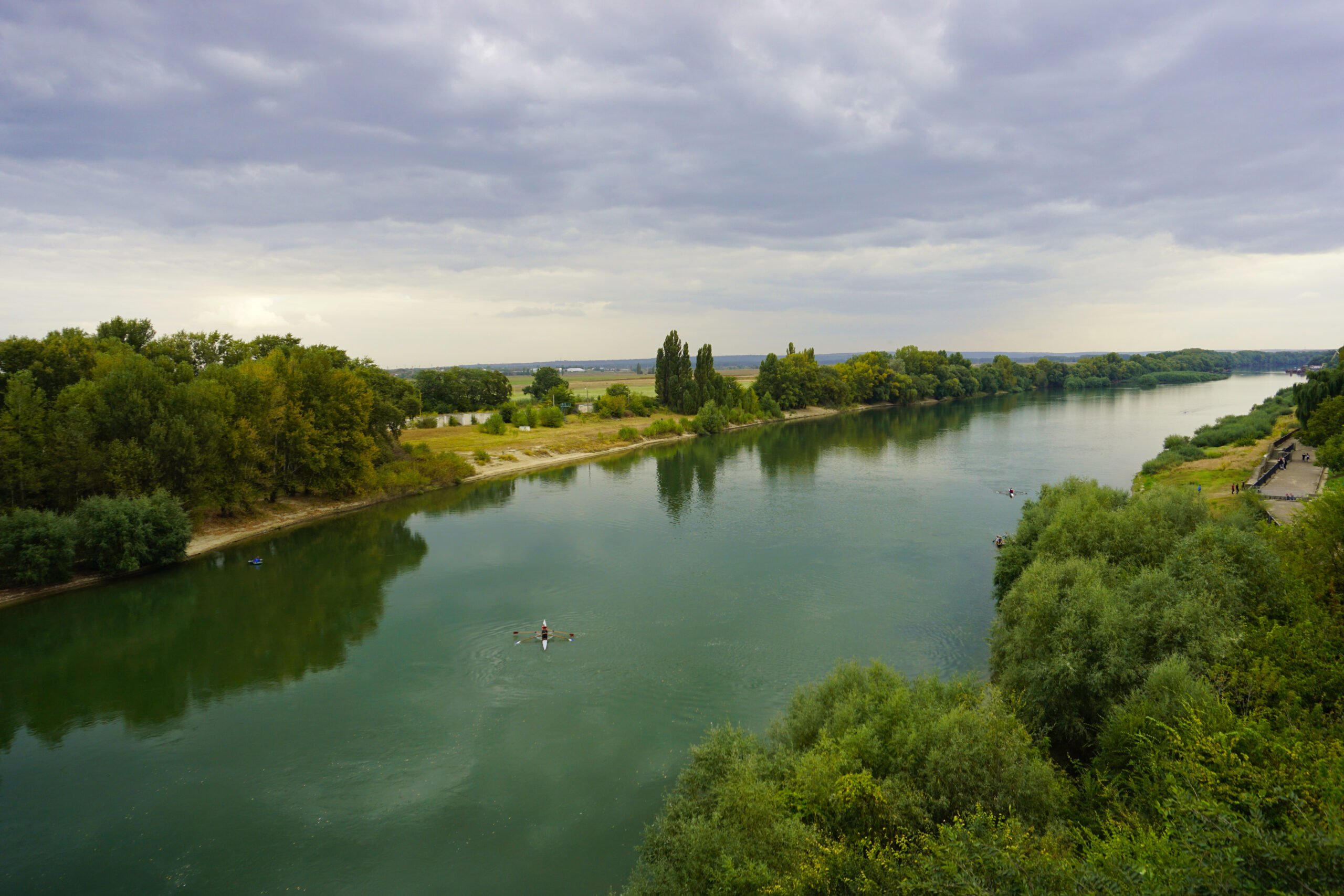
When I went back to the marshrutka, the driver pointed that I sat in front, next to him. He showed me the touristic attractions on the way: the Bendery fortress, the Dniester River, the ‘welcome to Tiraspol’ sign. When we arrived in the center of the city, he gave me an apple from a bag he was carrying, and a lady that got off the minibus at the same time walked with me until she found someone on the street that spoke English, and made sure I knew where I was going. I was already impressed with the hospitality!
You see, in my experience, these sort of places that have almost no tourism can have two types of inhabitants: the ones that distrust and dislike foreigners, and the ones that are happy to see visitors. You never know which ones you’ll run into when venturing this far off the beaten path. I was happy to discover that in the Pridnestrovian Moldavian Republic the citizens are the latter: kind and welcoming.

Back to the USSR? The Soviet legacy still lives in Transnistria
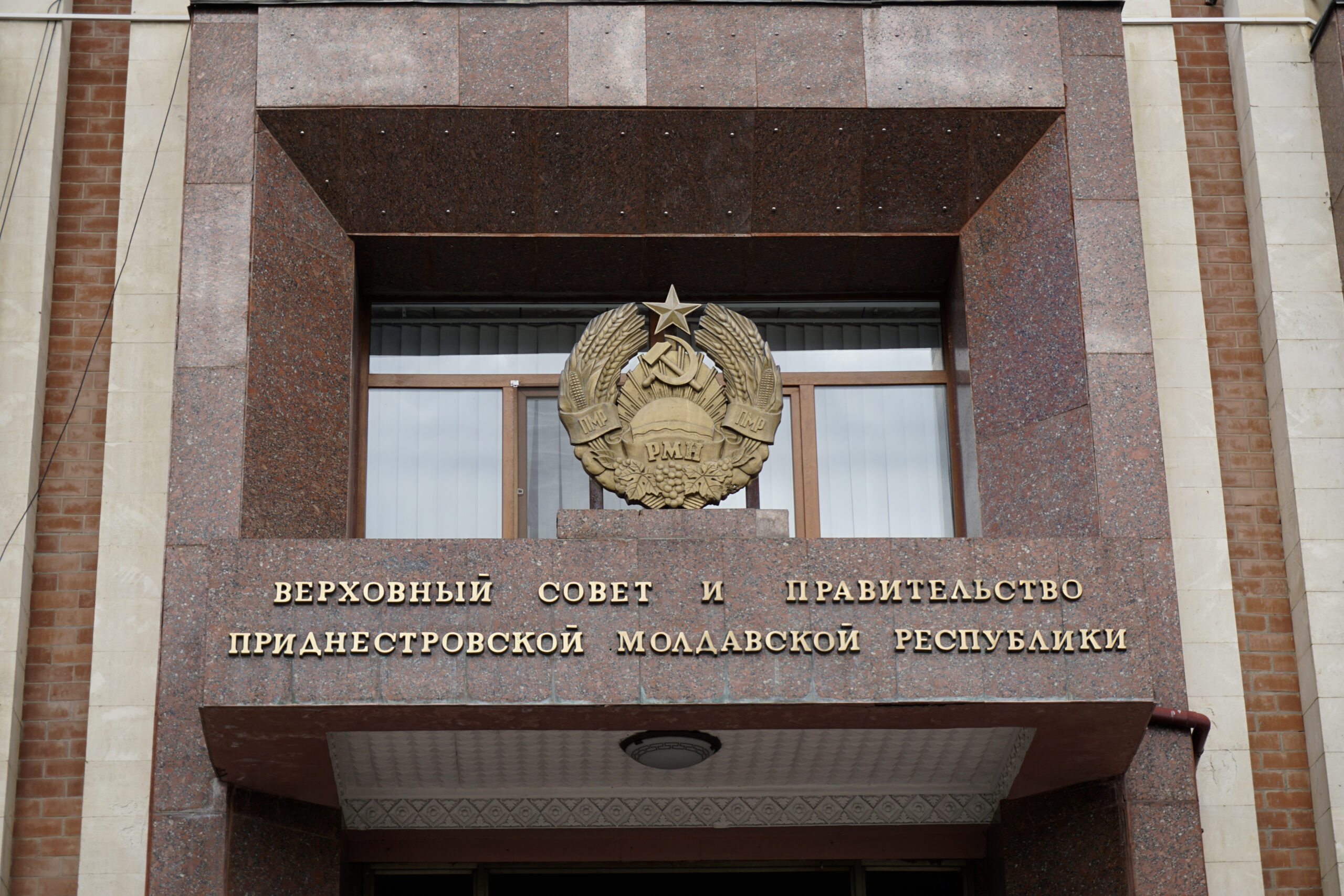
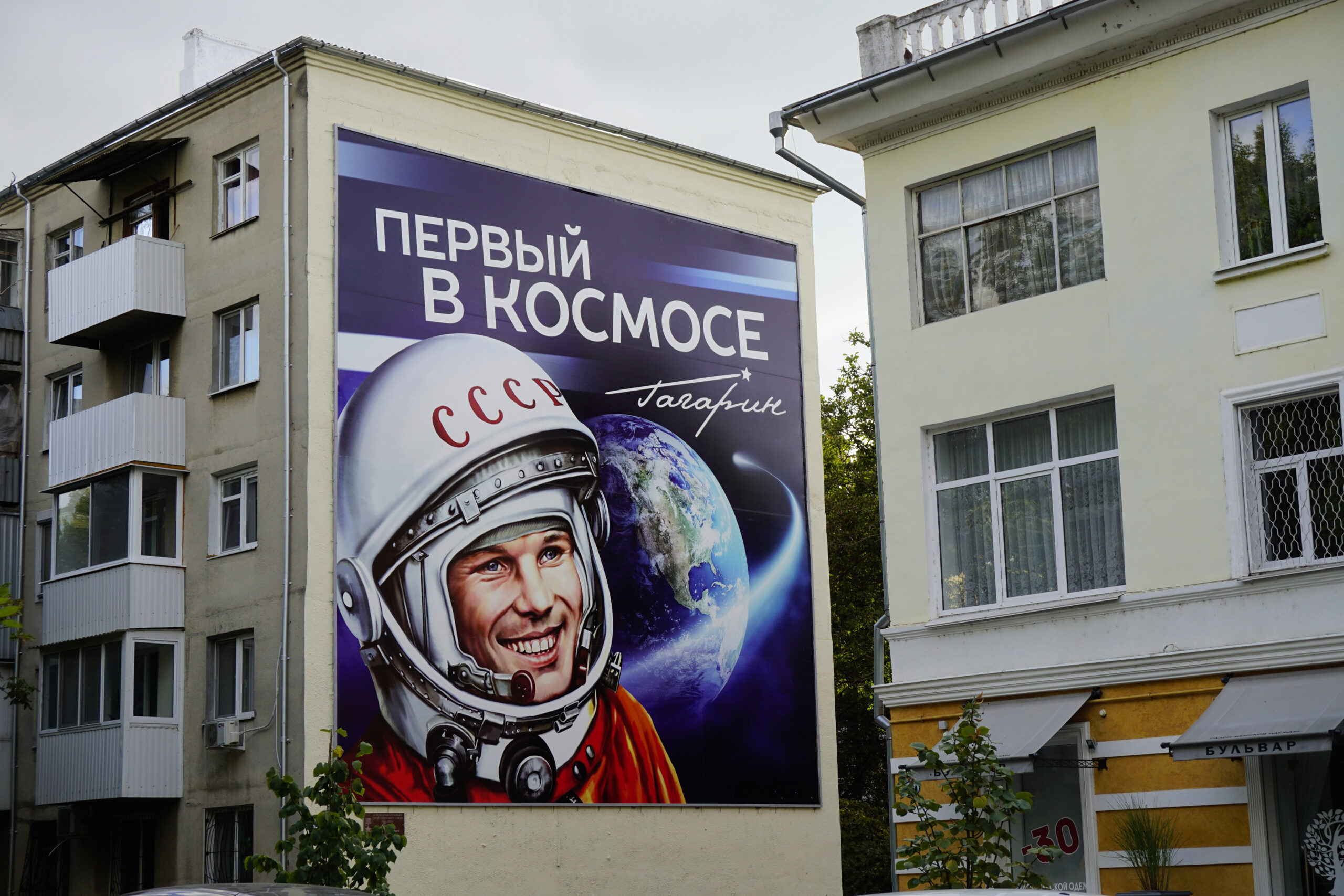
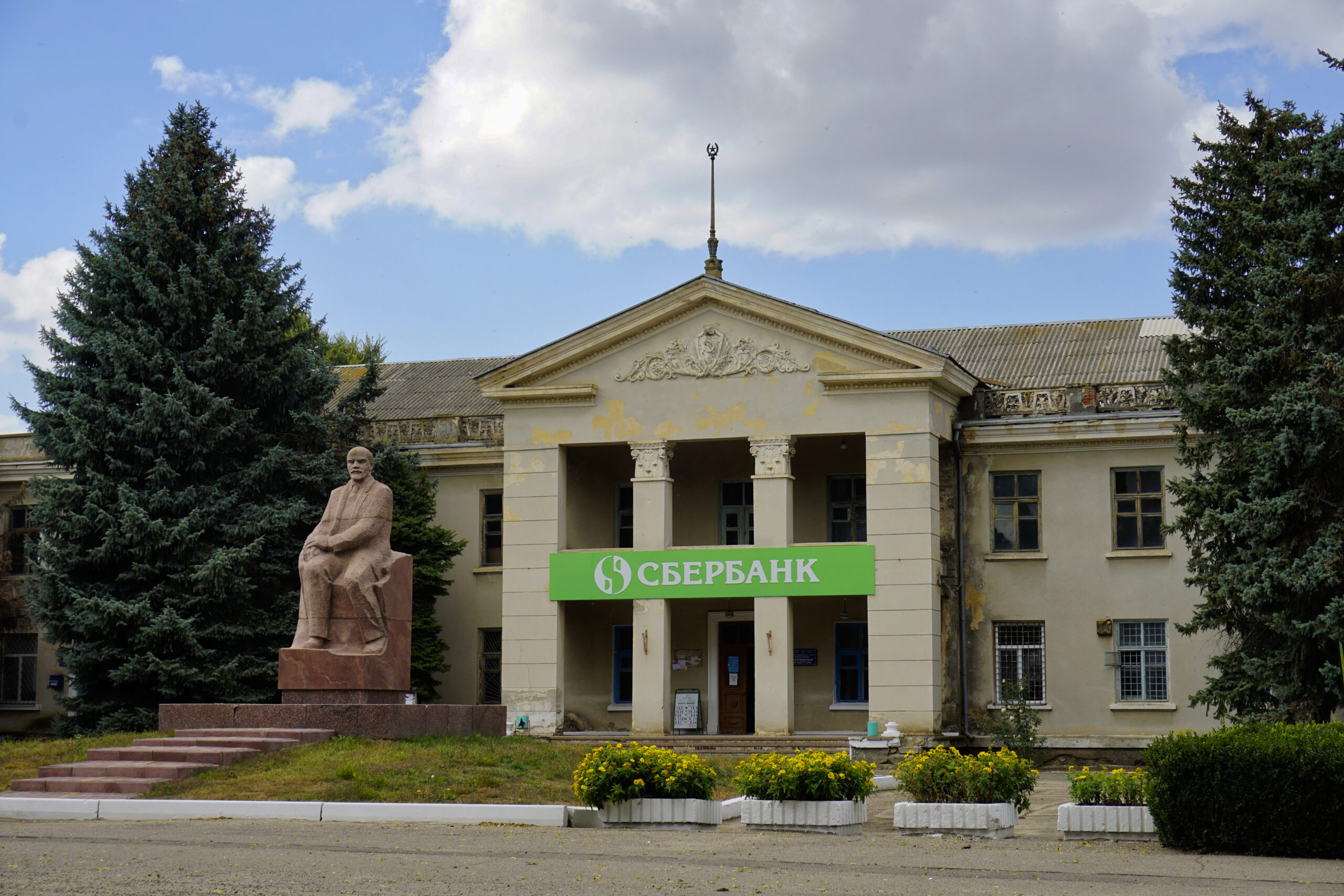
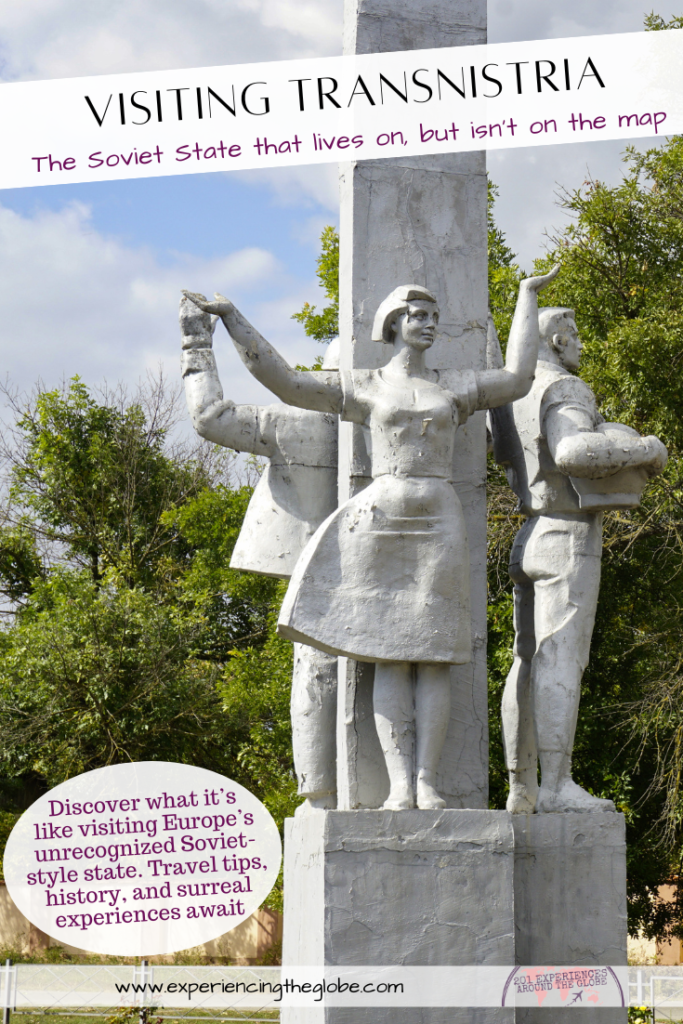
As soon as you cross the border into Transnistria, the Soviet symbols become plentiful and unmistakable. The national flag and coat of arms feature the golden hammer and sickle under a five-pointed red star, all framed in gold (the flag is actually identical to that of the Moldavian SSR, while the coat of arms has been slightly altered –its text updated, and stylized waves added to represent the Dniester River).
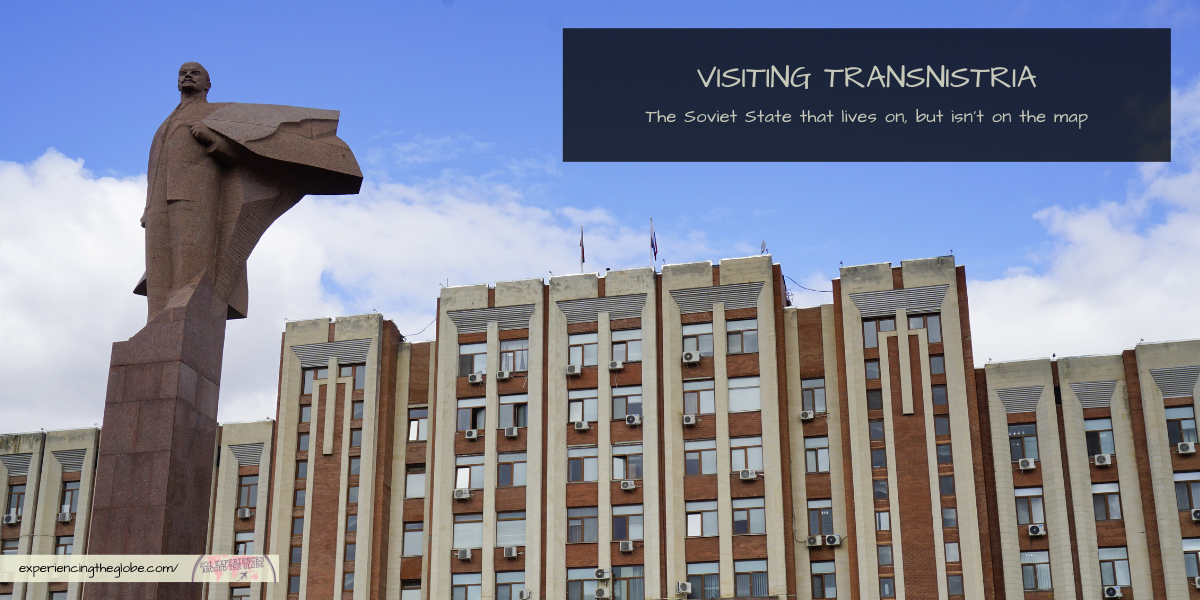
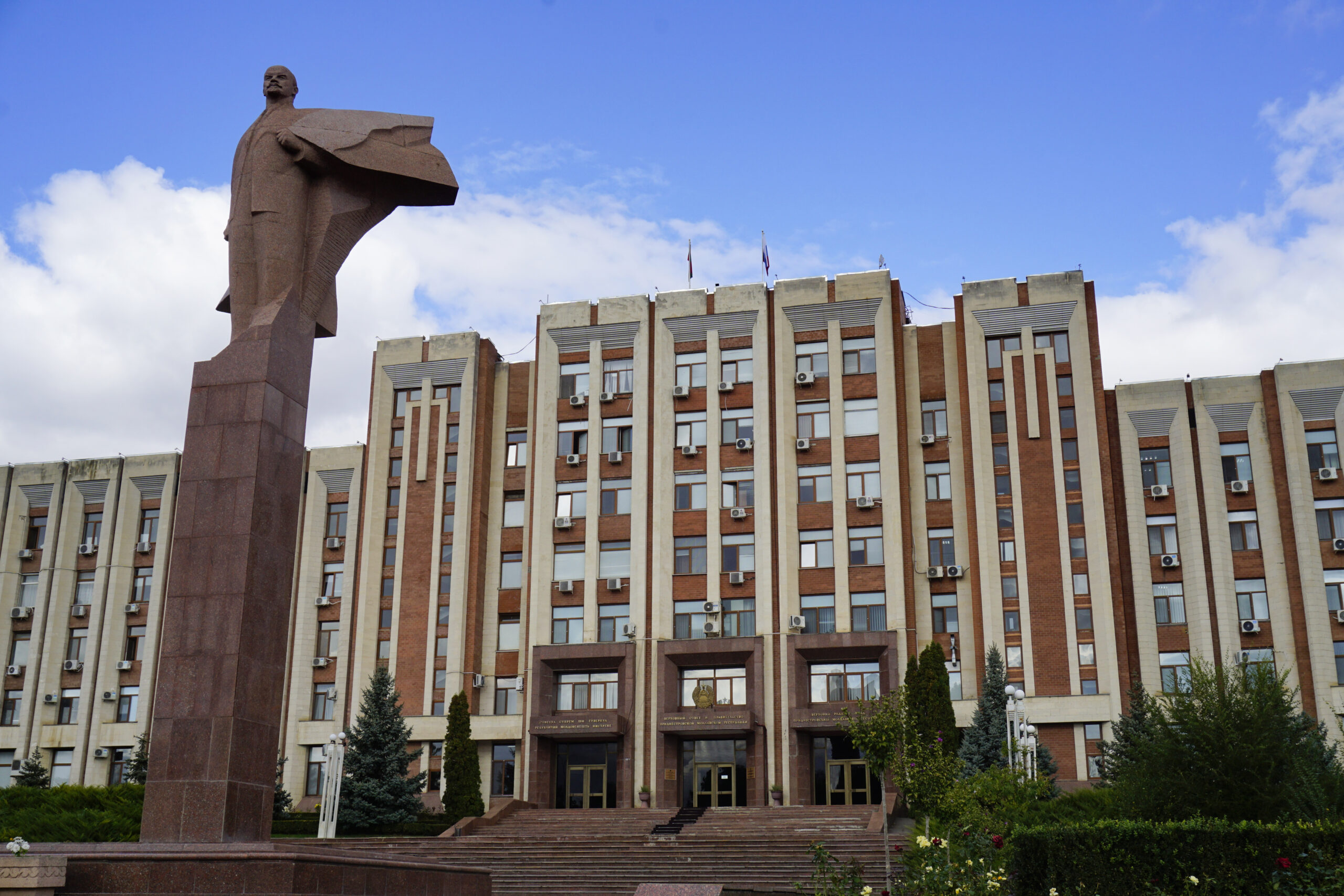
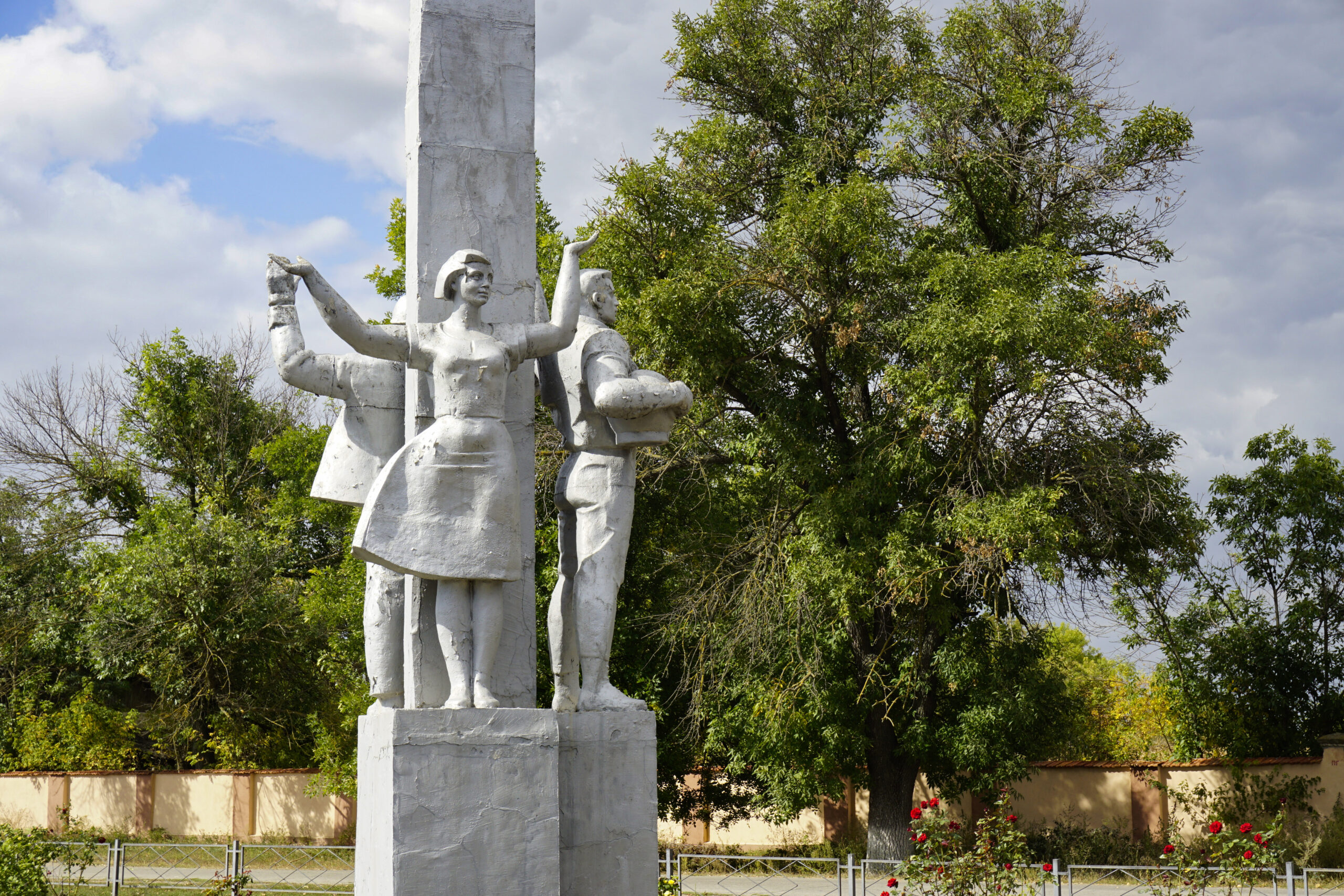
Lenin statues are everywhere, with the largest one proudly guarding the entrance of the Supreme Council and Government building in Tiraspol. And the close ties between Pridnestrovie and Russia are evident well beyond language and symbolism –the Russian and Transnistrian flags often fly intertwined outside public institutions, a visual reminder of political alignment and historical loyalty.
The Soviet atmosphere deepens through the Brutalist architecture scattered across the territory. Towering concrete structures –government offices, residential blocks, and cultural halls– reflect the austere, utilitarian design of the late USSR. Tiraspol’s House of Soviets is a standout example: its stark geometric lines and severe façade are topped, of course, by another statue of Lenin. Even some of the newer buildings echo the same rigid architectural language, reinforcing the eerie feeling that you’ve stepped into a meticulously preserved time capsule. While a few façades have been brightened with pastel-colored paint, many retain their original somber tones: cracked concrete, weathered balconies, and faded murals silently telling stories of a not-so-distant past.
To complete the journey back in time, a must is a meal at a Soviet-style canteen, known locally as a stolovaya. Usually tucked away in government buildings or dimly lit basements, these places serve up hearty staples straight out of the USSR’s culinary archives. You’ll find trays filled with borscht (beet soup), grechka (buckwheat), kotleti (meat patties), and perhaps seledka pod shuboy (a salad with layers of cooked veggies and mayo on a layer of salted herring).
The ambiance is half the experience: fluorescent-lit rooms with linoleum floors, stern-faced women behind the counter, mismatched plates, and a lingering scent of boiled cabbage in the air. It’s not polished, but it’s authentic –a meal served with a side of nostalgia and socialist pragmatism that makes you feel as if you’ve slipped into another era.

Mapping the Unmapped: exploring Transnistria’s cities and villages
Although small, Transnistria has a few key cities and villages worth exploring, each offering a different perspective on this unrecognized republic.
Personally, I stayed in Tiraspol through my whole visit, and from there took a few day trips. There are marshrutkas going everywhere from Karl Marx street, across from the Green Market (on the maps you can find it as Пригородная автостанция). Armed with Russian language downloaded so it works offline on my Google translate app, and a big apologetic smile for not speaking their language, I managed to get around without issues thanks to the kindness of locals. Keep in mind that English isn’t widely spoken, but most people are helpful and patient if you ask nicely.
These are the main destinations around the territory:
Tiraspol
The de facto capital and the heart of Transnistria might be one of Europe’s most surreal capitals, but it’s also incredibly walkable and full of oddly fascinating sights. The city’s main artery, 25th October Street, is lined with concrete blocks, grand monuments, propaganda murals, and government buildings adorned with the hammer and sickle.
Start your exploration at Suvorov Square, the symbolic center of the city, where a towering equestrian statue of General Alexander Suvorov –the Russian military commander and founder of Tiraspol– presides over the square with stoic pride. Not far from it, you’ll spot one of the city’s most iconic landmarks: a preserved T-34 tank, parked on a pedestal next to the Chapel of Saint George, a small but beautifully maintained Orthodox shrine dedicated to soldiers who died in WWII.
Nearby, the Supreme Council and Government building (also referred to as Presidential or Parliament Palace, and Supreme Soviet building) is a study in late Soviet grandeur. It’s not open to the public, but it’s worth a look from the outside, especially for the giant Lenin statue standing guard in front.
Just across the way, the Memorial of Glory honors those lost in the Great Patriotic War and the 1990-1992 conflict with Moldova, its eternal flame flickering quietly next to a row of solemn monuments. Then there’s the House of Soviets, a blocky, pink-and-cream government building that’s pure architectural nostalgia. The Christmas Cathedral, with its shiny golden domes and whitewashed façade, sits nearby, offering a surprising splash of spirituality in a place that still feels ideologically anchored in a secular past.
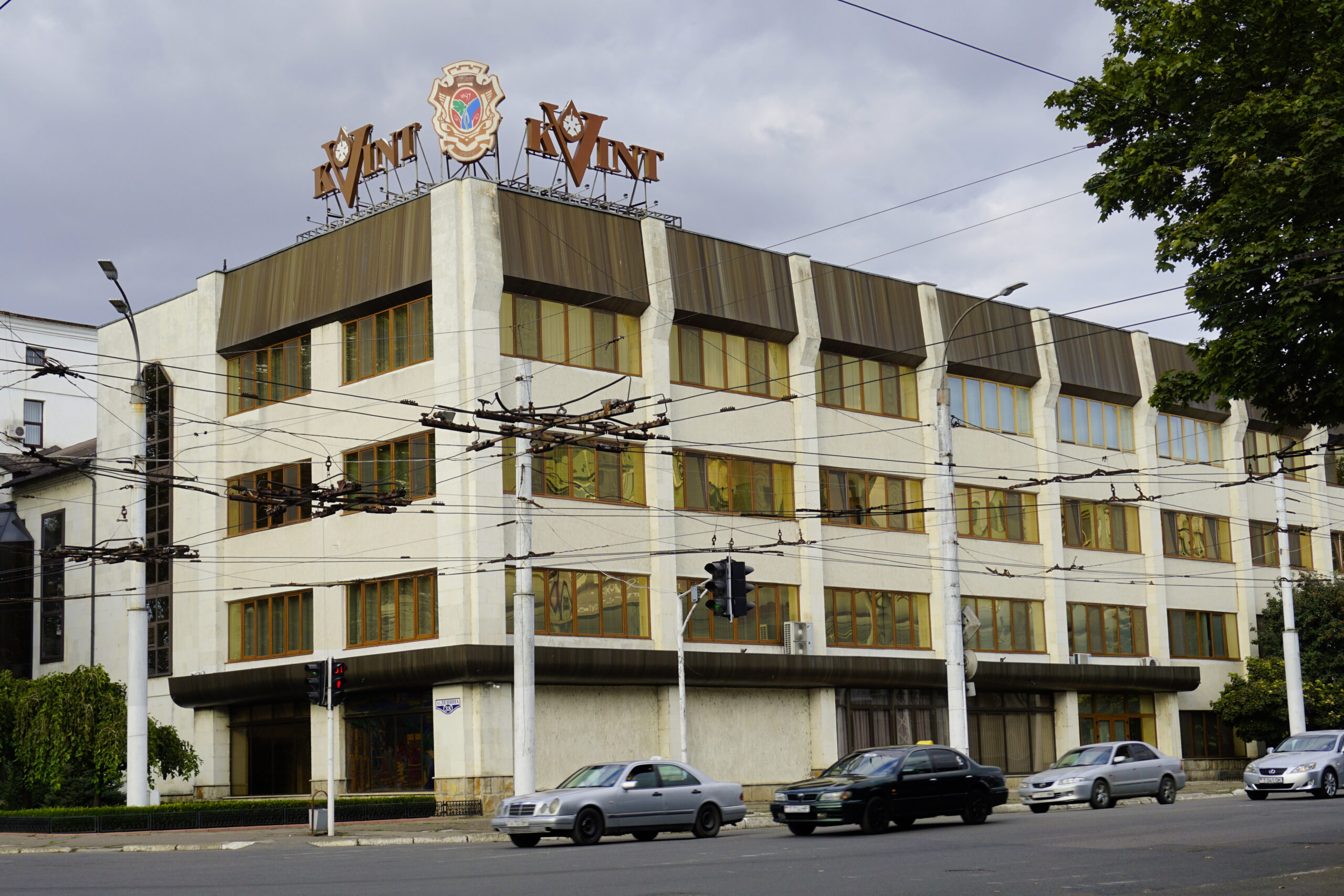
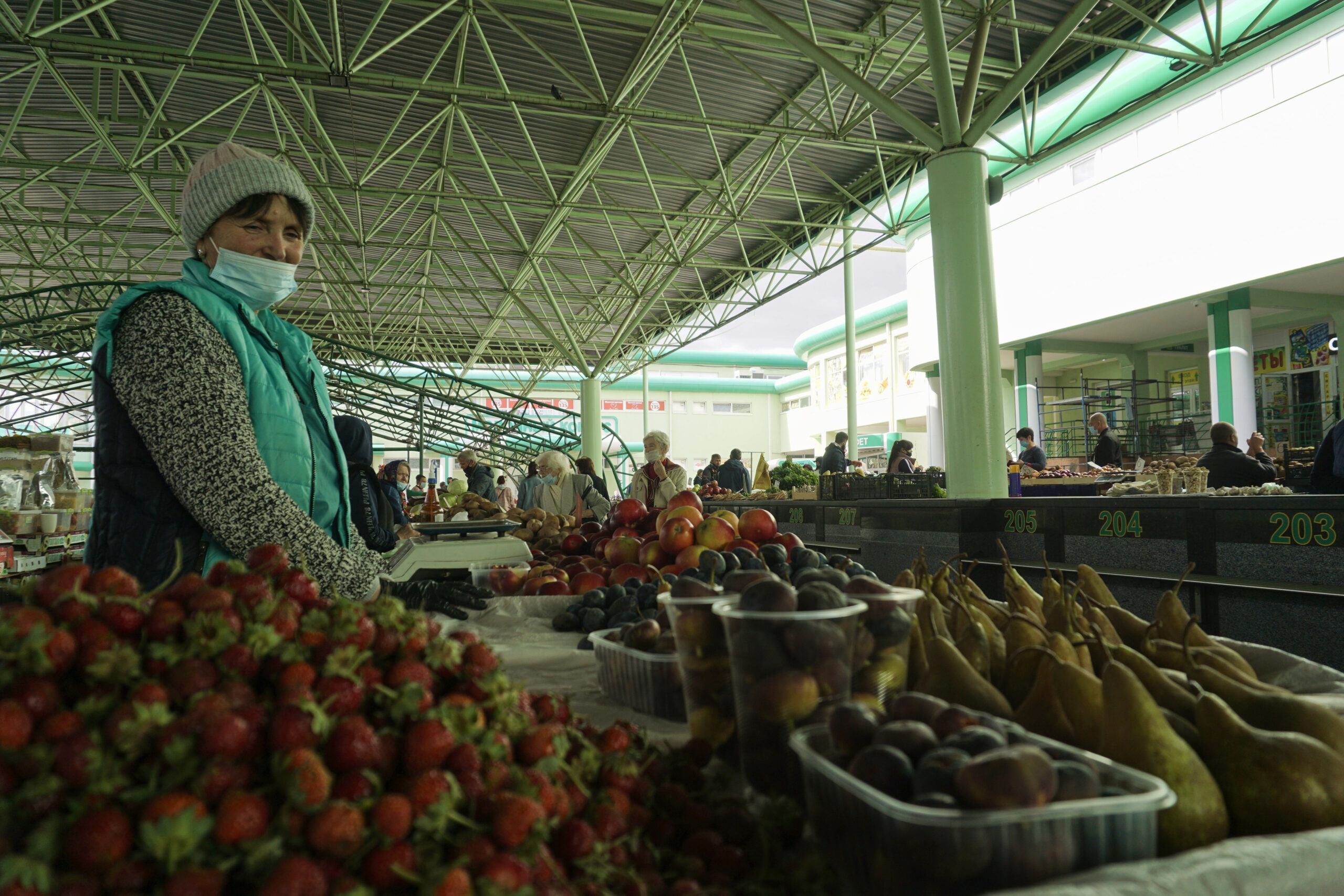
To experience Tiraspol beyond the monuments, wander into the Green Market, where local vendors sell everything from fresh berries and herbs to kvass and pickled cabbage. And to finish your visit with a little buzz, book a tour of the Kvint Brandy Factory, where the region’s most famous export has been produced since 1897. The tour includes tastings of their award-winning brandy, which locals swear is better than cognac.


Bender
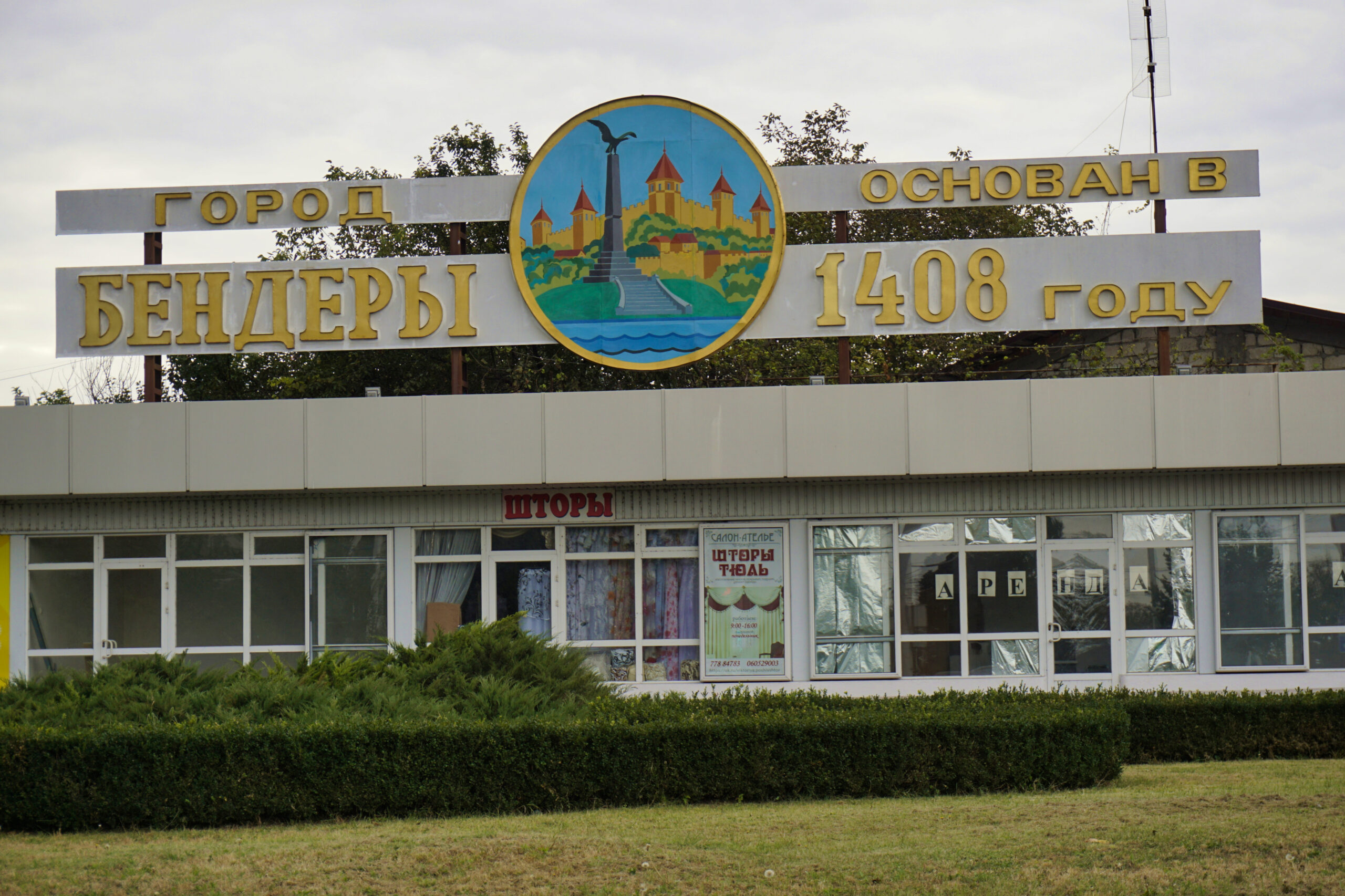
Spelt both Bender and Bendery, it sits on the right bank of the Dniester, meaning it’s located on Moldovan-controlled territory but has been under Transnistrian administration since 1992. The tension still lingers slightly in the air, but so does a sense of quiet resilience.
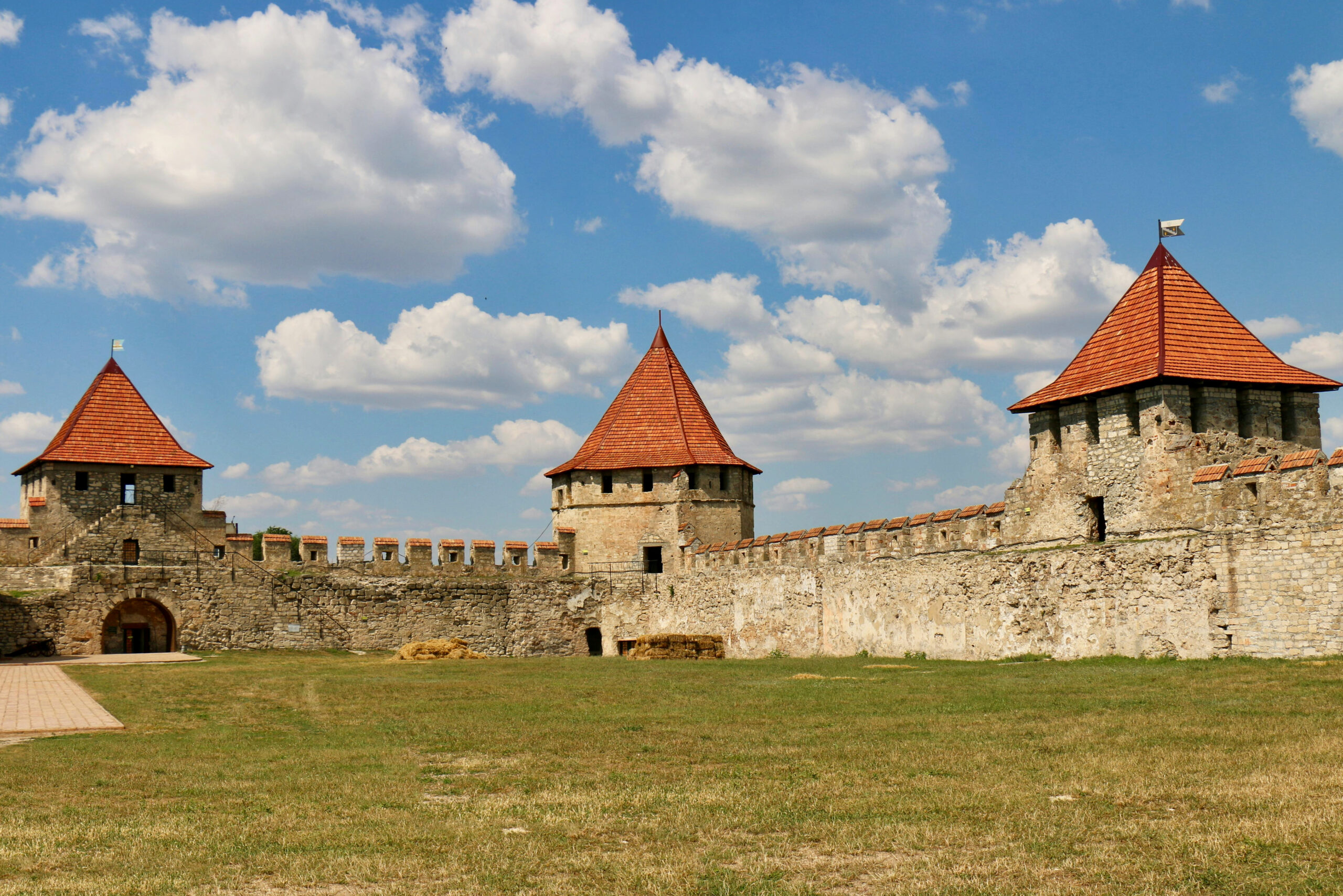
The undeniable highlight of the city is Bendery Fortress, an impressive Ottoman-era structure that predates the Soviet nostalgia by hundreds of years. Built in the 16th century and expanded by various empires over time, the fortress stands proudly on a hill above the river, with thick stone walls, looming watchtowers, and an eerie, timeless atmosphere. You can walk along the ramparts, peek into underground chambers, and explore various exhibits –some focused on the military history, others more on the local legends. Don’t miss the view from the top: it’s one of the best spots to grasp the scale of the Dniester and the curious geography of the breakaway republic.
Just outside the fortress stands yet another Soviet tank and a few military memorials, echoing the strong militaristic identity present throughout the region. The juxtaposition of Ottoman stonework and Cold War-era relics is as strange as it is compelling.
Wander into the town itself, and you’ll find quiet streets lined with low-rise buildings, a few crumbling monuments, and small parks where locals gather in the afternoons. Bender doesn’t try to impress, but that’s part of its charm –it offers a more laid-back, unfiltered look at daily life in Transnistria.
Dubăsari
Once a flashpoint during the 1992 conflict, Dubăsari today feels like a place trying to reconcile its turbulent past with a quieter present. Located along the Dubăsari Reservoir, this modest city blends the starkness of Soviet residential blocks with Russian-backed developments. The town still bears subtle scars of the conflict: bunkers hidden behind overgrowth, small memorials, and a cautious stillness that lingers in the air. But there’s also a surprising tranquility here, especially by the reservoir, where locals fish or stroll along the banks in the late afternoon.
It’s not a must-see on a short trip, but for those diving deeper into the region, Dubăsari offers insight into both the human cost of the past and the resilience of everyday life.
Chitcani
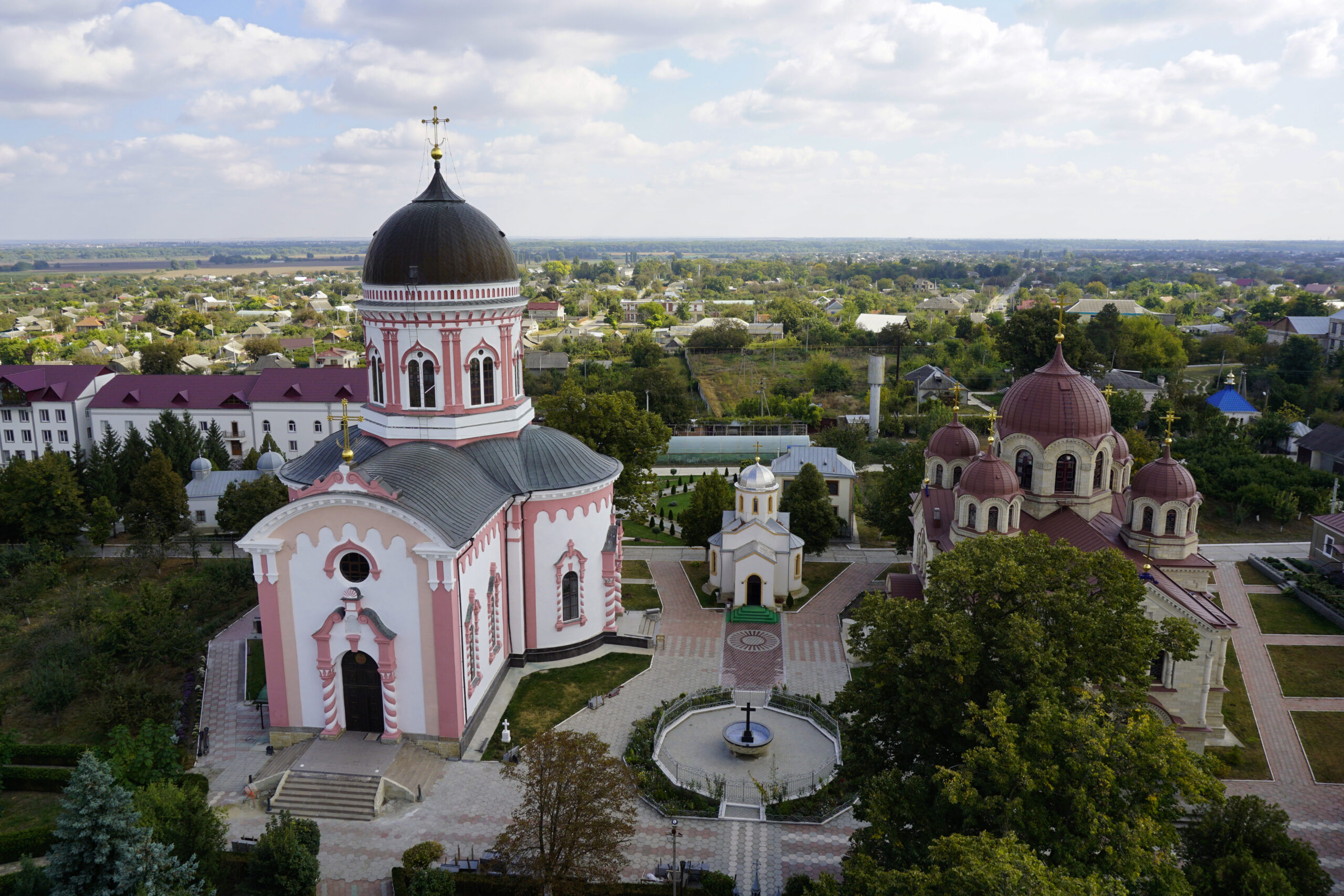
Just a short drive from Tiraspol lies Chitcani, a small village best known as the home of the Noul Neamț Monastery, a spiritual and architectural highlight of the region. This Orthodox complex dates back to the 19th century, built by monks who fled Romania after secular reforms closed many religious institutions there. Its connection to the original Romanian Neamț Monastery is a testament to the intertwined histories of Moldova, Romania, and this breakaway territory.
The monastery still functions today and welcomes visitors with its peaceful grounds, towering bell tower, and beautifully frescoed churches. You’ll likely see monks going about their daily routines, and you might even hear the soft hum of chanting during services. Despite being under Transnistrian control, the monastery follows the Romanian Orthodox Church, adding a fascinating layer to the region’s complex identity.
Grigoriopol
The town still operates around the remnants of kolkhoz, or collective farms, where agriculture continues to be the backbone of the local economy. Walking its streets, you’ll see weathered apartment blocks and Ladas parked beside crumbling curbs, with elderly residents gathered in small groups sharing stories in Russian. The standout landmark here is the Silver Lenin, a rare and striking statue that gleams with metallic sheen, offering a surreal contrast to its modest surroundings. It’s one of the most unique tributes to the Soviet leader in the region.
Grigoriopol may not be packed with sights, but its lived-in authenticity and frozen-in-time charm make it a rewarding detour for travelers interested in everyday life behind Transnistria’s rural curtain.
Rîbnița
Located in the far north of the territory, Rîbnița stands as Transnistria’s industrial heart, an unpolished city defined by its sprawling steelworks and concrete-heavy cityscape. Dominated by the Rîbnița Metallurgical Plant, one of the largest employers in the region, the city hums with the rhythm of factory life. The skyline is marked not by church spires or scenic rooftops, but by smokestacks and massive industrial complexes that recall the full force of Soviet-era production planning.
It’s not a place that caters to tourists, nor does it try to be. Instead, it offers a raw look into the economic machinery that helps sustain the breakaway republic, making it fascinating for those curious about the region’s self-sufficiency and post-Soviet economic survival. There’s also a Soviet war memorial and a large Orthodox cathedral, standing as quiet reminders of the city’s layered identity amid the industrial grit.
Cioburciu
Nestled close to the Dniester River, Cioburciu is where Transnistria’s natural beauty and rural traditions meet in quiet harmony. This sleepy village offers a gentler, more pastoral side of the territory, with dirt roads winding past small homes adorned with vines and faded blue shutters. Traditional Moldovan architecture can still be spotted here, and the pace of life is noticeably slow, dictated by farming seasons and community routines. The surrounding landscape is lush and inviting, ideal for peaceful walks, riverside picnics, or simply watching village life unfold. While there are no grand monuments or busy streets, Cioburciu’s charm lies in its simplicity, it’s the kind of place where friendly locals can tell you more about the region than any guidebook could.
A surreal tour of Transnistria
I also took a tour offered by Like Home Hostel, not just to reach places I couldn’t access on my own, but to have a local by my side –someone I could ask the tough questions that you simply don’t throw at strangers on the street in a place like this. It turned out to be more of an experience than I expected: a journey into the forgotten, the forbidden, and the just plain bizarre.
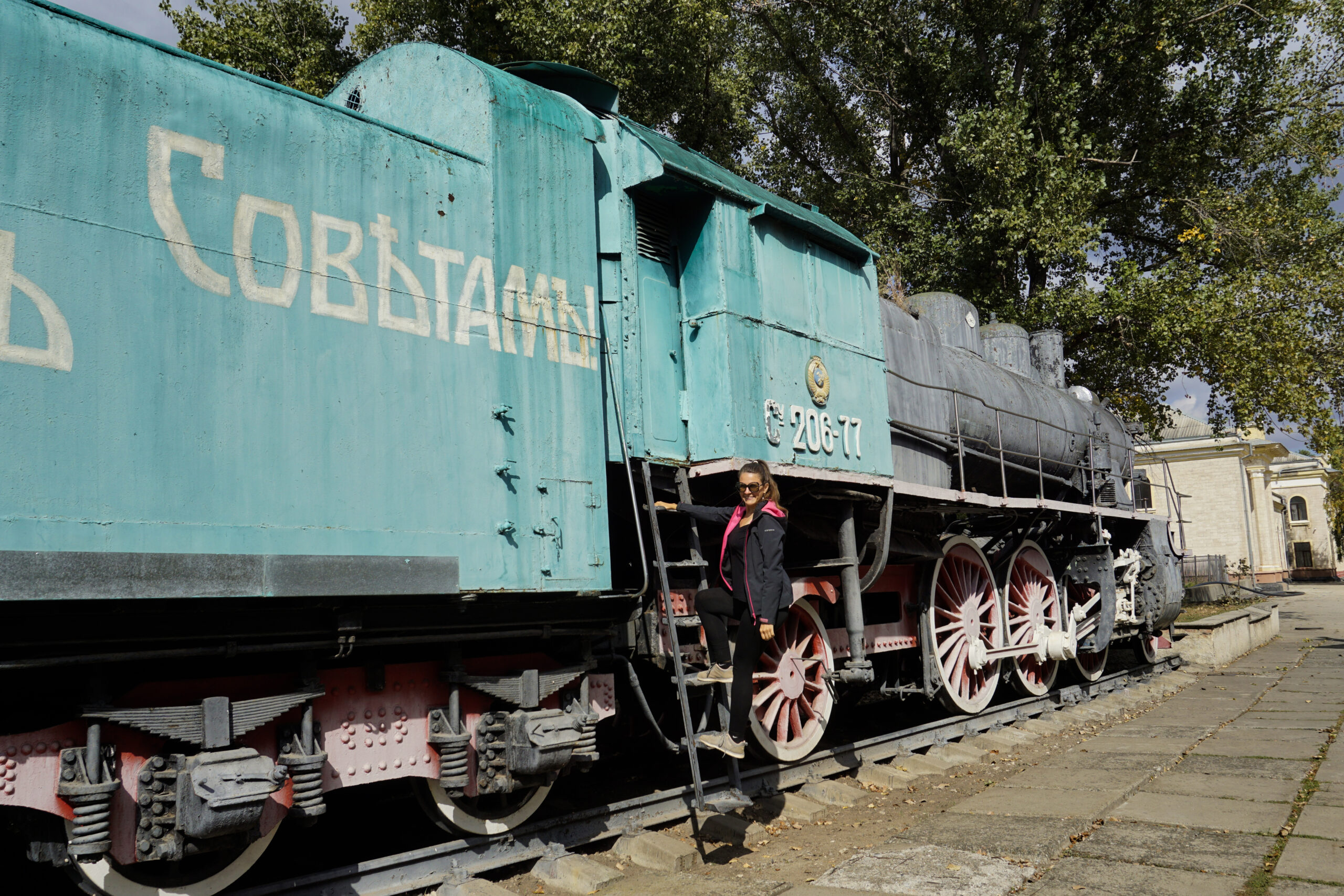
The tour started in the Noul Neamț Monastery in Chitscani, followed by a quick stop in the ghost train station of Bender, left to decay since the early 1990’s. Next came a stop at an abandoned amusement park, where all I could picture was Pripyat, followed by an even eerier visit to a school shuttered since 1995, where empty classrooms don’t just whisper of the past, they echo its abrupt end.
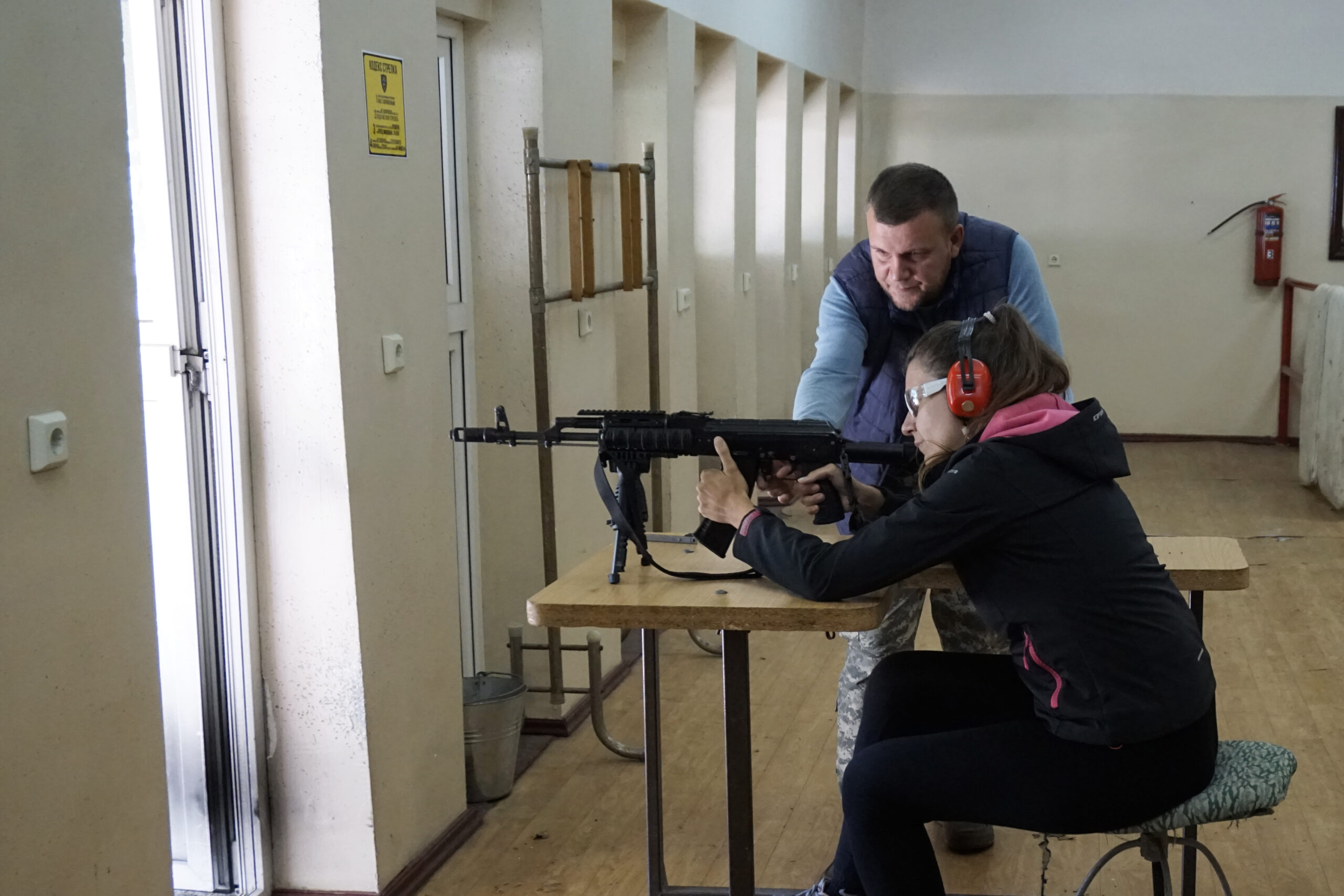
As fascinating as it was to walk around ferris wheels, broken test tubes, and faded Lenin posters, the most striking stop was in a former Soviet military base, where –unbelievably– we got to fire a real Kalashnikov rifle, adding a sense of surrealness to the already peculiar trip. For the equivalent of just a few cents you can buy bullets for an array of guns and, under supervision, you get to fire away at the shooting range. I picked the AK-47 since it felt like the most “on-theme” choice. What can I say? The whole thing was absolutely wild.
Disclaimer: While firing weapons at a Soviet-era military base may sound like a thrilling experience, it’s important to note that this activity is supervised and occurs in a controlled environment. This experience is not intended to glamorize violence, but rather to offer a unique and surreal glimpse into Transnistria’s complex situation.



Life in Transnistria
Traveling to places like Transnistria makes me reflect about the meaning of borders. This isn’t just a frozen conflict or a geopolitical oddity, it’s home to hundreds of thousands of people trying to live ordinary lives in an unrecognized state. What struck me most wasn’t the feeling of visiting the USSR or the surreal tour stops, it was the quiet resilience of a place that continues to exist, despite the world pretending it doesn’t.
Daily life in Transnistria is not shaped by Soviet nostalgia, but by the practical difficulties of living in a region that lacks international recognition. While people go about their lives much like anywhere else –working, shopping, and socializing– there are unique challenges that come with Transnistria’s status as a self-proclaimed republic.
Citizenship and Demographics
Transnistria has its own passport, but since the region is not internationally recognized, these documents hold little value outside its borders. To navigate this limitation, most residents also carry passports from Moldova, Russia, or Ukraine, allowing them greater mobility and access to services. Moldovan citizenship is particularly common, as it enables visa-free travel within the European Union, while Russian citizenship provides stronger ties to the country that politically and economically supports Transnistria.
The population of Transnistria is estimated to be well under 500,000, and numbers have been declining due to emigration and economic challenges. The region is ethnically diverse, with Moldovans, Russians and Ukrainians at around 30% each. Smaller communities, including Bulgarians and Gagauz, also contribute to the area’s cultural landscape.
Most Transnistrians are well aware that their homeland is not officially recognized by the international community. For some, this is a point of frustration, as it limits travel, banking options, and business opportunities. Others, however, have embraced the region’s identity, seeing themselves as independent from Moldova and closely aligned with Russia.
A significant issue in Transnistria is statelessness. Many people living in the region do not hold recognized citizenship from any country, making travel, employment, and legal matters more complicated. While official figures suggest that over a thousand individuals are stateless, the actual number could be higher due to bureaucratic and registration challenges.

Economy
The country is not socialist, regardless of the ubiquitous Soviet symbols. The current President dreams of a monarchy, Russian Empire style, and the economy is very much capitalist, with most of the industries having been privatized in the 1990’s. Many refer to the government as a mafia state, with its economy frequently described as dependent on contraband and arms trafficking –informal trade and smuggling have long been rumored to play a role in keeping the economy afloat, as the region’s uncertain legal status allows for certain gray-area business activities.
Transnistria also has industrial production, particularly steel manufacturing, textiles, and electricity exports. However, its lack of recognition limits access to global markets, leading to reliance on Russia for economic support. A key player in the local economy is Sheriff, a powerful business conglomerate that owns supermarkets, gas stations, media outlets, and even the region’s most famous football club, FC Sheriff Tiraspol.
Freedom of Speech
While Transnistria presents itself as a functioning democracy, political freedoms are restricted. The government maintains tight control over the media, and opposition voices often face obstacles when trying to express dissent. Journalists and activists who criticize the authorities risk intimidation or other consequences, leading many to self-censor. Although residents can discuss everyday issues freely, public criticism of the government or leadership can have repercussions.
Current Political Situation
Transnistria operates as a semi-presidential republic with its own government, army, and institutions, but it remains heavily reliant on Russia. Moscow provides financial aid, subsidized energy, and political backing, ensuring the region’s survival despite its international isolation.
However, the ongoing war in Ukraine has complicated this relationship. While Transnistria has not been directly involved in the conflict, its proximity to Ukraine and the presence of Russian troops within its borders have raised security concerns. Economic pressures have also increased due to disruptions in trade routes and a reduction in Russian energy supplies, leading to occasional power shortages and financial instability.
The main political party, Obnovlenie, signed an agreement of cooperation with ‘United Russia’, Vladimir Putin’s party. The tie is so close that when elections come, their candidates use the ‘United Russia’ emblem instead of their own. Such a particular thing to witness!
Despite these challenges, life in Transnistria carries on. Markets remain busy, schools function as usual, and people find ways to adapt to the region’s unique circumstances. Some dream of closer ties with Russia, while others quietly hope for reintegration with Moldova. But for now, Transnistria remains in political limbo –its past frozen in time, its future uncertain.

FAQ / AT A GLANCE
No, Transnistria does not require a visa. Upon arrival you’ll receive a migration card valid for the time you ask for, up to 45 days. Border control will require a hotel reservation for the duration of your stay, though. If you want to extend your visa you can do it free of charge at the Migration Office in Tiraspol (Strada Rosa Luxemburg 66).
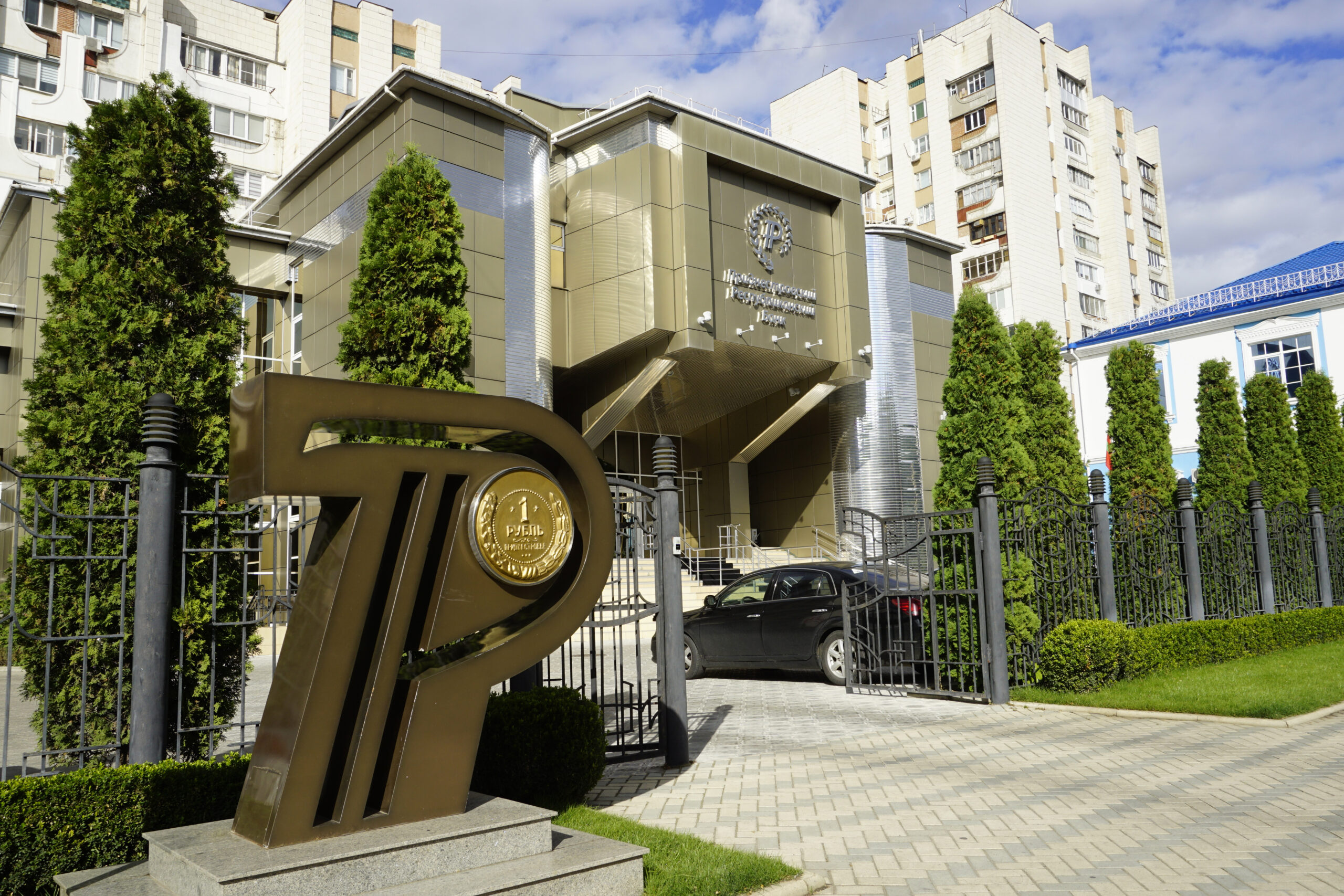
Transnistria has its own currency, the Transnistrian ruble (PRB), which is not recognized outside the region. It comes in both paper banknotes and unique plastic coins. There are ATMs and banks, but they only dispense Transnistrian rubles. International bank cards do not work in Transnistria due to its unrecognized status, so it’s essential to bring cash (USD, EUR, or Russian rubles) and exchange it at local banks or currency exchange offices.
The easiest way to reach Transnistria from Chișinău, Moldova’s capital, is by marshrutka (shared minibus). These depart frequently from the Central Bus Station and take about 1.5–2 hours to reach Tiraspol, the capital of Transnistria. You can also take a taxi for a more comfortable ride. Or a train for a more sustainable one, albeit much slower.
If you’re short on time you can visit as a day trip with a tour from Chișinău, but I recommend at least 2–3 days to see both the major sites and the quieter villages.
The best base for exploring Transnistria is Tiraspol, the capital. The most popular option among travelers is Like Home Hostel, known for its welcoming vibe, helpful owners (who also run tours), and convenient location. If you’re looking for something more upscale, City Club Hotel offers a comfortable yet affordable stay with a restaurant and a spa. Budget hotels and Soviet-era guesthouses are also available in Tiraspol and Bender, but keep in mind that outside the main cities accommodation options are very limited, so it’s best to plan day trips rather than overnights in the villages.
Yes, Transnistria is generally safe for tourists. The region has low crime rates, and visitors are unlikely to face any issues if they follow local laws and respect authorities. However, because Transnistria is an unrecognized state with a strong Russian military presence, political tensions can exist. It’s best to avoid discussing sensitive topics like independence, Moldova, or Russia-Ukraine relations.
While it’s fine to take photos in most places, there are restrictions on photographing certain government buildings, military sites, and border checkpoints. If in doubt, it’s best to ask permission before snapping a picture.
The most commonly spoken languages are Russian, followed by Romanian (Moldovan dialect) and Ukrainian. In hotels and some tourist spots, you may find English-speaking staff, but learning a few basic Russian phrases or using a translation app is helpful.
Transnistria has its own telecom network, so international SIM cards may not work properly. Wifi is available in hotels, cafes, and some public places, but connections may not be as fast or reliable as in Moldova. You can buy a local SIM card from the provider Interdnestrcom (IDC).
Absolutely! Transnistria offers a unique travel experience. Whether you’re fascinated by post-Soviet republics, enjoy unconventional destinations, or simply want to see a place frozen in time, Transnistria is a compelling destination that feels like stepping into a living history book.
Regardless of the academic-sounding title, The Status and Recognition of Post-1992 Transnistria by Richard Colbey offers a surprisingly accessible and engaging take on the future of the ‘country’, while ‘Unrecognized States: The Struggle for Sovereignty in the Modern International System’ by Nina Caspersen gives a broader context that helps make sense of Transnistria’s place in the world. A much lighter read is Biking Broken Europe, where Steven Primrose-Smith follows a quirky cycling journey through all of Europe’s breakaway territories, including Transnistria. There’s no travel guide dedicated solely to the area, but Lonely Planet Eastern Europe includes useful info about Moldova and the region. A good online resource offering maps, itineraries, and practical details is Pridnestrovie’s tourism board website.
Transnistria may not exist on most maps, but it’s very real to those who live there, and to those of us curious enough to cross its border. From Soviet nostalgia to geopolitical anomaly, it offers a truly unique travel experience unlike anywhere else in Europe. Whether you go for the history, the unconventional adventure, or simply to see what life looks like in a state that isn’t officially a state, Transnistria will leave you questioning where the past ends and the present begins.
WHAT TO READ NEXT?
- Geopolitics of Travel: insights beyond what the media portrays
- Traveling back in time to Chernobyl: exploring Pripyat and the ghosts of the USSR
- Travel to Saint Petersburg, Russia: a guide through a love letter
- Azerbaijan: exploring beyond the petrodollar-sponsored grandeur
- Does your place of birth determine who you are? A reflection on tourism, migration, and globalization
- Best of Armenia, from the Pink City to stunning monasteries
- The ULTIMATE Travel Experiences Bucket List
- Travel resources: the best travel tips and tricks
Liked it? Want to read it later? Pin it!

Enjoyed what you read? A lovely way to show appreciation is by buying me a coffee.
Your support keeps the stories, guides and geopolitical insights coming. Thank you so much!


Transnistria has been on my radar for a while—it sounds like one of the most surreal and fascinating places in Europe. I’d love to explore Tiraspol and Bender, and experience that strange mix of Soviet nostalgia and modern life. Thanks for the clear info on visas, currency, and safety—it’s super helpful for planning. Definitely saving this for when I finally make it to Moldova and beyond!
Thank you, Agnes! You summed it up perfectly —that surreal blend of Soviet nostalgia and everyday life is exactly what makes Transnistria so intriguing. I’m really glad the practical tips were helpful, and I hope you get to visit soon!
This is a very cool review! I’ve never heard of this place and thanks for the visa info, which is very helpful and hopefully I can visit there someday!
Thank you so much, Jessica! I’m so glad you found it helpful —it’s definitely an off the beaten path destination, but a fascinating one to explore. I hope you get the chance to visit soon!
Wow, what a fascinating place. I had no idea it even existed. How lucky to get to explore such a unique place. Amazing and well-researched piece!
Thank you so much for your lovely words, Lindsey! It really is one of those places that surprises you with how complex and intriguing it is. I’m glad the post could shed some light on it —and I do feel lucky to have experienced it firsthand!
Very interesting post. Thank you for sharing your experiences. Full disclosure, I had never heard of Transnistria. I feel completely ignorant and realize more now that I need to broaden my horizons, and you’ve inspired me to do that.
Awww, thank you, Katie! Don’t worry —you’re definitely not alone. Transnistria is one of those little-known places sneakily hidden since it’s not officially on the maps. I’m so glad the post inspired you to explore more —that means a lot!
It was a very interesting read and a really detailed guide that answered a lot of the questions I would have before a visit. Thanks for sharing your experience.
Thanks a lot, Kitti! I’m so happy to hear you think the post is helpful —it’s a destination that raises lots of questions, so I tried to cover as much as possible. Hope you get to visit someday soon!
The term “Transnistria” in relation to Pridnestrovie is a very disgusting insult, literally containing a call for bloody reprisals against the local population and a wish for death for the locals. What did the Pridnestrovians do to you that you feel such hatred towards them?
Thank you for your message, Ivan —I truly appreciate you taking the time to share your perspective. I understand that the term “Transnistria” can carry political and emotional weight, especially when it doesn’t reflect the way locals self-identify with Pridnestrovie. Please know that no offense was ever intended, quite the opposite. My visit was driven by deep curiosity, openness, and respect, and I came away with an admiration for the people, culture, and complexity of the region. That’s why I decided to write such an in-depth article about it.
In the post, I used “Transnistria” because it’s the internationally recognized name and the one most commonly used by travelers, which helps readers discover the article and learn more about a region that is too often misunderstood. That said, I absolutely acknowledge the importance of local self-identification, and I’ve tried to reflect this by referencing Pridnestrovie in the article too.
Again, thank you for highlighting this —I value thoughtful dialogue, and I’m always open to learning more.
Hey there! I just finished reading your post and I have to say, it sounds like such a cool adventure! I’ve been thinking to go and now I can’t wait. It’s awesome that you shared tips on getting around and what to expect with the currency, those details are super helpful for someone like me planning a trip.
I love how you captured the friendly nature of the locals too, it’s always nice to hear that people are welcoming, especially in a place with such a complicated history. This post is not just a travel guide but also an invitation to explore and think about identity in such an interesting spot. Thanks for sharing your experiences!
Thank you so much for your kind words! I’m really glad to hear the post inspired you to have your own adventure in Transnistria —it truly is a fascinating place, both in its history and in how it presents itself today. I tried to include the kind of details I wished I had known before going, so it’s great to know they’re helpful!
And yes, the locals were such a highlight for me too. Despite the complexities of the region, there’s a genuine warmth and openness that makes the experience even more meaningful. I hope your trip is just as enriching! Feel free to reach out if you have any questions along the way. Safe travels and enjoy diving into the layers of identity and history there!