
This article may contain affiliate or compensated links, and may feature complimentary or discounted experiences. All opinions are my own. Please read the Privacy Policy & Disclaimer for more info.
I bet that when you think of Tanzania there are only three destinations that come to mind: Serengeti, Kilimanjaro and Zanzibar. Don’t beat yourself up, it’s what the country promotes, and what most tour agencies offer. But the place is huge, with an area of almost one million km2, so of course there’s a lot more than those destinations.
From different corners of the Usambara Mountains to towns on the shore of the biggest lakes in the continent, Tanzania is full of treasures where you can escape the crowds, embrace the wildlife, and see how the locals truly live.
Usambara Mountains: Forest Trails, Village Life & Hiking in Tanzania’s Eastern Highlands
Tucked between the coast and Kilimanjaro, the Usambara Mountains are a green, undulating range often called the Galápagos of East Africa for their exceptional biodiversity. With cooler air, fertile soil, and sweeping views, this is one of Tanzania’s most rewarding mountain destinations. Though popular with local tourists and a few intrepid hikers, the area remains largely overlooked by international visitors.
Why it’s off the beaten path
Despite being well-connected by road to Dar es Salaam, Tanga, Moshi and Arusha, the Usambaras are rarely included in classic safari itineraries. Most travelers skip past them, but for those seeking fresh mountain air, long hikes through villages and farmland, and a closer look at rural Tanzanian life, this region offers a different kind of journey.
What to do in the West Usambaras
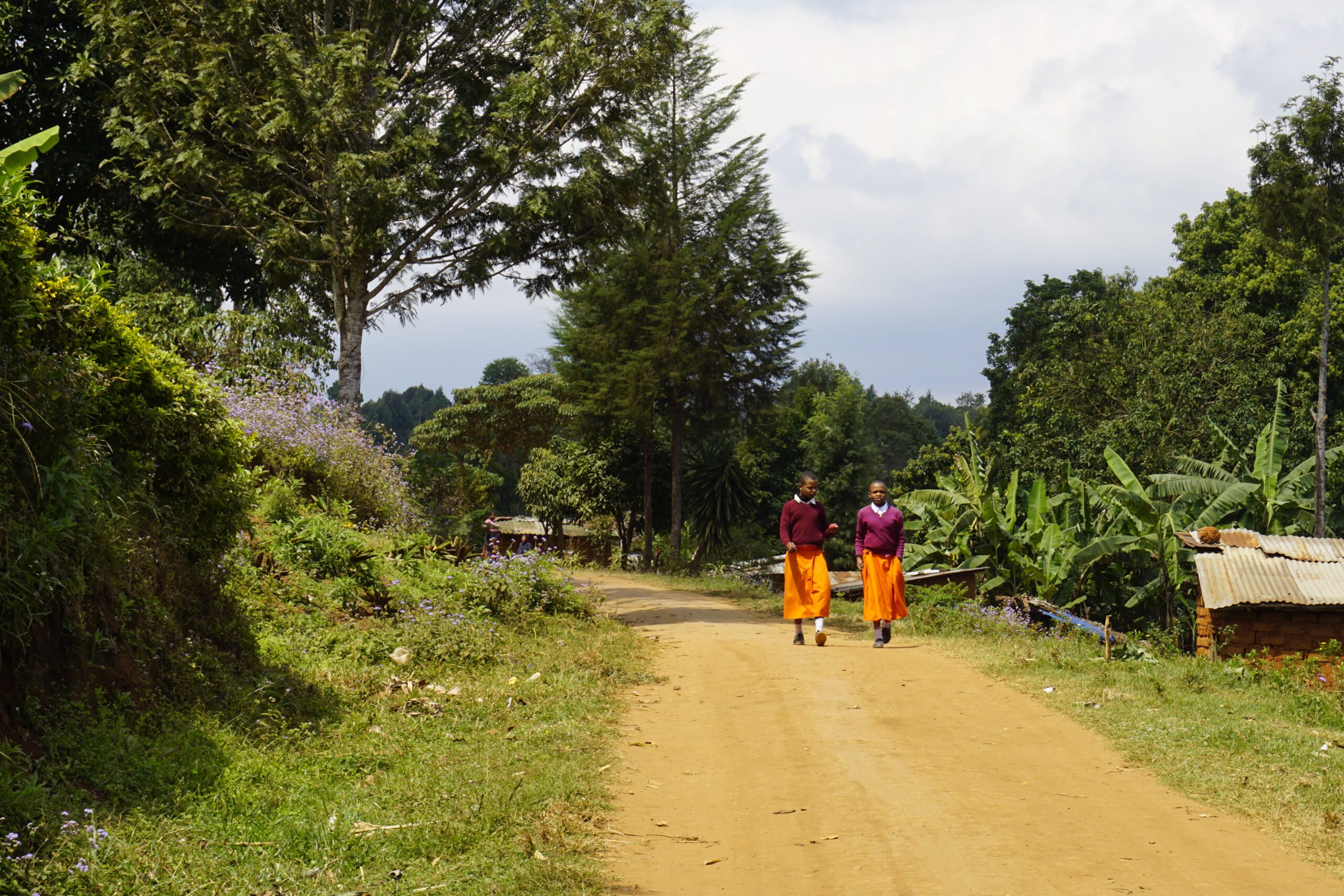
The West Usambaras are the most accessible, and Lushoto makes a convenient base for exploring the area. Surrounded by misty hills, Lushoto offers easy access to places like Irente Viewpoint and Kisasa Waterfall, as well as local markets and village walks. David Crater Homestay is a warm and welcoming place to stay, with home-cooked meals and help organizing hikes.
For travelers who want to go further into the mountains, Mambo is a quiet village perched high above the valleys. It’s a place to disconnect, with a stronger sense of remoteness. Mambo View Point Eco Lodge sits on a hilltop and is deeply involved in the community. Days here can be filled with forest hikes, meetings with village elders or healers, or even short safaris in nearby parks.
It’s important to note that the West Usambaras are heavily populated, and the forest is patchy. Hiking here means passing from cultivated fields into groves of trees and back again. It’s a living landscape, shaped by agriculture and community life, not untouched wilderness.
What makes the East Usambaras so special
By contrast, the East Usambaras are far less developed and sparsely inhabited. This part of the range feels wild, still protected from the pressures of mass tourism. It’s for those who love walking quiet forest paths, sipping spiced tea, and sleeping in silence broken only by birds and insects. I actually debated whether to write about it, because I really want it to stay wild. But I guess that if you’re reading about Tanzania off the beaten path is because you have a similar mindset, so you’ll appreciate the advice, and care for the place.
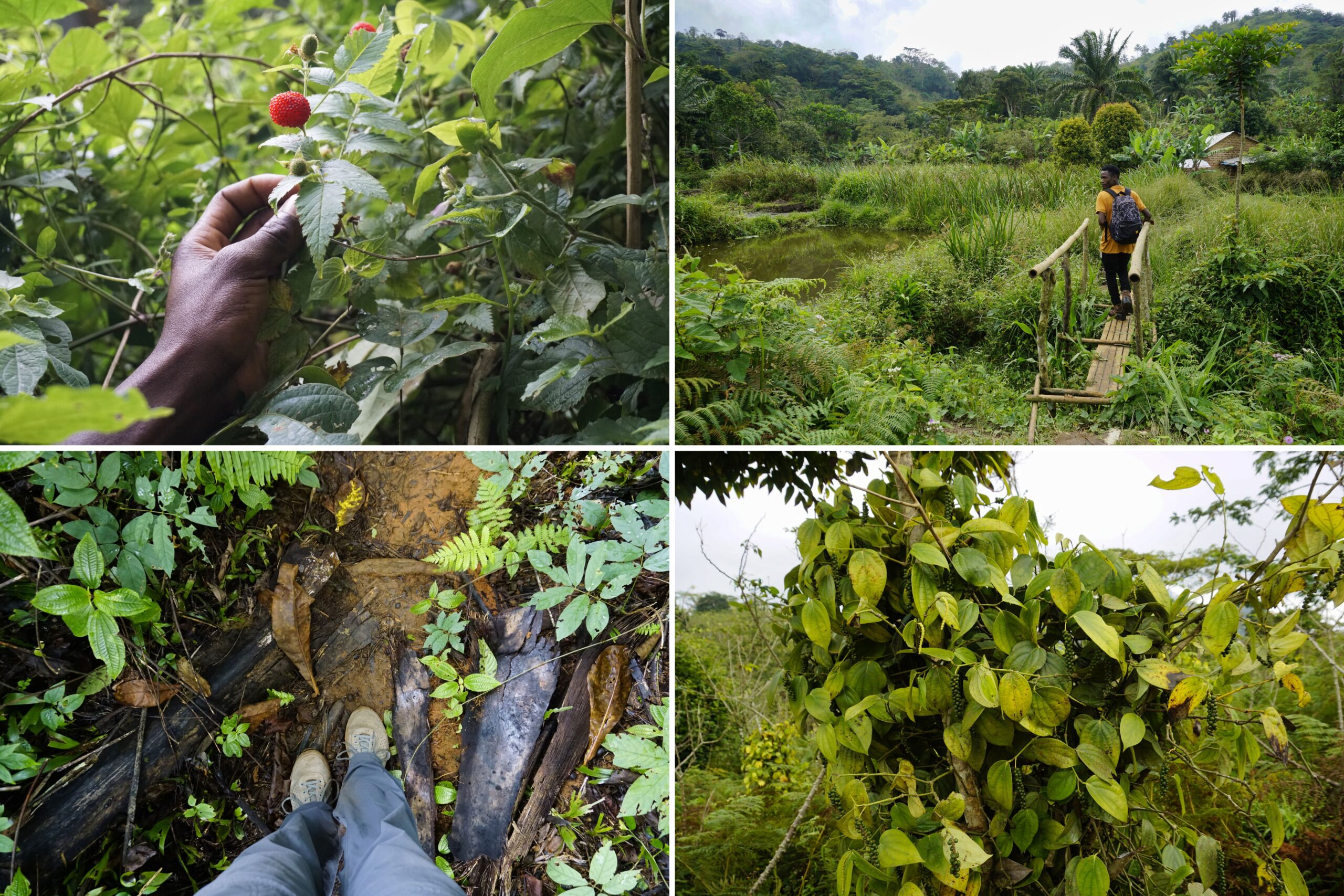
Most guides will send visitors to the Amani Nature Reserve, which is certainly beautiful and well maintained. But for a more immersive experience, head to Magaroto Forest, where hills are covered in jungle-like rainforest and crisscrossed by narrow paths used by locals. These double as hiking trails, offering endless options for exploring.
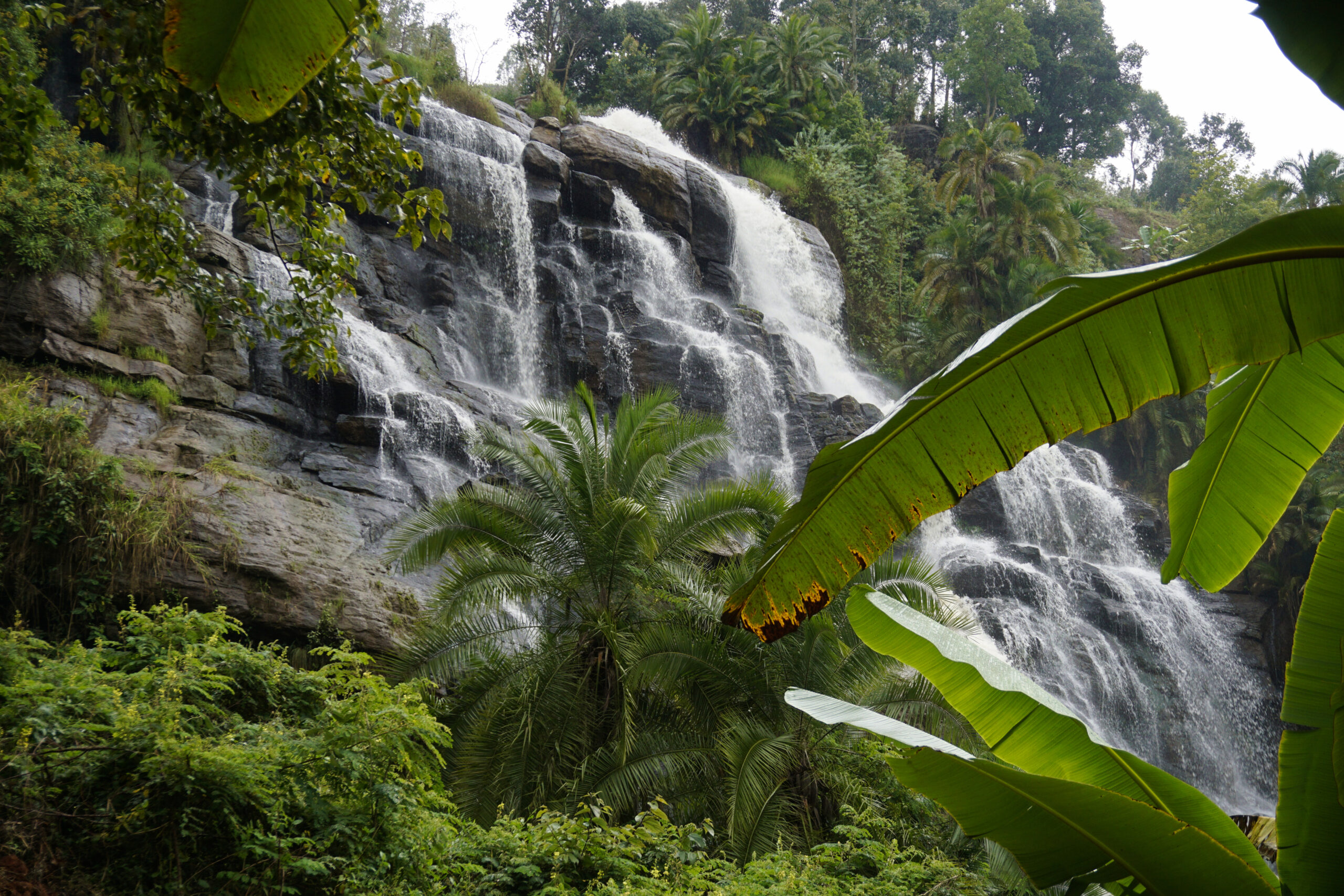
You can stay in Magaroto Forest Estate, glamping on the shores of a small lake, or go a little higher to Mathias Cabins –a few simple cottages at the top of a quiet hill. Both options include meals and local-guided activities. I stayed at Mathias’ place, and spent days walking to the lake and waterfalls, learning about the spices that grow in the wild, and reconnecting with nature in its most genuine form.
How to get there & travel tips
Lushoto is well served by direct buses from major cities. From there, local transport or private transfers can take you deeper into the mountains.
To reach the East Usambaras, it’s easiest to first get to Muheza, and arrange onward travel toward Magaroto on a local boda boda (motorcycle taxi) –it’s a slightly terrifying 45-minute ride on a dirt road, but absolutely worth it!
Pack for hiking and bring layers –the weather can shift quickly in the mountains. If you plan to visit the East, consider booking accommodation in advance, especially in places with limited in capacity.
Why it’s worth the effort
The Usambaras offer more than scenery. They invite you into a slower rhythm, one shaped by foggy mornings, community life, and paths that twist through farmland and forest. Whether you stay close to Lushoto or escape into the rainforests of the East, this is a place where nature and culture meet quietly, without show.
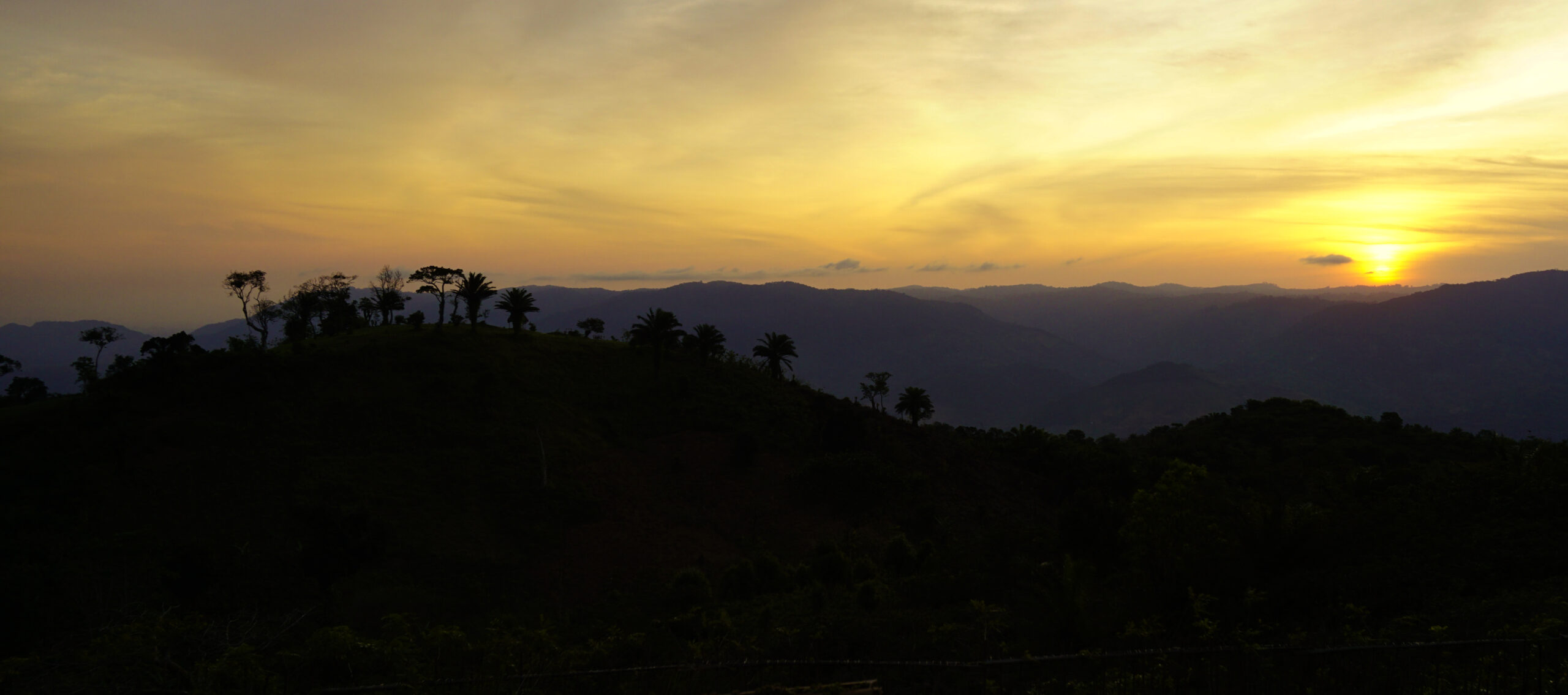
Gombe, Mahale & Lake Tanganyika: Remote Rainforests & Chimpanzee Trekking in Western Tanzania
On the far western edge of Tanzania, where rainforest-covered hills meet the calm, deep waters of Lake Tanganyika, two national parks offer one of the most remote and intimate wildlife experiences in East Africa: Gombe Stream and Mahale Mountains. Surrounded by forest and accessible only by boat, these parks feel completely disconnected from the rest of the country –and that’s part of the magic.
Why it’s off the beaten path
Reaching this region takes time and patience. There are no direct roads, and most travelers never make it this far west unless they’re also venturing into Burundi, just across the lake. I took an endless bus ride from Mbeya (via Sumbawanga) to Kigoma, and then an equally long train ride back to Dar es Salaam. Both greeted me with what locals call an African massage –a very bumpy road. They were exhausting journeys, but they added to the adventure of reaching somewhere truly remote.
Once in Kigoma, perched on the edge of Lake Tanganyika, you’ll need to continue by boat or charter flight. The extra effort pays off: even in peak season, you’ll encounter more fishermen than fellow travelers. It’s one of the few places in Tanzania where you can spend hours immersed in nature without seeing another tourist.
RELATED POST → Train Across Tanzania: Crossing the Country (Twice) by Railway
What to do in Gombe and Mahale National Parks
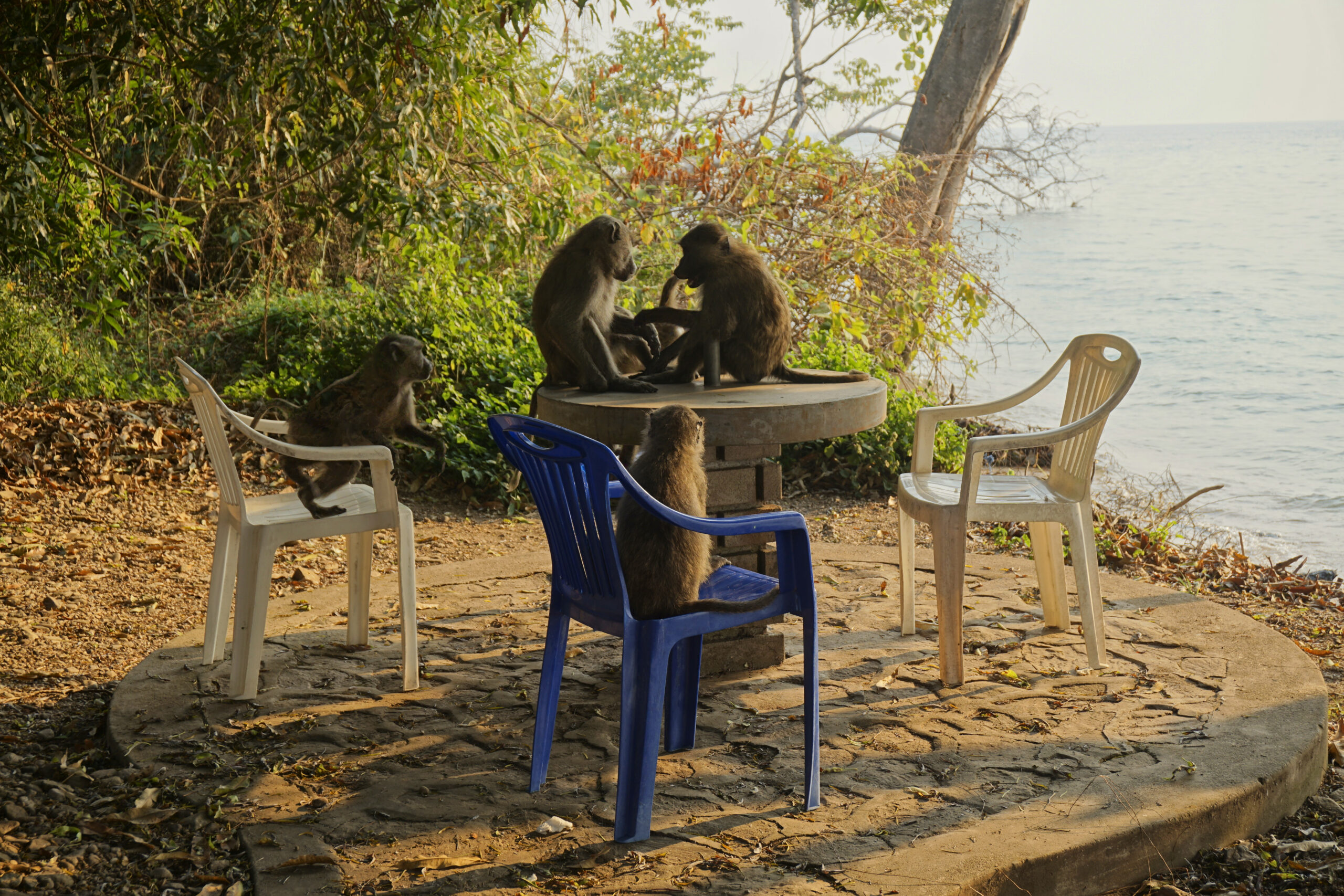
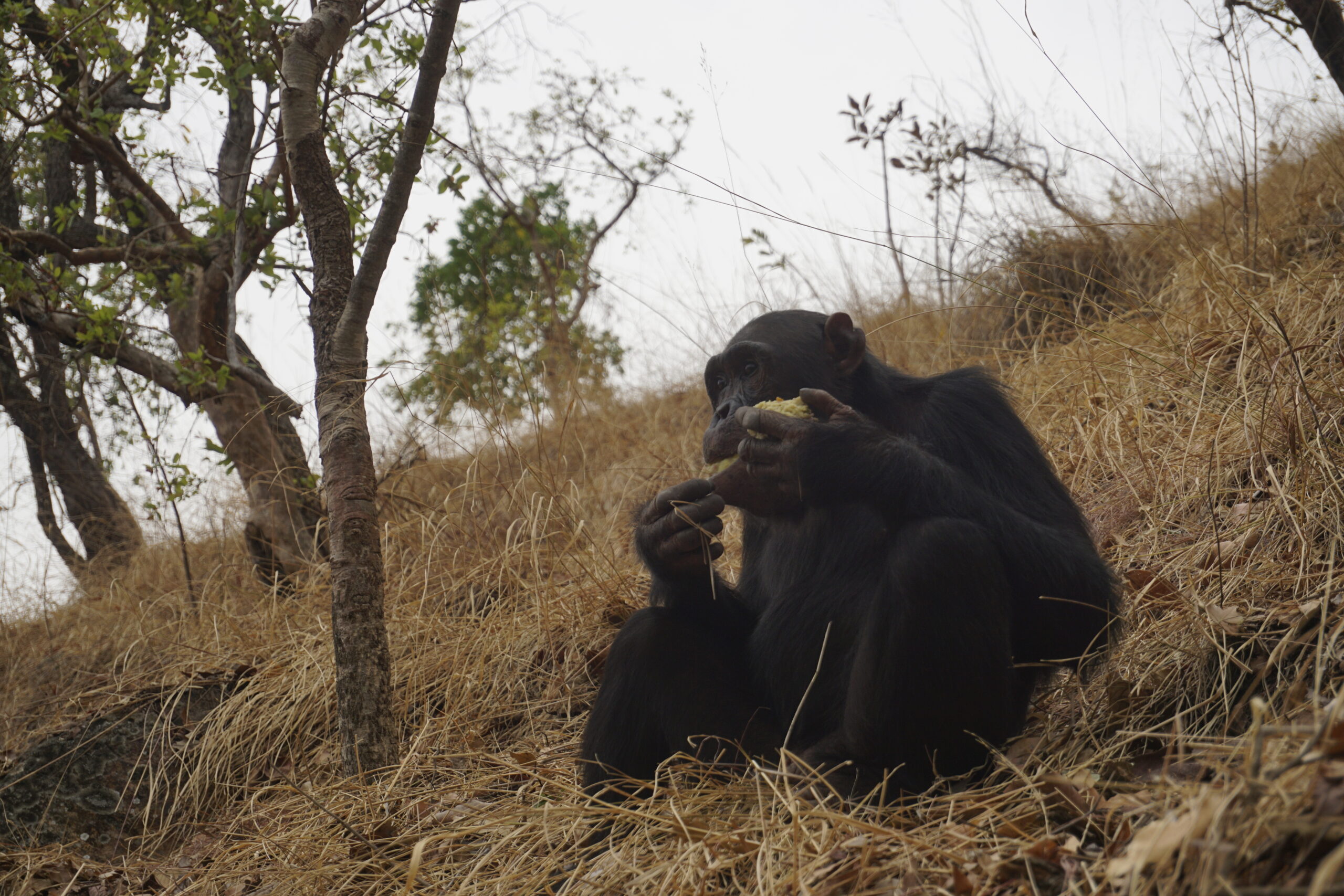
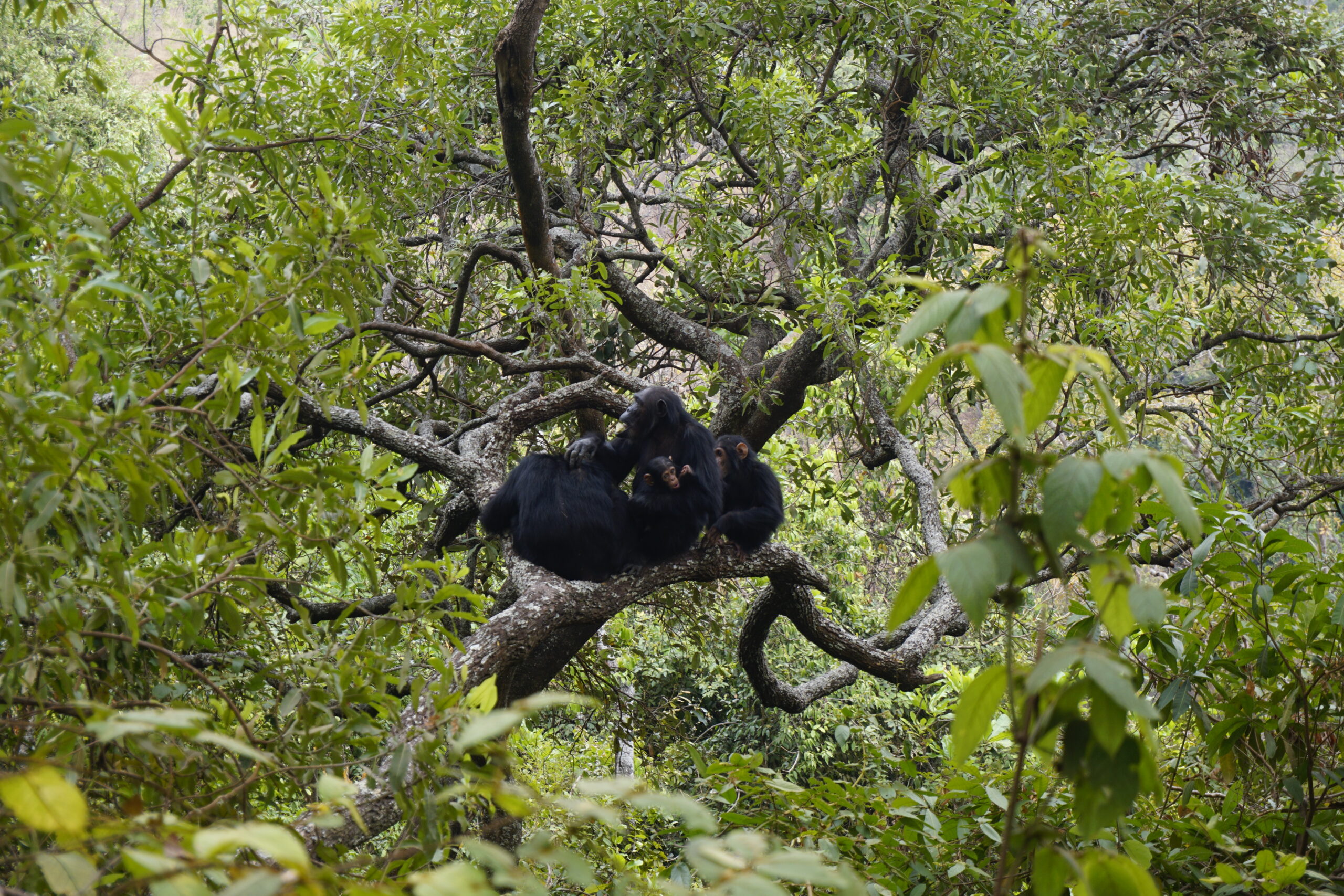
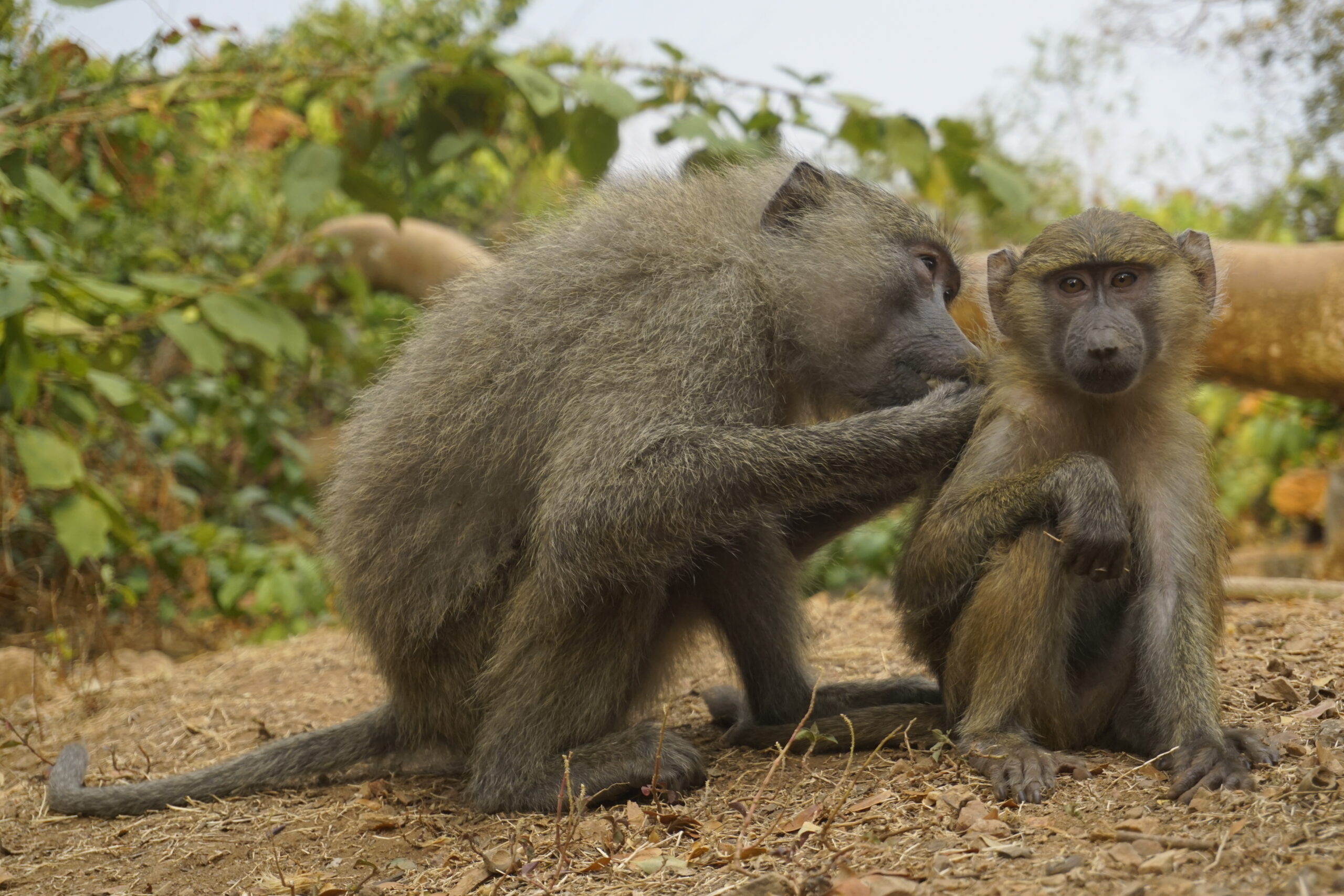
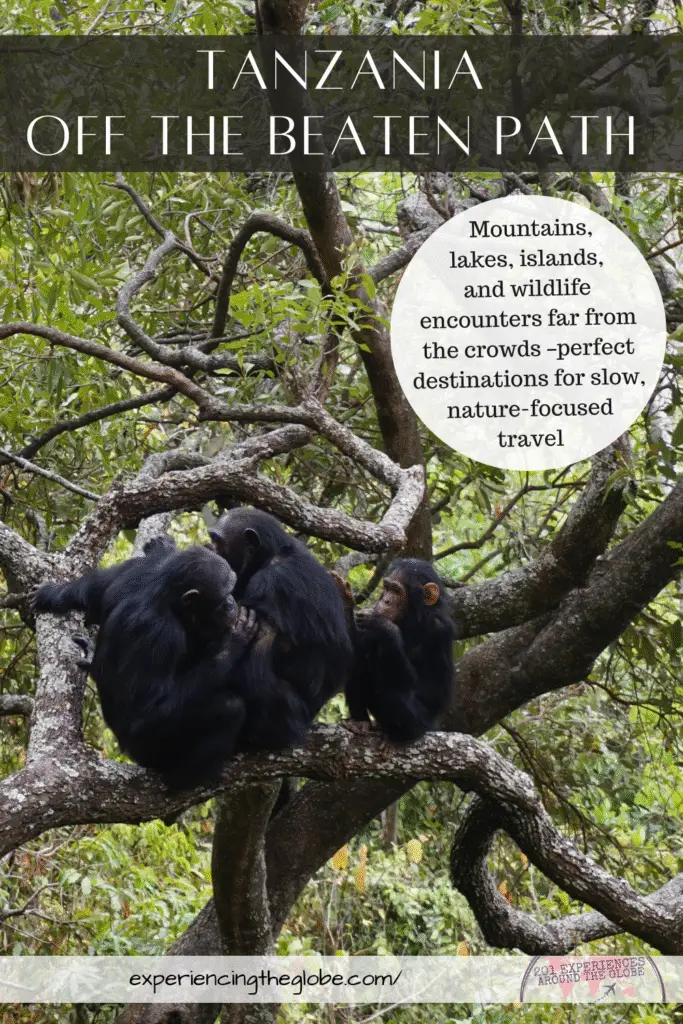
These parks are among the best places in Africa to observe wild chimpanzees. In Gombe, the forest where Jane Goodall began her pioneering research in the 1960s, is possible to trek with local guides to find the very chimp families she once studied. The experience is quiet and intense. You move slowly on steep trackless hills, guided only by the forest’s sound, pass baboon families, until a rustle in the branches reveals a face that looks uncannily human.
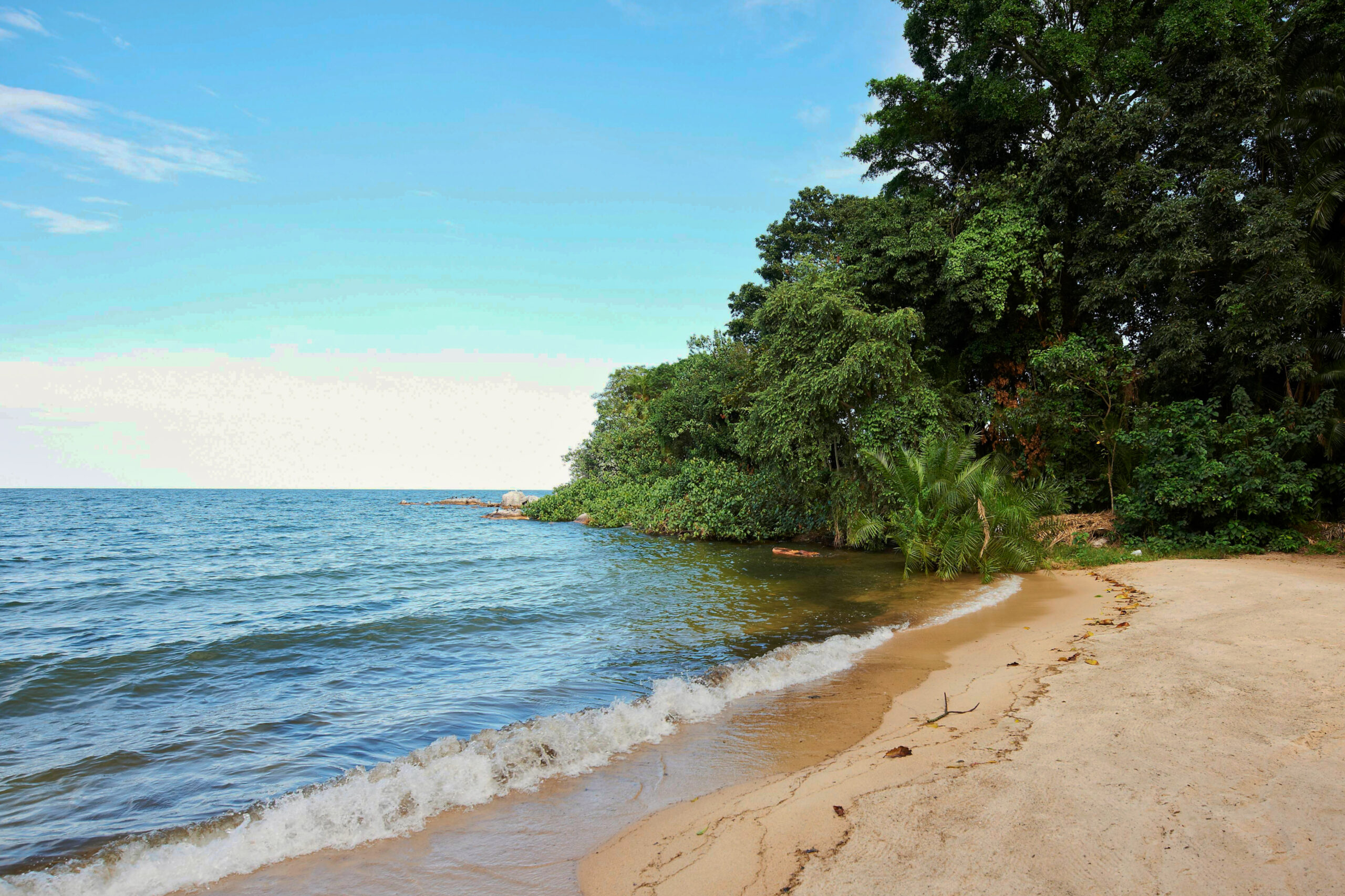
Mahale offers a similar experience, but in a much larger and more dramatic setting. Its steep, forested mountains plunge directly into the lake, and its beaches look like they belong on a tropical island. The chimpanzees here are also well habituated, and the forest is alive with colobus monkeys, butterflies and birds. Between hikes, you can swim in the lake’s clear waters or sit by the shore with nothing but silence for company.
Exploring Lake Tanganyika: Tanzania’s Inland Sea
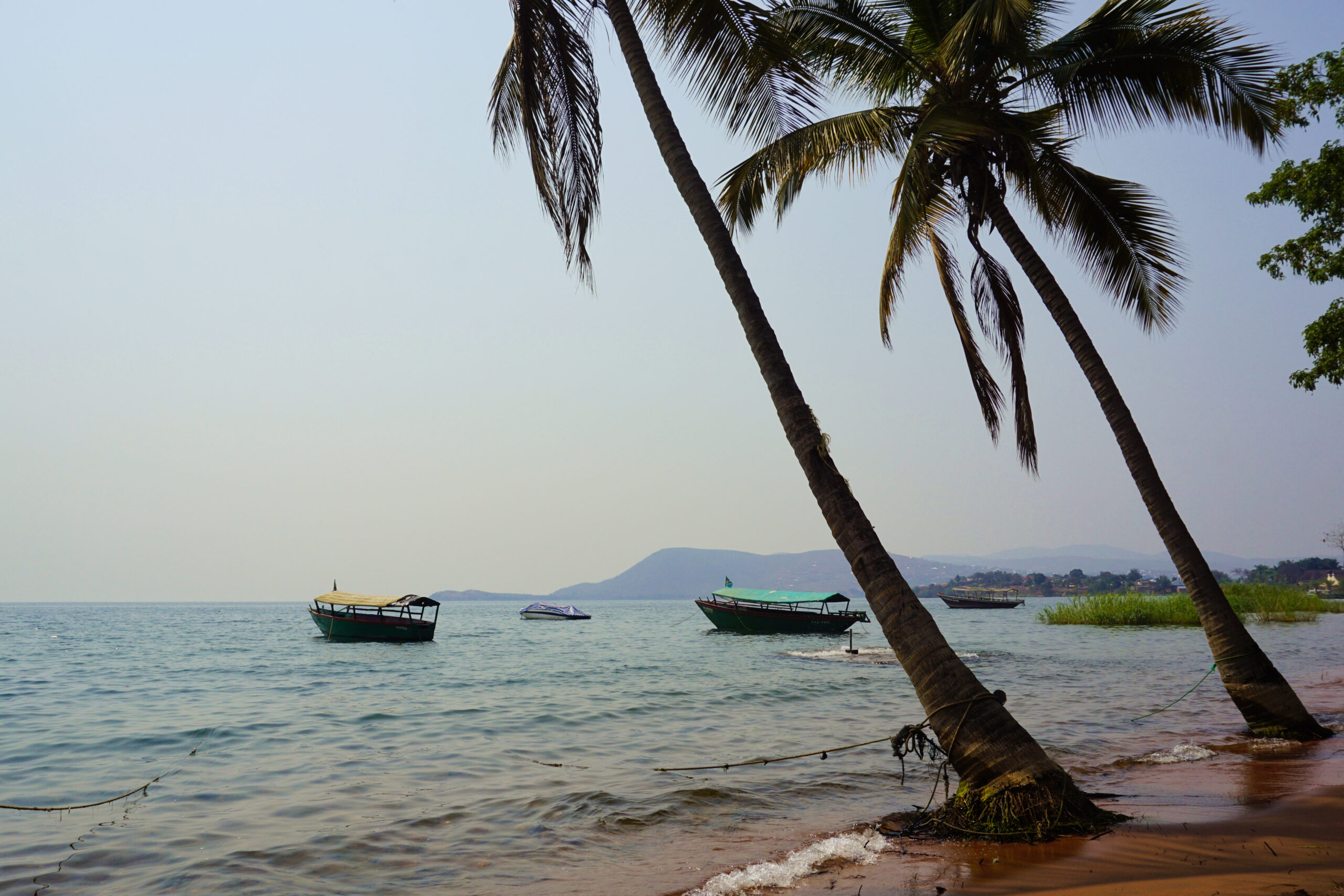
Framing it all is Lake Tanganyika, the longest freshwater lake in the world, and one of its deepest. Stretching across four countries, the lake feels less like a body of water and more like an inland sea. On the Tanzanian side, it remains peaceful and with little infrastructure, lined with small fishing villages, empty beaches, and the occasional wooden dhow sailing by. The water is remarkably clear, ideal for swimming, and rich in biodiversity.
Cultural stop: Ujiji and colonial history in Kigoma
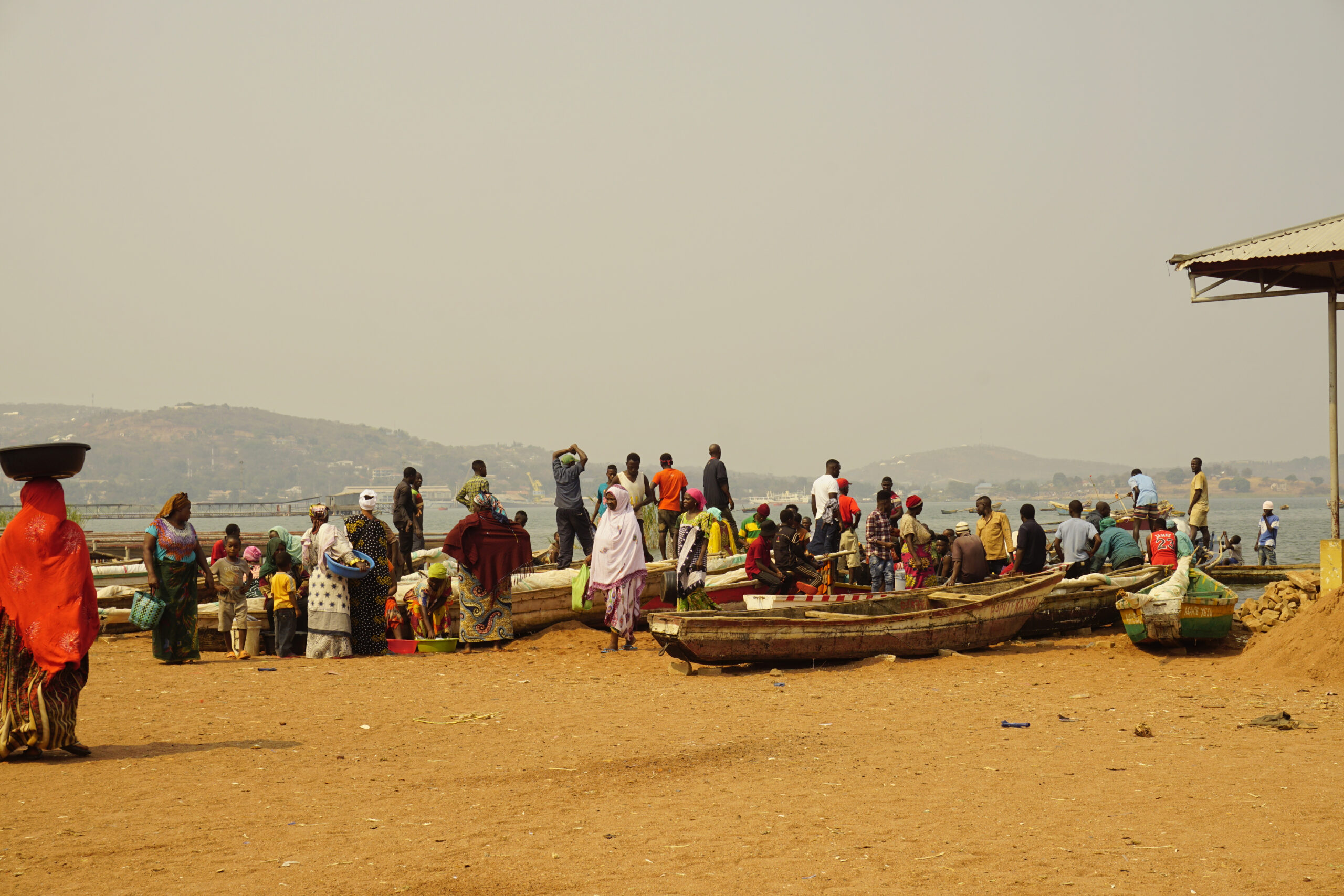
Don’t miss the chance to also spend a little time in Kigoma. This laid-back yet chaotic lakeside town still bears traces of its colonial past. The Kibirizi market offers a glimpse into daily life on the lake, with colorful stalls overflowing with fresh fish and tropical fruits.
A short ride away is Ujiji, believed to be the site where David Livingstone met Henry Stanley in 1871. A modest museum marks the location, and the town itself offers a look at daily life far from the tourist trail, with busy markets, friendly faces, and a port where fishermen repair their nets at sunset.
How to get there & practical tips
You can reach Kigoma by flight or train from Dar es Salaam, though services aren’t daily. From Kigoma, it’s a one to two-hour boat ride to Gombe. Getting to Mahale takes longer –often a six-hour boat trip or a short charter flight, usually arranged by lodges.
Accommodation options in the city range from basic forest camps, like Jakobsen Beach House, to businessmen-oriented hotels, like Green View. At the parks there are humble lodges that offer full board and a clean bed to rest between hikes.
The best time to visit is between June and October, when trails are dry and chimp sightings are more likely.
Why it’s worth including in your itinerary
This western corner of Tanzania is unlike any other part of the country. It combines rainforest trekking, wildlife encounters, rich history and lakeside serenity. For travelers who want to move at a slower pace, explore with purpose, and experience nature at its most untouched, Gombe, Mahale and Lake Tanganyika are unforgettable.
Lake Nyasa, Matema & Mbamba Bay: Untouched Shores in Southern Tanzania
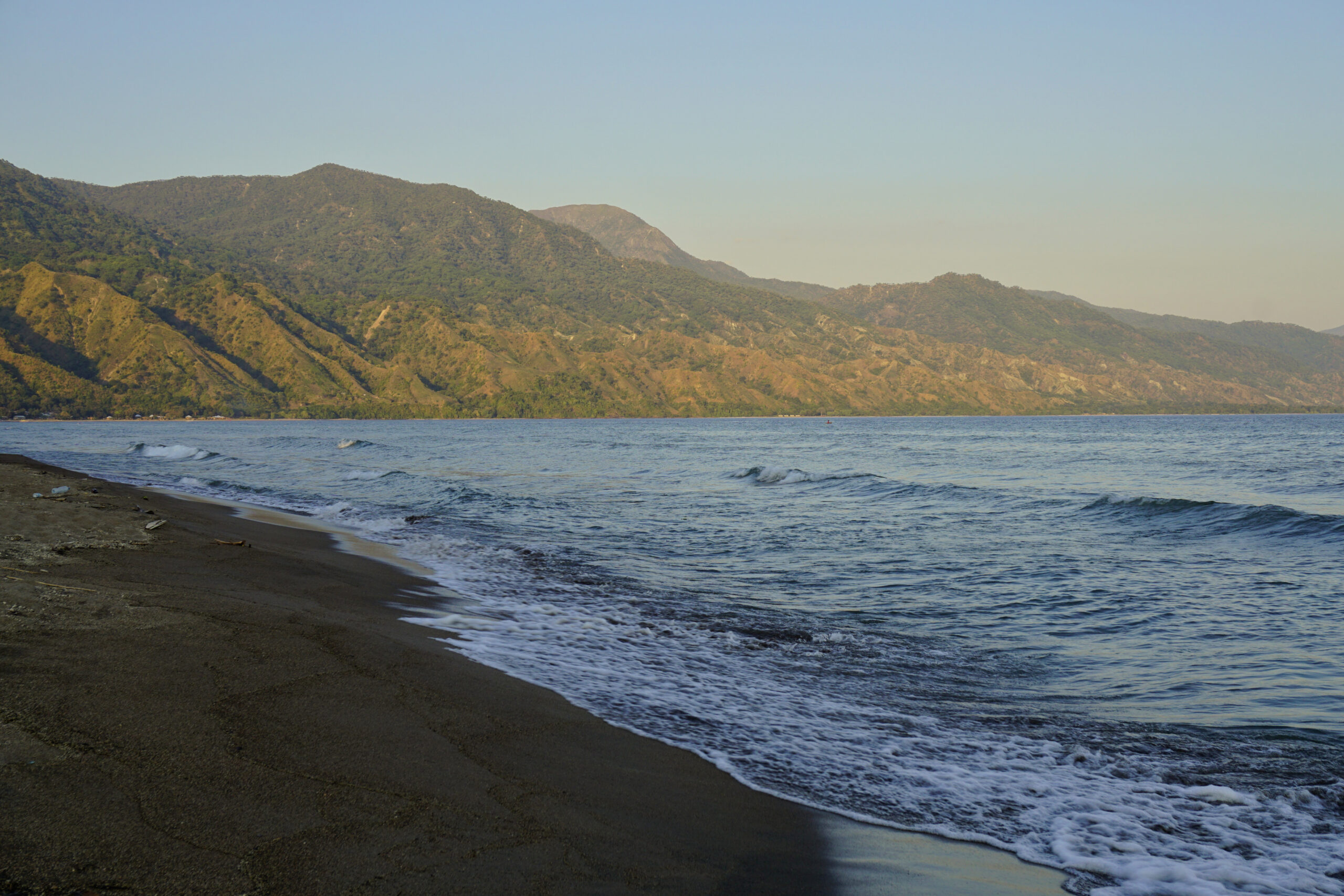
In the far south of Tanzania lies Lake Nyasa –also known as Lake Malawi, a name it shares with the neighboring country along its southern shore– a vast, shimmering body of water framed by forested hills and quiet villages. It’s one of the largest and deepest lakes in Africa, yet few travelers ever make it to the Tanzanian shore. There, time slows down. The roads get rougher, the smiles wider, and the lake itself becomes a peaceful place to rest, swim and reconnect.
Why it’s off the beaten path
Lake Nyasa sits at the southeastern edge of the country, in the border with Mozambique and Malawi, far from the popular parks and safari routes. Most people visit the lake from Malawi, where access is easier and tourism a bit more developed. But on the Tanzanian side, especially around Matema and Mbamba Bay, the atmosphere feels untouched. The journey may take longer, but what awaits is authenticity –a place where daily life still unfolds without catering to outside expectations.
What to do around Lake Nyasa
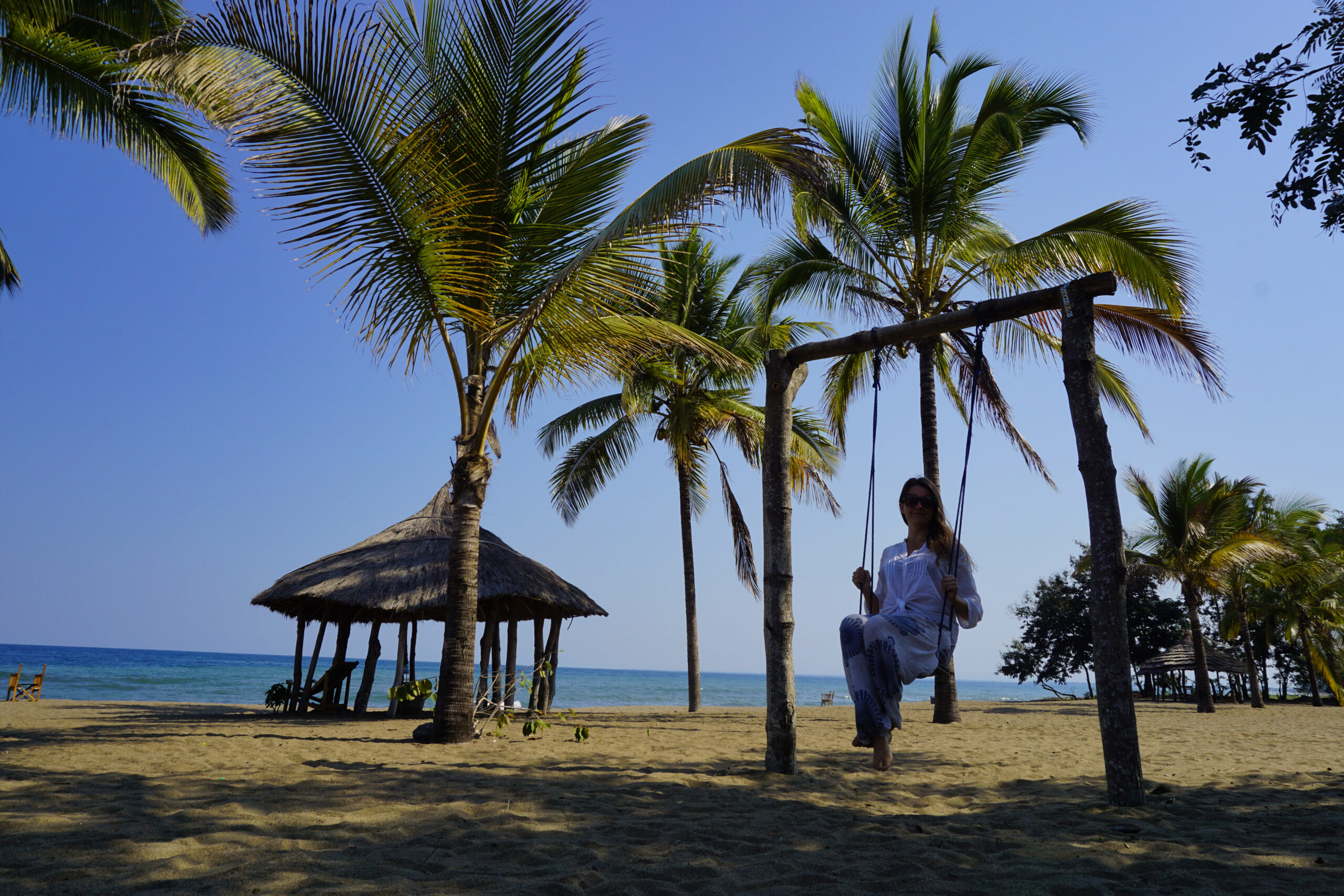
The northern shore of the lake is the most accessible, especially the village of Matema, nestled at the foot of the green slopes of the Livingstone Mountains. You can walk along the black-sand beach, paddle in wooden canoes, or hike into the hills to visit waterfalls and small farming communities. The lake is clean and clear, ideal for swimming or just floating under the sun, with the mountain backdrop reflecting on the water.
For those with more time, continuing further south leads to Mbamba Bay, a true frontier town with little in the way of infrastructure but plenty of character. It’s possible to organize local boat trips or even cross into Malawi from here if your plans include both countries.
If you’re heading in from the Southern Highlands (from Mbeya or even Iringa), consider making a stop in Tukuyu, a vibrant agricultural town surrounded by volcanic hills and tea plantations. From there, the descent toward the lake is dramatic, with sweeping views over forests and valleys.
Cultural encounters and lakeside life
This region offers a chance to observe daily life without filters. Most people live from fishing or small-scale farming, and few speak any English, which makes interaction slower but often more meaningful. You might be invited to share tea, join a mass at the local church, or simply sit by the lake and talk through gestures and smiles.
The area has a strong Christian heritage, visible in the old mission buildings of Matema and the community projects that continue to shape the region. You’ll also find local crafts, like handmade wooden boats and colorful fabrics, that reflect the quiet creativity of lakeside life.
How to get there & practical tips
Getting to Matema involves a combination of road travel through the Mbeya region. Public buses connect Mbeya to Tukuyu and then to Matema. Alternatively, arrange a private car if you prefer more flexibility.
Bring cash, as ATMs are scarce and card payments are rarely accepted. Facilities in the area are basic –don’t expect luxury, but do expect genuine hospitality. Guesthouses and lodges around Matema are simple yet comfortable. I stayed at Matema Lake Shore Resort, which –despite the grandeur of its name– offers a modest but beautiful stay right on the lake’s edge.
The dry season (June to October) offers the clearest skies and best hiking conditions, although the lake remains warm year-round.
Why it’s worth the journey
Lake Nyasa is the kind of place that rewards those who take the longer road. You won’t find safari jeeps or souvenir stalls, but you’ll find stillness, hospitality and scenic landscapes. If your idea of travel includes long walks and a sense of discovery, the shores of this southern lake won’t disappoint.
Rural Moshi: Coffee Farms, Waterfalls & Chagga Culture Beneath Mount Kilimanjaro
Most travelers pass through Moshi on their way to climb Mount Kilimanjaro, but few venture into the hills and villages that surround the town. Just outside the bustle, the landscape shifts –lush slopes covered in banana trees, winding footpaths through small farms, and cool streams flowing from the mountain. This is the land of the Chagga people, one of Tanzania’s largest ethnic groups, and a place where cultural heritage and nature coexist in everyday life.
Why it’s off the beaten path
While Moshi is well known, the rural areas just beyond it remain mostly untouched by international tourism. Many travelers stay in town only long enough to rent gear or catch a transfer to the national park gates. But those who linger a little longer discover a different side of Kilimanjaro: one rooted in agriculture and local rhythms.
What to do in rural Moshi
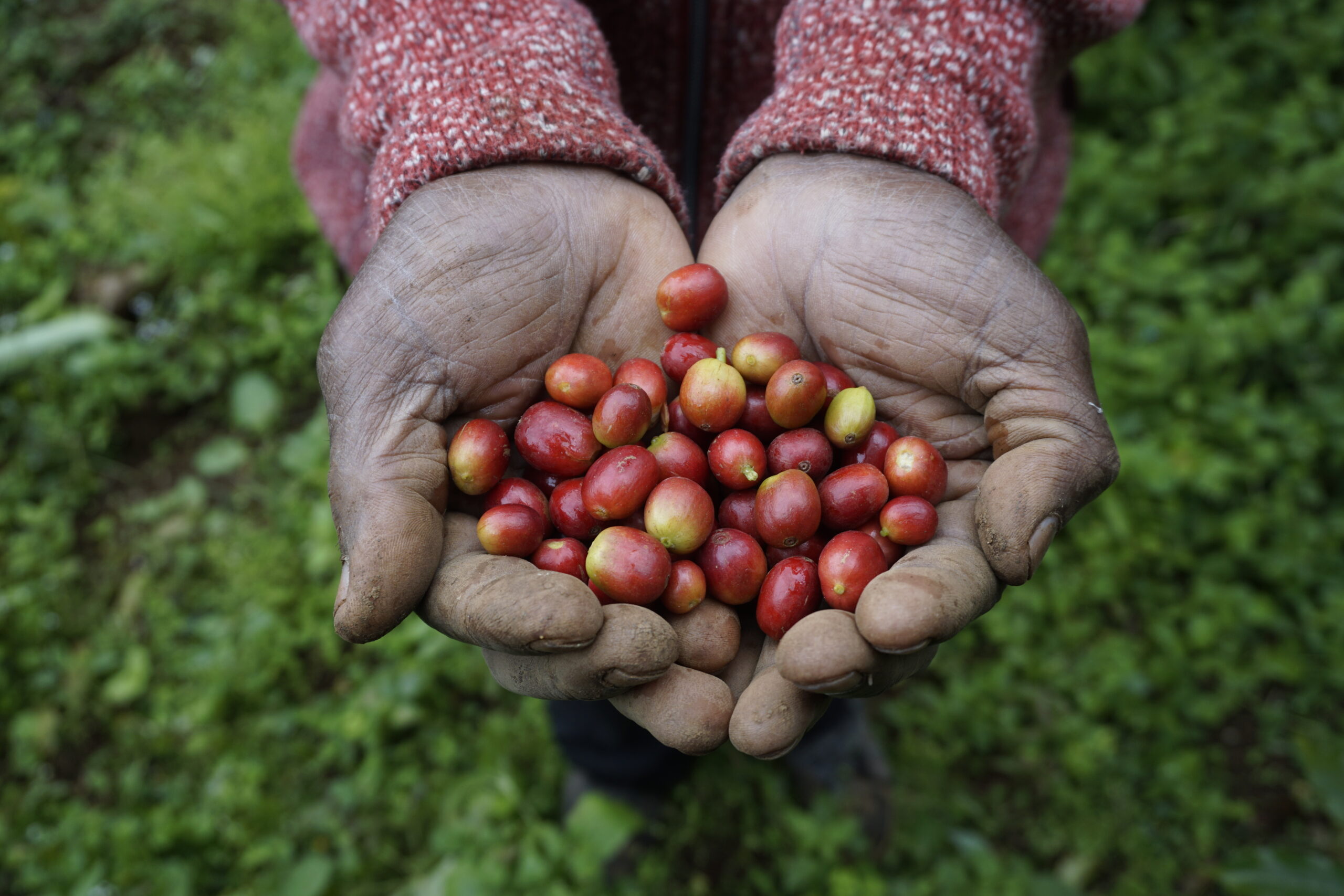
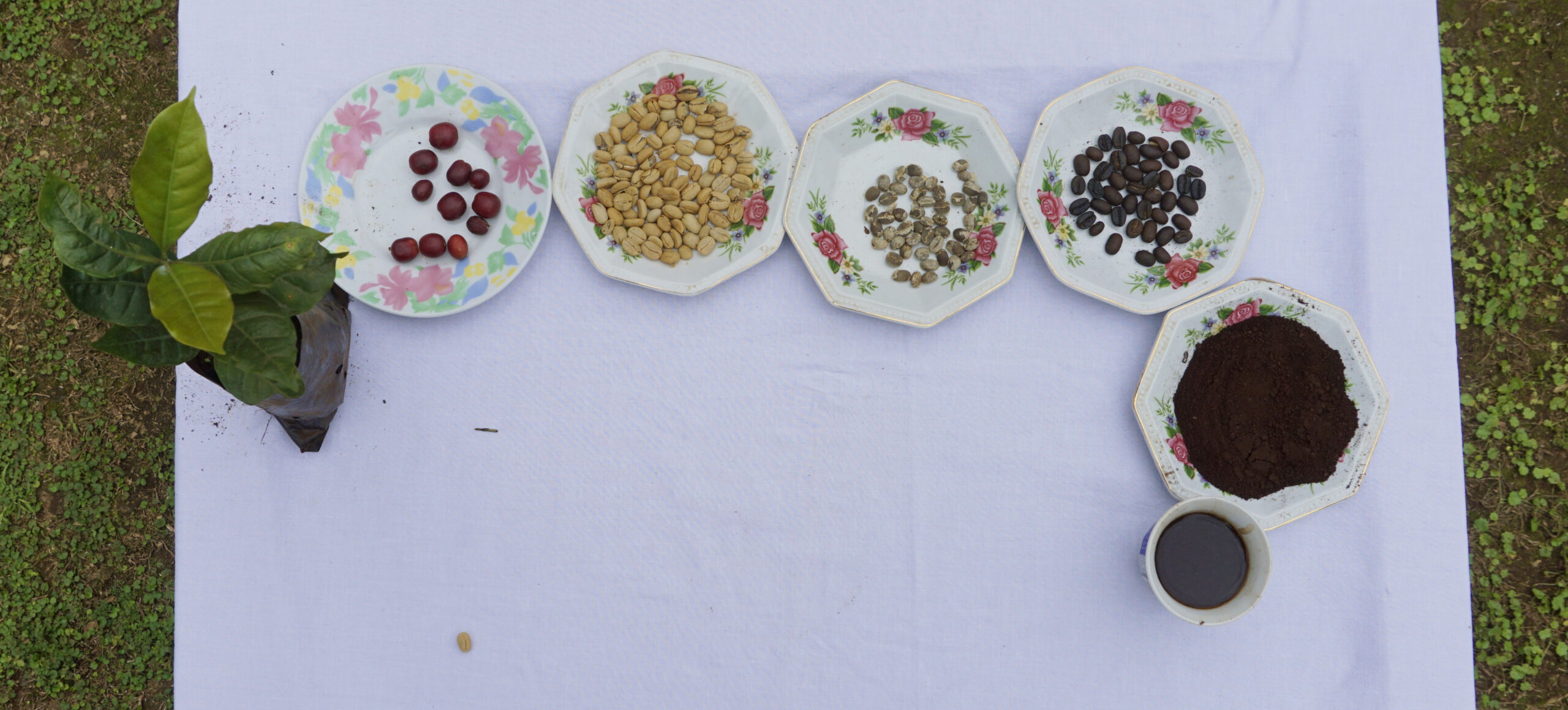
The area is ideal for slow travel. You can hike to nearby waterfalls like Materuni or Ndoro, wander through coffee plantations, or take part in a farm-to-cup experience where you witness the whole process from the growth of the berries to roasting and grinding beans harvested on the mountain. The walking trails between villages are quiet and scenic, offering views of Kilimanjaro on clear days and glimpses into daily life –children walking to school, farmers tending to the fields, and women carrying bananas over their heads in woven baskets.
Several village tours are run in collaboration with local families, allowing you to learn about Chagga traditions, their food, and even visit the historic underground tunnels built to hide from Masai raiders generations ago. These experiences are not museum-like reenactments, they’re part of their living memory and offer real insight into Tanzania’s cultural diversity.
You can also arrange short day hikes in the lower foothills of Kilimanjaro, perfect for those not aiming for the summit but still hoping to experience the mountain’s presence up close. Personally, I found a guide in Moshi that took me to Kili’s first camp as a day trip (you can’t enter the National Park without a guide), and I saw the porters on the way carrying shower heads, glassware and a wooden table for the “climbers”, giving me zero desire –even if I could have afforded the hefty fee– to go to the summit.
Where to stay & how to explore
There are several family-run guesthouses and eco-lodges tucked into the hills surrounding Moshi. Many offer full-board stays, local guides, and access to trails right from the doorstep. If you’re looking to disconnect from the tour groups and connect with nature, this is an easy, low-impact way to do so.
I went glamping for a few days in a beautiful setting facing Kilimanjaro, and went on a coffee tour with a local farmer, all organized by Kiliman Cultural Tourism.
Public transport and shared taxis can take you to nearby villages, but the simplest option is to arrange pick-up through your accommodation. Do take into account that the roads can be rough, especially during the rainy season.
Why it’s worth including in your itinerary
Rural Moshi is the perfect example of how slowing down often leads to deeper connections. Without needing to travel far, you’ll experience Tanzania’s natural beauty, learn from its people, and support communities that are proud to share their corner of the mountain.
Rubondo Island: Wildlife, Forest Trails & Birding in Lake Victoria’s Hidden National Park
Far from the safari trucks and popular coastal getaways, Rubondo Island sits quietly in the southwest corner of Lake Victoria. Covered in dense tropical forest and surrounded by water, this island national park is unlike anywhere else in Tanzania. Known as “the green pearl in blue waters”, is home to chimpanzees, sitatungas, monitor lizards, hippos, and over 300 species of birds –and yet, almost no one goes there.
Why it’s off the beaten path
Rubondo is remote. It takes a long bus ride, and a boat or flight to reach, which deters all but the most curious travelers. Most people who visit Lake Victoria –and not many do– stay on the mainland, in Mwanza, but few make the effort to cross over to the island. This is exactly what has allowed the preservation of its wild, untouched character.
What makes Rubondo so unique
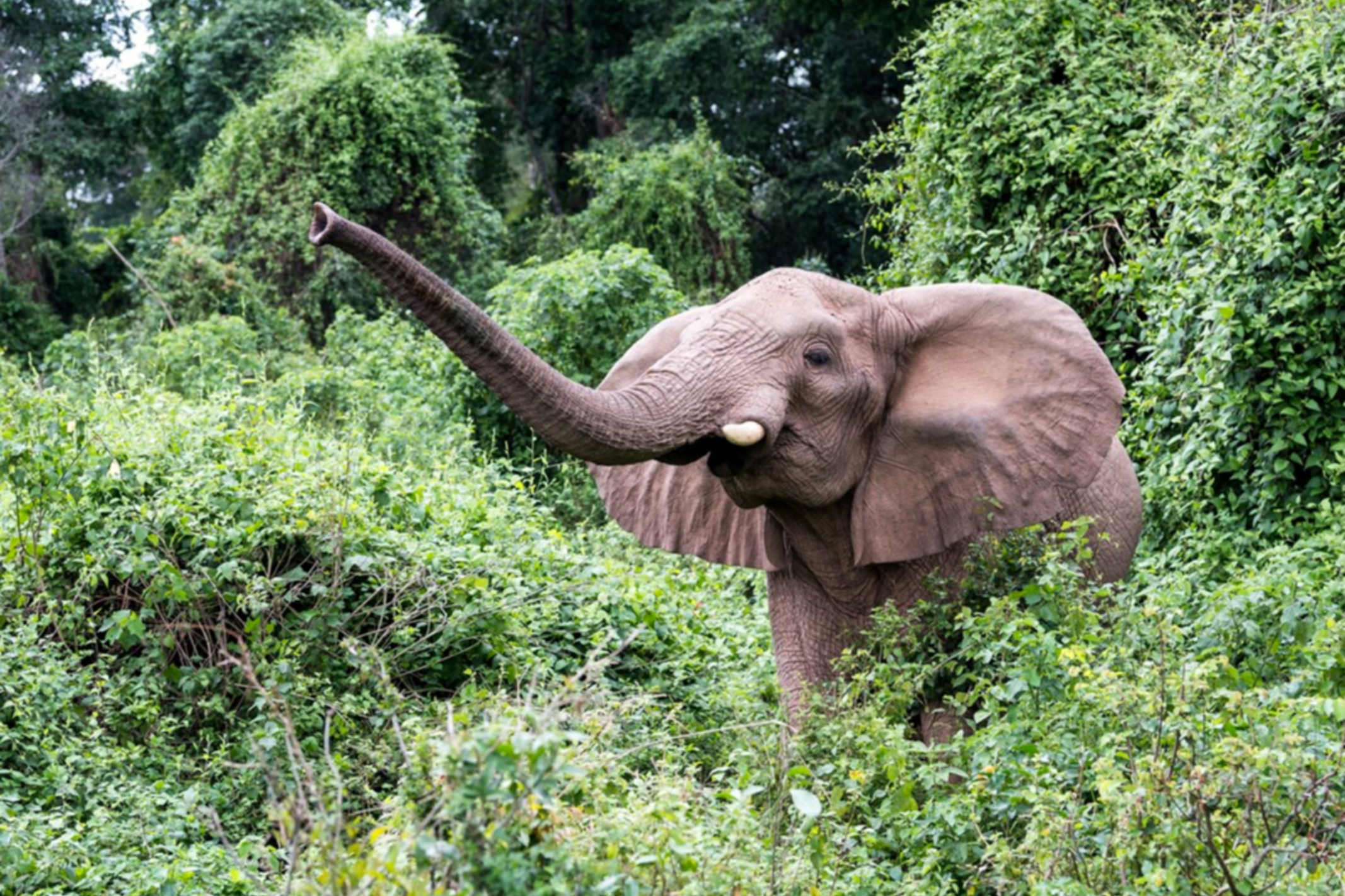
This is Tanzania’s only island national park, and it’s the kind of place where you can go days without seeing another human being. Nearly 90% of the island is covered in forest, where elephant herds hide in the shadows and chimpanzees, once rescued from captivity, now live semi-wild. They’re not habituated yet, so sightings are rare and unpredictable, but the conservation story behind them is reason enough to visit.
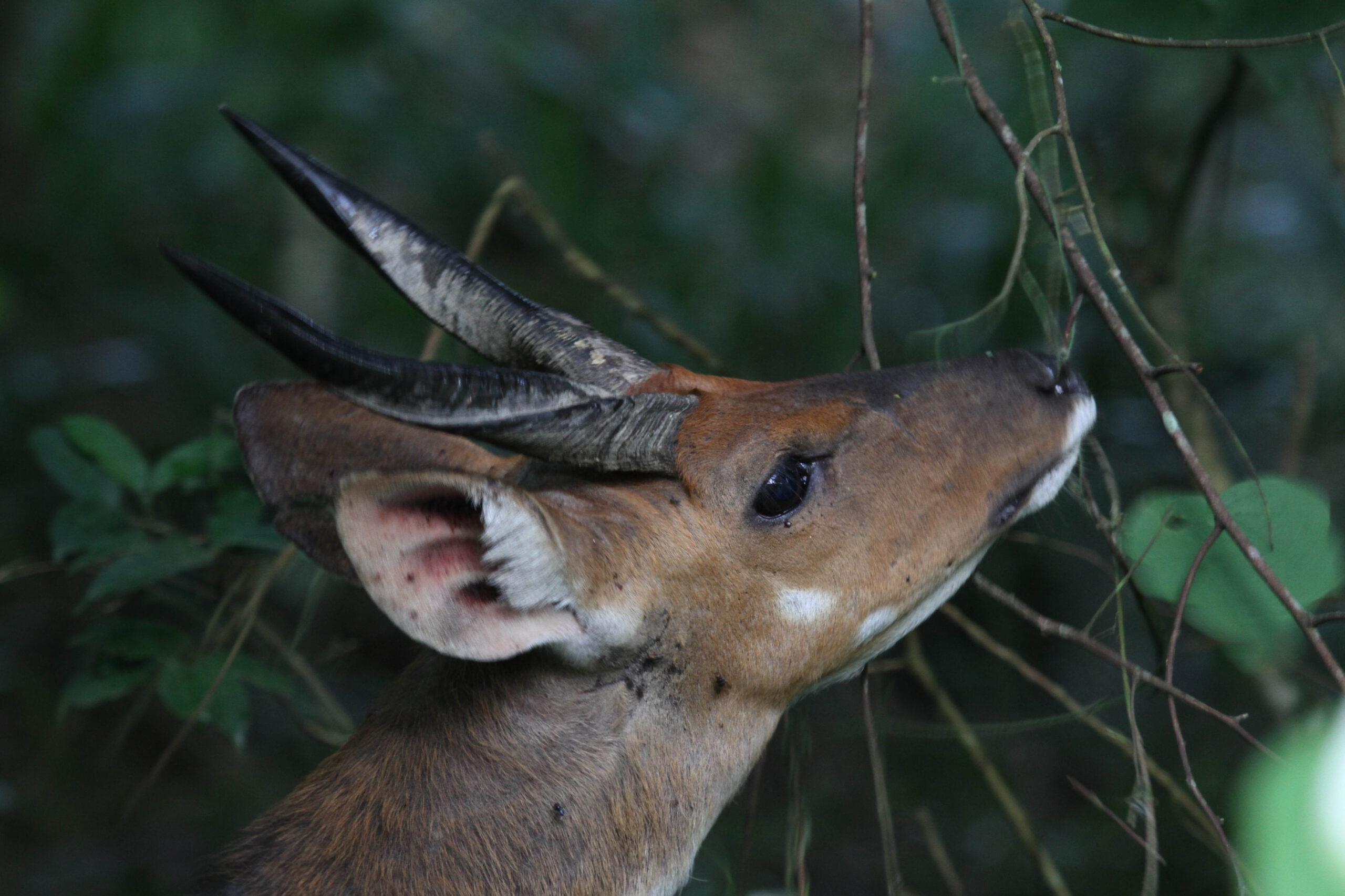
Besides the chimps, Rubondo is a sanctuary for sitatunga antelopes, which are usually hard to see elsewhere, and Nile monitors that scurry along the forest floor. You’ll also find plenty of hippos and crocodiles in the lake shallows, and the birdlife is extraordinary –fish eagles, storks and herons are everywhere.
A slow escape into the wild
Rubondo is about slowness. You won’t find luxury accommodations or safaris –just one eco-camp and a handful of basic facilities, all focused on minimal impact and deep connection with the environment.
The boat rides across Lake Victoria are as much a part of the experience as the island itself, especially at sunrise or sunset, when the water glows gold.
How to get there & practical tips
Rubondo can be accessed via charter flight from Mwanza or Serengeti, or by road and boat from Muganza, on the western shore of Lake Victoria. The logistics require some coordination –it’s easiest to book through an operator or lodge that arranges transfers.
Accommodation is limited to one mid-range camp with full-board service and guided activities. There are no shops or ATMs, so bring everything you need with you, and be prepared to fully disconnect: phone signal is weak and Wi-Fi is rare.
Dry season (June to October) is ideal for wildlife viewing and forest walks, though the island remains green year-round.
Why it’s worth including in your itinerary
Rubondo is not for everyone, and that’s exactly the point. For travelers drawn to quiet, unfiltered nature, and places where conservation comes before convenience, this island offers something truly special. It’s one of the last wild frontiers in Tanzania.
Lake Eyasi & the Hadza People: Culture, Bush Walks & Hunter-Gatherer Traditions in Tanzania
Between the Rift Valley escarpments and the southern plains of the Serengeti lies Lake Eyasi, a shallow seasonal lake surrounded by dry forest, rocky hills and bush. It’s a stark, striking landscape—quiet, open and seemingly empty at first glance. But this is home to one of the world’s oldest communities: the Hadza, among the last remaining hunter-gatherers on the planet.
Why it’s off the beaten path
Lake Eyasi sits just south of Tanzania’s busiest safari route, yet few travelers make the short detour. The terrain is harsher, the climate hotter, and there are no iconic animals to check off a list. What draws people here isn’t wildlife or luxury, but the chance to meet a community whose lifestyle is almost entirely outside the modern world.
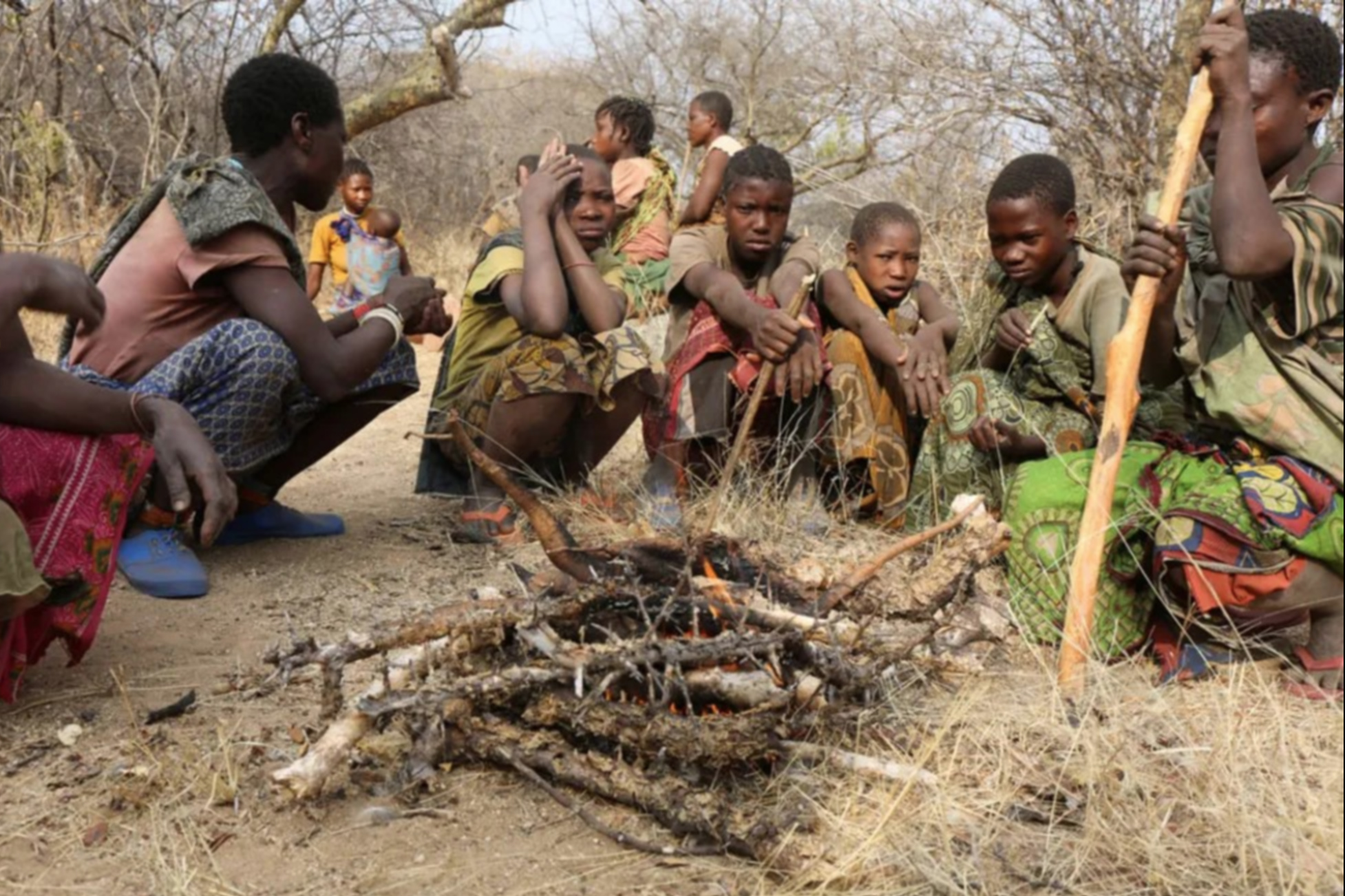
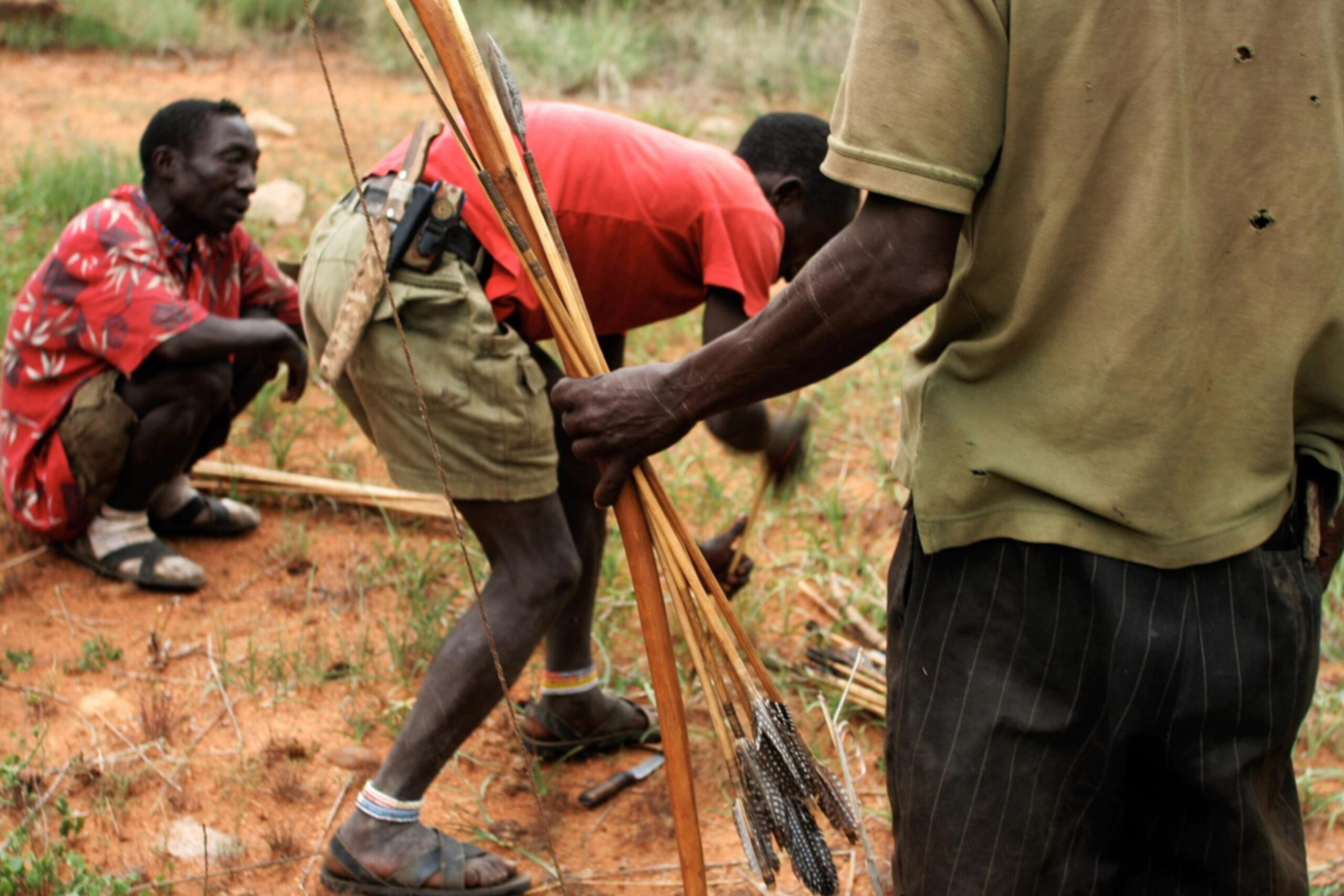
The Hadza live in small, mobile camps, foraging for wild tubers and fruit, and hunting with handmade bows and poison-tipped arrows. Their language is unique, unrelated to Swahili or neighboring tribal tongues, and includes click sounds not found in most East African languages. They don’t farm or keep livestock, and they traditionally move according to seasonal patterns, following water, shade and food.
Visiting the Hadza respectfully
Some Hadza groups in the Eyasi area have opened up to short, guided visits, often arranged through local lodges or cultural tourism programs. Visitors may be invited to join a morning hunt, try their hand at making fire with sticks, or walk through the bush as they explain how to identify edible plants and track animals. These visits are usually brief, and translation is done through an intermediary who speaks both Swahili and Hadzane.
It’s an experience that can feel surreal –stepping momentarily into a way of life that has almost entirely disappeared from the planet. But it’s also one that requires awareness and humility. The Hadza don’t perform for tourists, and while some interactions are adapted for visitors, their routines and values remain rooted in a deep, land-based knowledge of survival.
More than just the Hadza: Iraqw & Datoga cultures
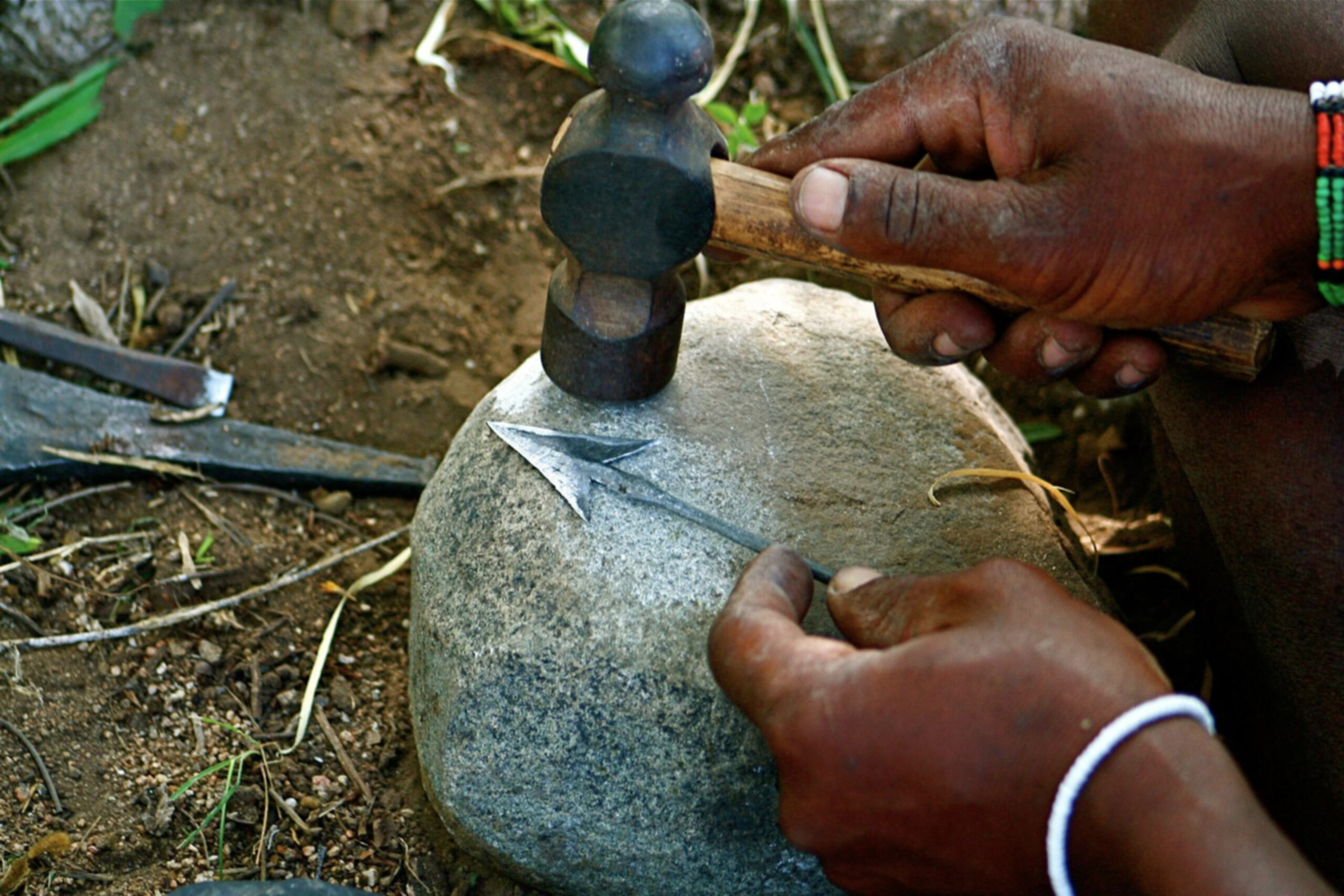
The area is also home to Datoga communities, traditionally pastoralists, with a culture and appearance quite different from the Hadza. They’re known for their blacksmithing, animal husbandry and facial scarification. Some tours include a visit to a Datoga homestead, where you can see traditional metalwork or learn about their daily life.
The Iraqw, an agro-pastoralist group originally from the Mbulu Highlands, also live in parts of the Lake Eyasi region. Unlike the nomadic Hadza or the pastoralist Datoga, the Iraqw traditionally farm the land, cultivating sorghum, millet and maize on terraced slopes. Their language belongs to the Cushitic family, and their social structure is clan-based, with strong oral traditions and community gatherings. While less frequently visited by travelers, the Iraqw are known for their hospitality and depth of storytelling –some tours offer the chance to join a family for a meal, learn about traditional farming techniques, or hear folktales passed down through generations.
How to visit
The best way to visit is through a responsible local guide or lodge that works in partnership with the communities and ensures that they benefit directly. Experiences vary widely depending on the guide’s relationship with the group and the region’s seasonal rhythms.
Lake Eyasi is reachable by road from Karatu, which lies between Ngorongoro and Manyara. Most travelers visit as a day trip, though basic accommodation is available near the lake for those who want to stay longer.
Why it’s worth including in your itinerary
A visit to the Hadza is not about ticking off a cultural box. It’s about listening, learning, and recognizing the fragility –and resilience– of one of the world’s oldest surviving ways of life. If you approach with care and curiosity, this encounter may quietly shift your understanding of what it means to live in connection with the land.
A note on this section
I didn’t have the chance to visit Lake Eyasi during my time in Tanzania, but I felt it was important to include it on this guide. The Hadza are one of the last remaining hunter-gatherer communities in the world, and the way they live offers a perspective rarely encountered in modern life. I’ve written about them based on research and recommendations from responsible tourism initiatives that work closely with the community. If you want a deeper dive, my fellow adventurer Eva zu Beck has a fantastic video about her stay with them.
Other Offbeat Places: Underrated Destinations, Coastal Ruins & Cultural Side Trips
If you have extra time or simply want to go deeper into Tanzania’s lesser-known regions, there are a few more destinations that deserve a look. Some are full of natural beauty, others are rich in history, and a few offer both. While they may not be must-sees for every traveler, they each carry something unexpected.
Mount Hanang: Highland hiking with sweeping views
Rising steeply from the Rift Valley floor, Mount Hanang is Tanzania’s fourth-highest peak, but is rarely visited. Located near Katesh, southwest of Arusha, the mountain offers a challenging overnight trek through farmland, montane forest and grassland, with panoramic views at the summit. It’s ideal for hikers who want something rugged and remote without the crowds of Meru or Kilimanjaro.
Mount Rungwe and the Poroto Mountains: Misty forests near the Malawi border
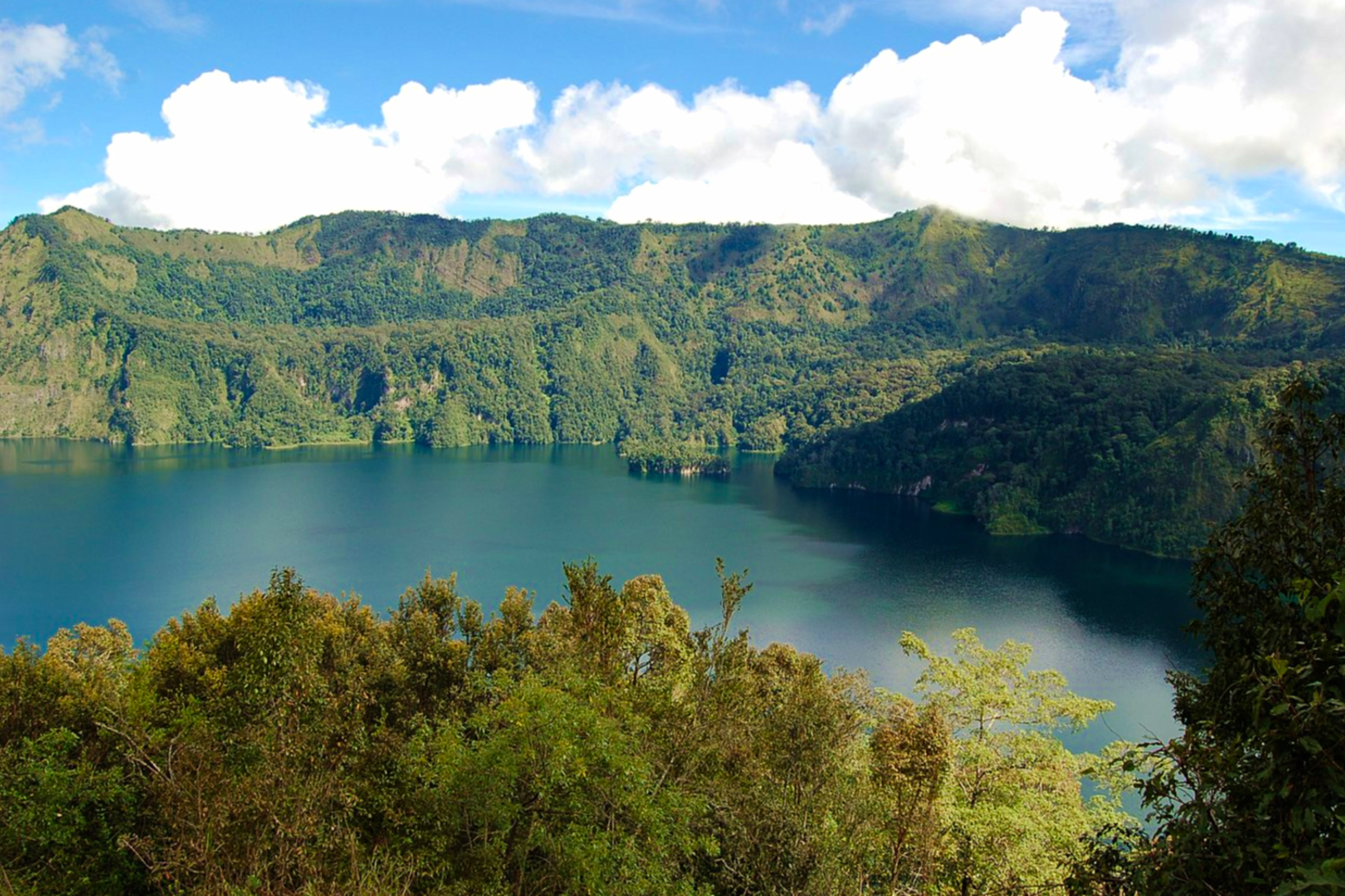
South of Mbeya, this volcanic highland region is cool, green and dotted with crater lakes and tea estates. Mount Rungwe Forest Reserve offers beautiful hiking in montane forest with birdlife, bamboo groves, and the occasional blue monkey. Nearby Lake Ngozi, a crater lake, is a popular local hiking spot and a great option for travelers heading toward Lake Nyasa.
Udzungwa Mountains National Park: Waterfalls and rare primates without the crowds
Udzungwa is a hiker’s paradise. Located in south-central Tanzania, it’s all about waterfalls, rainforest and monkeys –including the rare Sanje crested mangabey. There’s no road through the park, so it’s explored entirely on foot, with trails ranging from easy walks to multi-day treks. It’s great for nature lovers who want to switch game drives for deep forest immersion.
Saadani National Park: Safari meets the Indian Ocean
Where else can you go on safari and swim in the ocean? Saadani is Tanzania’s only coastal national park, located between Dar es Salaam and Tanga. It’s not the best park for big game sightings, but its mix of savannah, mangroves and beach is completely unique. The nearby Wami River is great for boat safaris, and the park’s remoteness means you’ll often have it to yourself.
Mafia Island: Coral reefs, whale sharks and slow island life
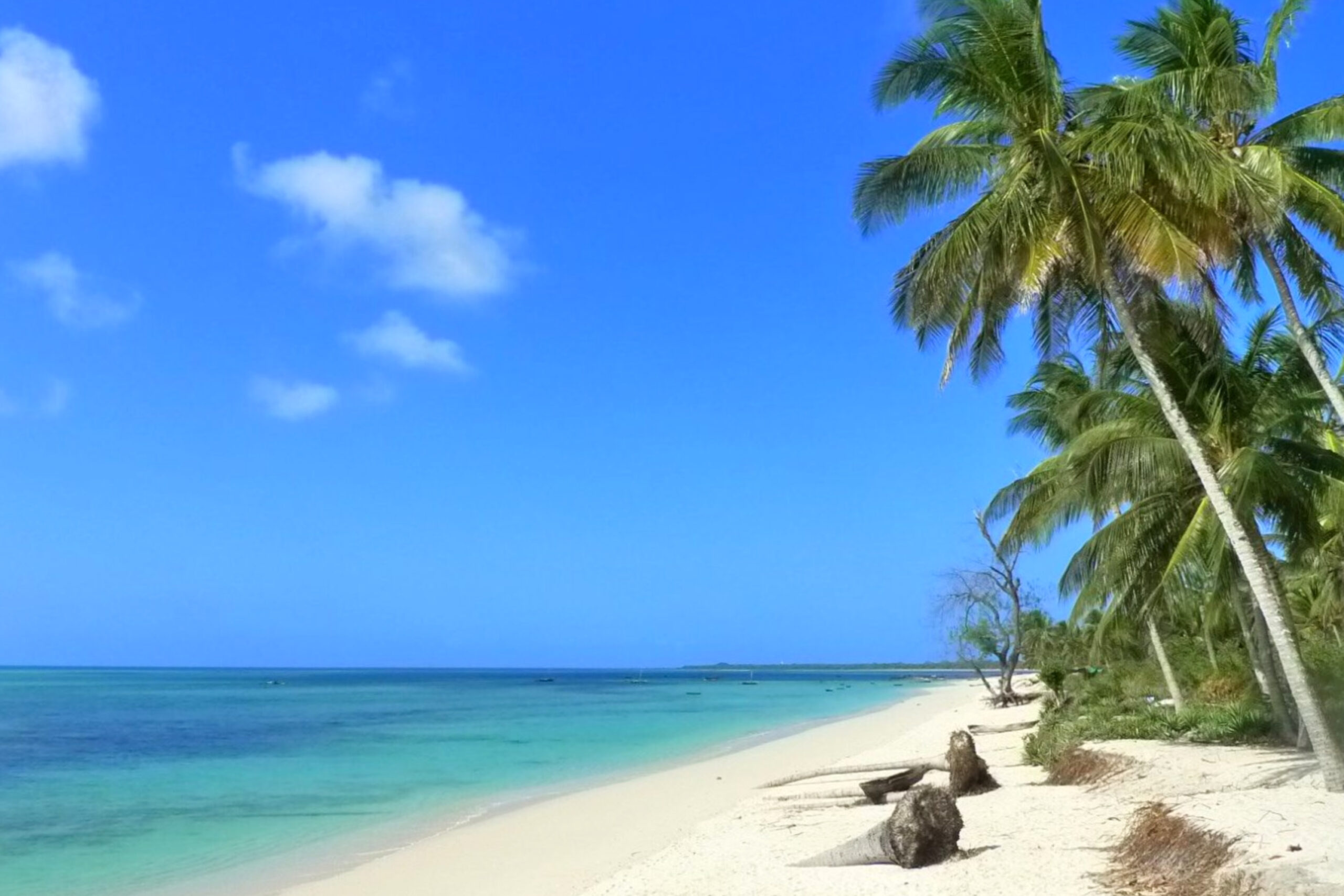
Overshadowed by Zanzibar, Mafia Island is a quiet paradise for those who prefer slow travel and marine life. The Mafia Island Marine Park protects coral reefs, mangroves and a large population of whale sharks, especially between October and February. There are few roads, no big resorts, just the rhythm of the tides and the hum of fishing boats. It’s low-key, deeply peaceful, and perfect for snorkeling, diving and decompressing.
Kilwa Kisiwani: Ruins of a forgotten Swahili empire
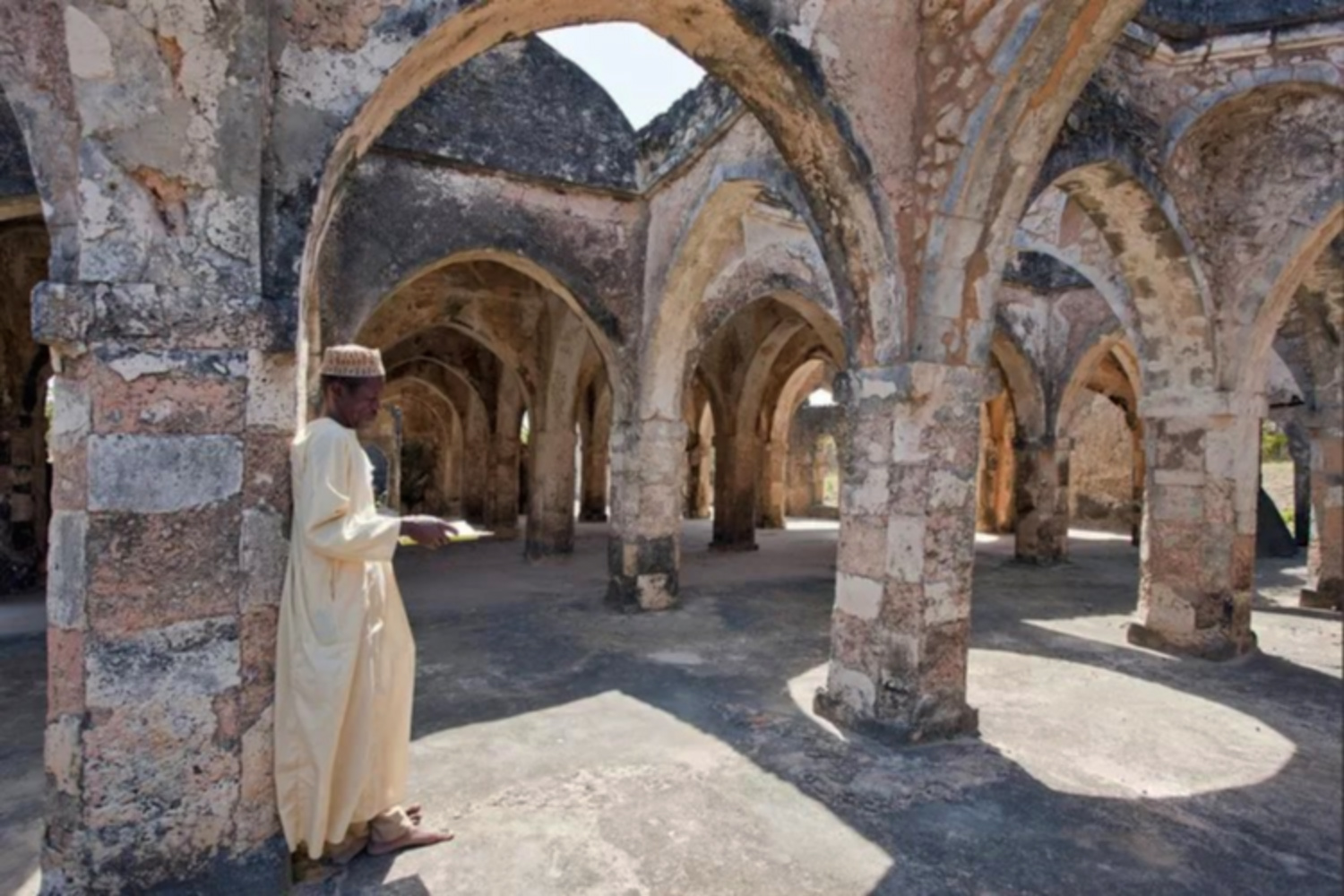
For lovers of history and faded empires, Kilwa Kisiwani is a treasure. Once a powerful Swahili city-state and trading port, this UNESCO World Heritage Site is now home to haunting ruins of mosques, palaces and coral-stone houses slowly being reclaimed by nature.
Bagamoyo: Faded colonial charm and coastal culture
Just north of Dar es Salaam, Bagamoyo is one of the oldest towns on the East African coast and was once the final stop for ivory and slave caravans before they shipped out across the Indian Ocean. Today, the town is quiet and a little worn, but it has charm for those interested in Swahili history, old colonial architecture, and a slower coastal pace. There are a few modest beach lodges and the potential for walking or biking through the town’s historical core.
Bukoba: Lakeside calm in Tanzania’s far northwest
On the western shore of Lake Victoria, near the border with Uganda, lays the peaceful lakeside town of Bukoba. It’s not set up for tourism, but that’s part of the appeal. You’ll find mild weather and occasional cultural festivals, especially among the Haya people. Nature-wise, it’s more about ambiance than big sights, but if you’re heading west from Mwanza or northwest into Uganda, it’s a relaxing and authentic stopover.
Tanzania is much more than its famous icons. Beyond Serengeti’s endless plains and Kilimanjaro’s towering peak lies a vast and varied land full of quiet villages, wild forests, shimmering lakes and coastal islands waiting to be explored. These off-the-beaten-path destinations offer a chance to slow down, connect deeply with nature, and experience local cultures in ways few travelers ever do.
If you’re dreaming of a trip that balances wildlife, culture and serene landscapes –and values authenticity over crowds– consider adding these hidden gems to your Tanzania itinerary.
WHAT TO READ NEXT?
- Train Across Tanzania: Crossing the Country (Twice) by Railway
- A Glance into Masai Culture: Living With the Masai in the Bush in Tanzania
- Reflections From the Serengeti: The Masai, Sustainability and Decolonizing Conservation
- Volunteering in Africa: White Saviorism, Orphanage Tourism, Aid Dependency, and a Safari
- Eco-Friendly Hiking: Sustainable Tips and Packing Guide
- Travel Lessons: What Visiting 50+ Countries Has Taught Me
- Books Full of Wanderlust: Stories to Inspire Your Next Adventure
Liked it? Want to read it later? Pin it!
Enjoyed what you read? A lovely way to show appreciation is by buying me a coffee.
Your support keeps the stories, guides and geopolitical insights coming. Thank you so much!


Coni, what an incredible guide! Ive always dreamt of visiting Tanzania but only knew about the big names like Serengeti and Kilimanjaro. Your descriptions of Gombe, Mahale, and Lake Tanganyika made my heart race – the idea of trekking through the rainforest to see chimps in their natural habitat sounds so profound. The way you write about Lake Nyasa, with its slow pace and authentic culture, truly captured the essence of off-the-beaten-path travel. Even Rubondo Island felt like a secret paradise, and the glimpse into Hadza life near Lake Eyasi left me speechless. Your passion for these lesser-known places is contagious, and the practical tips are incredibly helpful. This isnt just a travel list; its a call to experience Africa beyond the tourist trail, connect with real people, and find that untouched serenity. Thank you for sharing these hidden gems!
Thank you so much for you thoughtful comment, Nano! I’m so happy to have put some lesser-known destinations on your map. I hope you get to visit soon. Let me know when you do, and don’t be afraid to reach out if you have any questions 🙂
I have never been to Tanzania, but I have only heard about the three places you mentioned at the beginning of the article. It’s great to discover beyond the popular destinations! I feel you get a more authentic experience.
The classics are a classic for a reason, so I understand everyone wants to visit them, but you absolutely get a much more authentic experience when you go to the smaller, less known places. I hope you get to visit some of them when you get to go to Tanzania!
So many hidden gems in Tanzania. The nature looks so stunning in all those places. When I go to Tanzania, I definitely will add some of these hidden gems to my itinerary. The Ngozi Crater Lake and Mafia Island look so beautiful in the pictures.
Thank you, Cosette! There are so many incredible places, you can’t go wrong with any that you choose. I hope you manage to visit Tanzania soon!
Wow, who knew Tanzania has so much hidden? This is a very detailed guide! I believe people who plan to visit Tanzania would find it helpful!
Thank you, Jessica! Tanzania is full of amazing destinations -I hope you get to visit soon!
What a fantastic guide! I’m so happy that I came across it as I’m planning on visiting Tanzania in the near future and I always try to add a few off the beaten path places to my itinerary whenever possible. Now I’m even more excited to start planning.
Thank you so much, Kitti! I’m really glad the guide came at the right time. Wishing you an amazing trip and lots of off-the-beaten-path adventures! Let me know if you have any questions while planning 🙂
You’re 100% right! Those 3 places were the only ones I knew in Tanzania! Now I can´t wait to visit and explore all of these hidden gems!
I truly think is the case for most people, but Tanzania is so much more than those three! I’m thrilled the post opened the door to some of its lesser-known treasures. I hope you get to experience them soon!