
This article may contain compensated links. Please read the Privacy Policy & Disclaimer for more info.
Here’s all you need to know about Dubrovnik, from understanding how the city came to be, to practical information about visiting, you’ll get an overview of the top places to visit, and tips to make your stay sustainable and help fighting overtourism in Dubrovnik. You’ll also find suggestions for day trips and where to go next. Of course, we’ll also talk about the series that made Dubrovnik a hotspot, Game of Thrones. Are you ready to get all your Dubrovnik related questions answered? Let’s go explore beyond King’s Landing!
In my humble opinion, Dubrovnik is one of the most beautiful cities in the world. The mix of grey stone, terracotta roofs and cerulean sea is intoxicating. But this has meant that the flux of visitors increases year after year, making it a posterchild of overtourism. Don’t let that discourage you –the city deserves all the attention is getting, and it’s still a great destination!
With 250 days of sun a year, Dubrovnik offers long summers to enjoy the Adriatic surrounded by tons of history, stunning architecture and a fantasy world of queens and dragons.
I’ve visited Dubrovnik more times than I can count, in every season —which means I can tell you with authority that the experience varies wildly depending on when you go. The empty-street summer photos you’ll see throughout this post aren’t a fluke or a filter: they were taken during the 2020 pandemic, when Croatia reopened to domestic travelers, so the crowds hadn’t yet returned. It was a surreal, unrepeatable window into what this city might feel like without the weight of its own fame —and I wanted to be transparent about that rather than sell you an illusion. In reality, peak summer in Dubrovnik is intense. Shoulder season (May–June and September–October) is where the city finds its best self: clear skies, warm sea, a lived-in energy that hasn’t yet tipped into chaos. More on that later.
RELATED POST: Croatia Travel Tips from a Local: Expert Advice for an Unforgettable Experience
Understanding Dubrovnik
A bit of history
Dubrovnik used to be an island, and its rocky cliffs were the perfect setting to seek refuge by the Romans when the Slavs invaded the area in the 7th century (the channel that divided the islet and the shore was filled in the 12th century). The town was under the protection of the Byzantine Empire, then fell under the sovereignty of Venice, until 1358, when it achieved independence as the Republic of Ragusa, which mastered maritime trade and became wealthy.
Their motto was “liberty is not sold for all the gold in the world”, which was applied by adopting modern laws and institutions, including the abolishment of slavery. They were also pioneers in medical services, opening a quarantine hospital (Lazareti –just outside the Ploče Gate) and a pharmacy (still working today at the entrance of the Franciscan Monastery) in the 14th century. They also built an innovative water supply system, with two public fountains, which you can see (and drink from) in both ends of Stradun.
The official language in the early years of the Republic was Latin, but it gave way to Romance Dalmatian and Croatian. The former slowly became extinct, while the later became the lingua franca. This is why the city was simultaneously known by two different names: Ragusa and Dubrovnik.
A devastating earthquake in 1667 started the slow decline of the Republic. The city was left in ruins –the St. Saviour church, Sponza Palace and Rector’s Palace being the only important surviving buildings. To finance the reconstruction of the city, a patch of land was sold to the Ottoman Empire, effectively giving them access to the Adriatic Sea.
Fun fact: nowadays Dubrovnik is a semi-exclave of Croatia, separated from the rest of the country by Bosnia and Herzegovina’s small access to the sea in Neum, which means the city and its surroundings are encircled by Bosnia on 2 sides (with the Adriatic Sea and Montenegro on the others). That strip of land belongs to modern day Bosnia since the Ottomans purchased it in 1699. It’s only connected to the rest of the country via a bridge in the Pelješac peninsula.
The end of the Republic came in 1808, when Napoleon’s troops occupied the territory, promptly replaced by Austrian rule of the Habsburgs. With the fall of the Austro-Hungarian Empire in 1918, Dubrovnik became part of the Kingdom of Serbs, Croats and Slovenes, which later became Yugoslavia.
The Homeland War (known internationally as part of the Yugoslav Wars) that followed Croatia’s declaration of independence in 1991 was a hard time for the city. Serbia and Montenegro declared that Dubrovnik had more historical ties with Montenegro than with Croatia, so it should be part of the former, even though the residents mostly identify themselves as Croats. The city was besieged for seven months –more than a hundred civilians were killed, and the Old Town was harshly damaged.
After the war ended, the city was reconstructed following the strict UNESCO guidelines, restoring it in its original style.
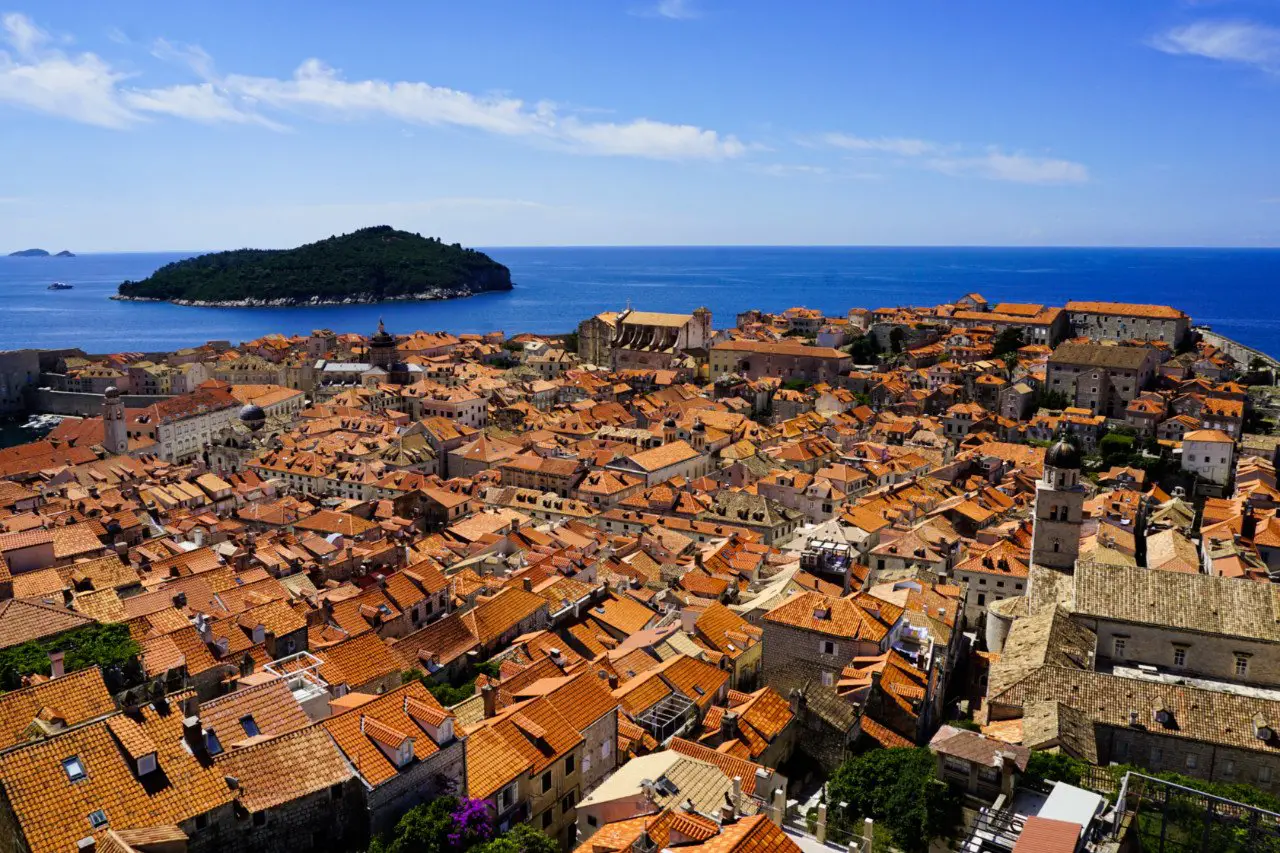
Pro tip: when you walk the walls, pay close attention to the roofs. The ones that look more worn out are originals, the brighter ones were reconstructed. Seeing the amount of brighter roofs will give you a good grasp of how badly damaged the city was.
The road to overtourism
Dubrovnik was a major touristic destination within Yugoslavia, but the construction of a motorway joining Croatia’s coastal towns, from Rijeka to Dubrovnik, in 1965, plus its Old City being recognized as a UNESCO Heritage Site in 1979, paved the way to further development of tourism in the city.
After the latest war, and the reconstruction of the city, it rapidly claimed its status as the country’s best-known destination, and the tourist numbers started to steadily go up each year.
But it was Game of Thrones what gave the final push to transform Dubrovnik into a worldwide renowned attraction –and with it the prices skyrocketed and overtourism became a problem. As a the Dubrovnik Times, a local newspaper, states “all the money in the world couldn’t buy the marketing and interest that Dubrovnik was receiving thanks to a bunch of dragons. Ironically (or maybe symbolically) those same dragons destroyed Dubrovnik at the end of the serial”.
Dubrovnik has become an open-air museum more than a living city, with people moving out to leave space to apartment rental. Again, the Dubrovnik Times brilliantly describes what happened: “Airbnb brought competition and suddenly everyone with a garage had a ‘luxury apartment in King’s Landing’.”
Nowadays the city suffers during the peak season with more visitors than it can handle. That’s why visiting it sustainably to help fighting overtourism in Dubrovnik is important. In the next section I’ll cover what visitors can do to ensure the city is preserved to be enjoyed for many generations to come.
Places to visit in Dubrovnik
City walls
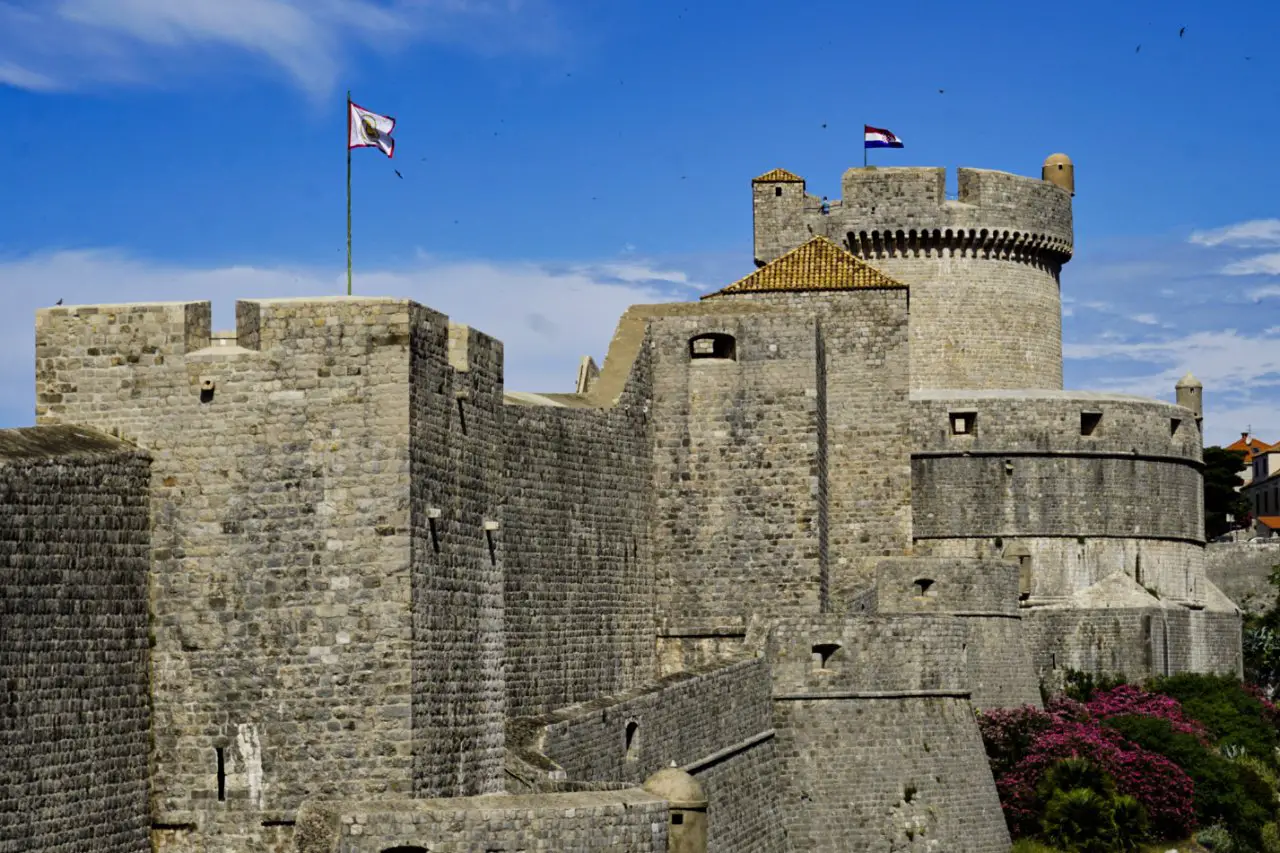
The walls were originally built in the 9th century and fortified in the 14th century. Further strengthening was done in the 15th century, when more forts where added to surround the whole city –giving us the 2 km (1.2 mi) imposing ring of defensive walls enclosing the historical center we see today.
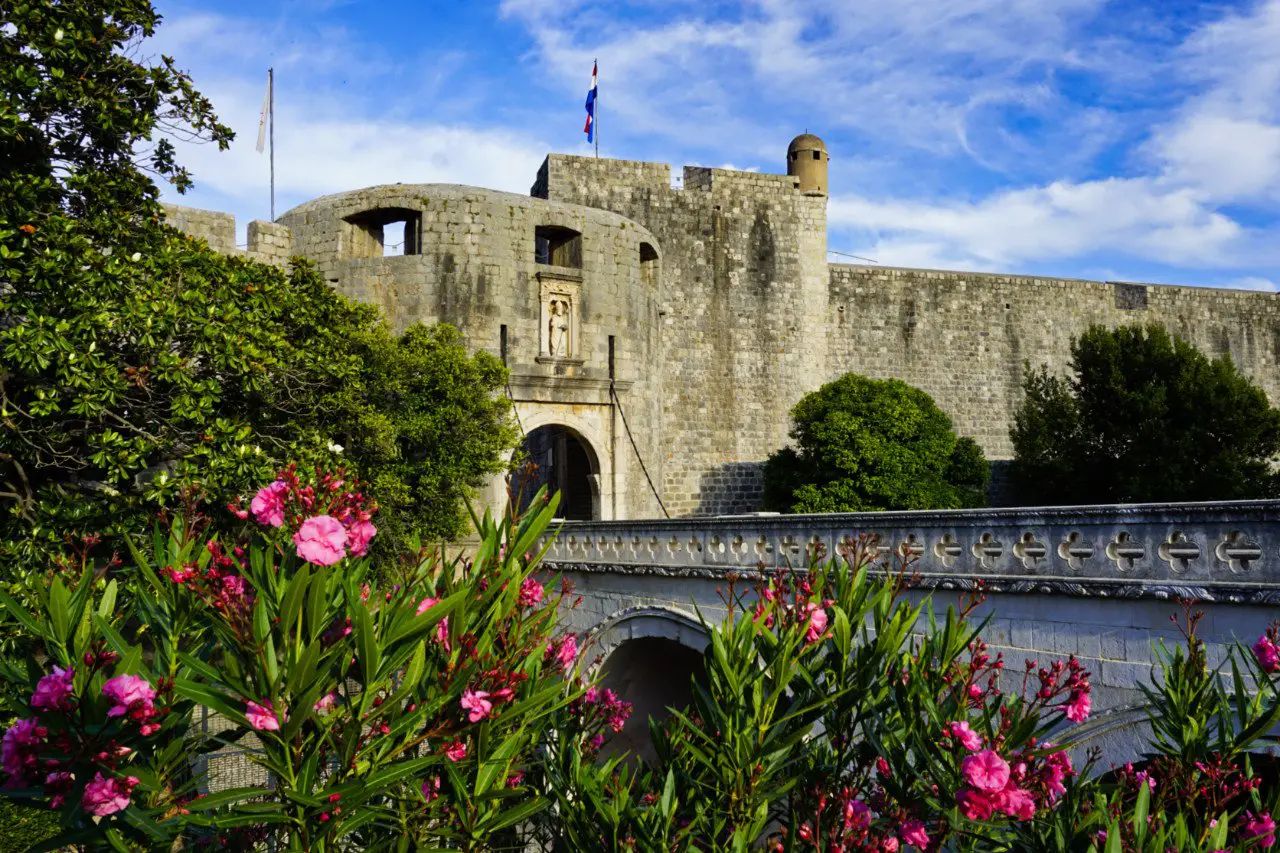
There’re two historical entrances, with drawbridges: the Pile Gate in the west and the Ploče Gate in the east. A third entrance was added at the beginning of the 20th century in the northern wall.
Check current ticket prices and working hours in the official site. You can get tickets online or in any of the entrances –the price is the same, although it’s advisable to book them online in advance during peak season. Keep in mind that this is the main attraction of the city, welcoming well over a million visitors each year. Go as early as possible to try to avoid the crowds. The entrance at the Ploče Gate usually is a bit less congested. Regardless of where you enter, you’re required to walk in an anticlockwise direction.
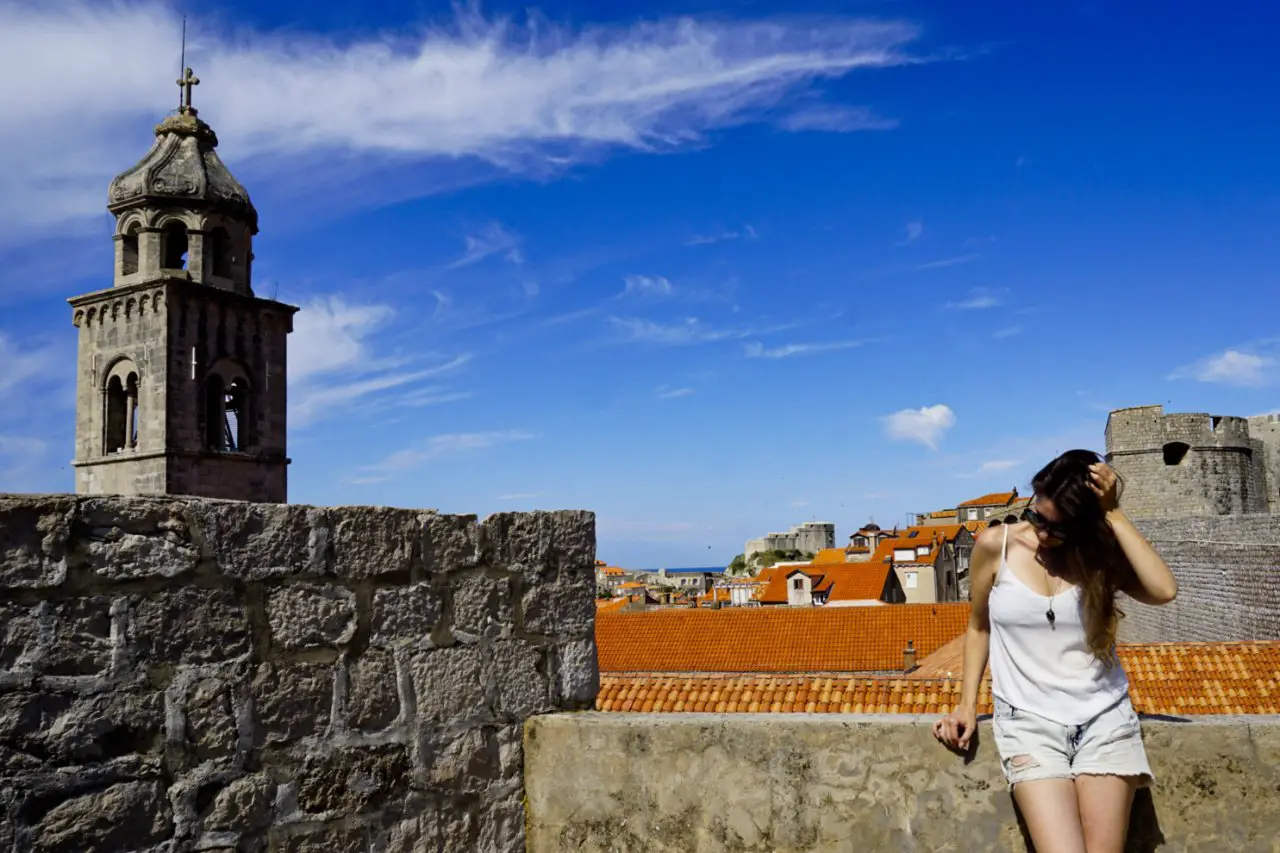
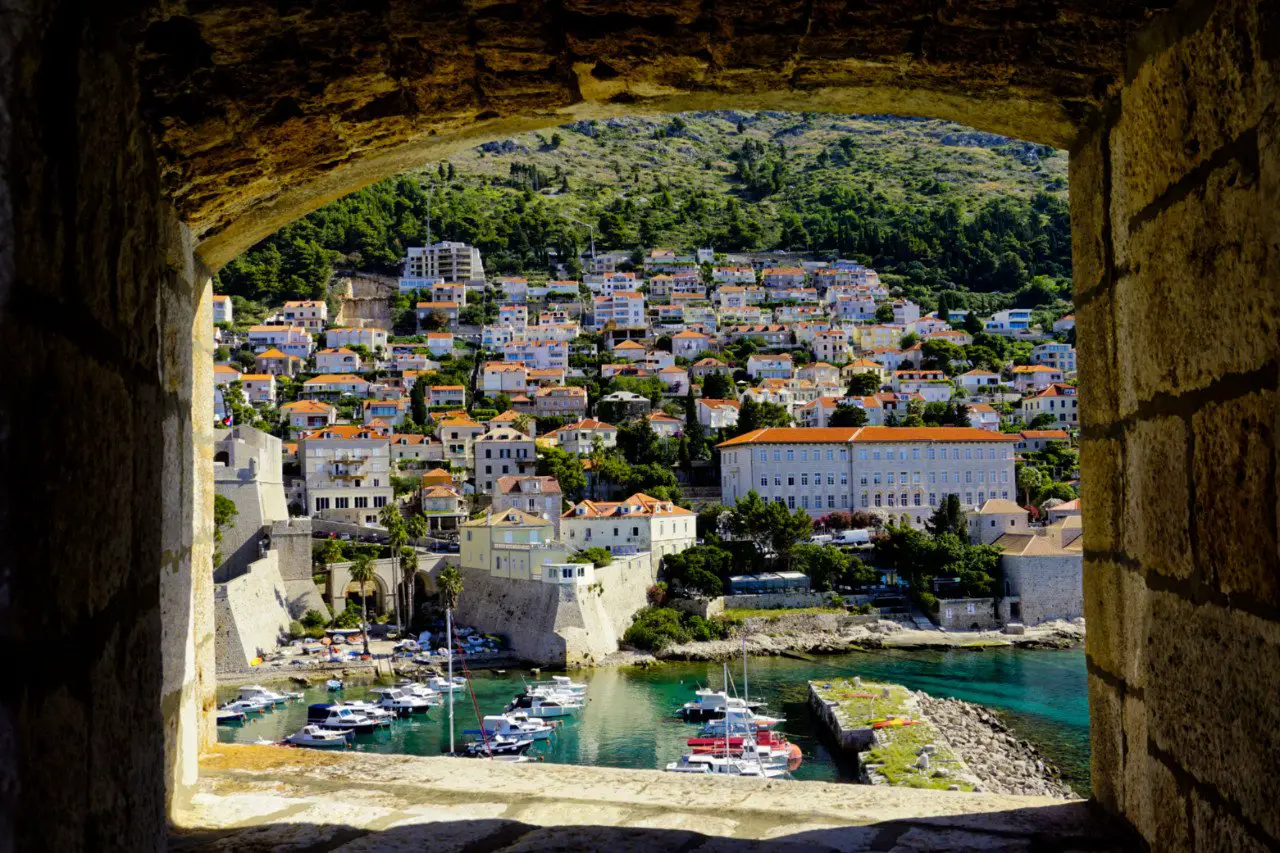
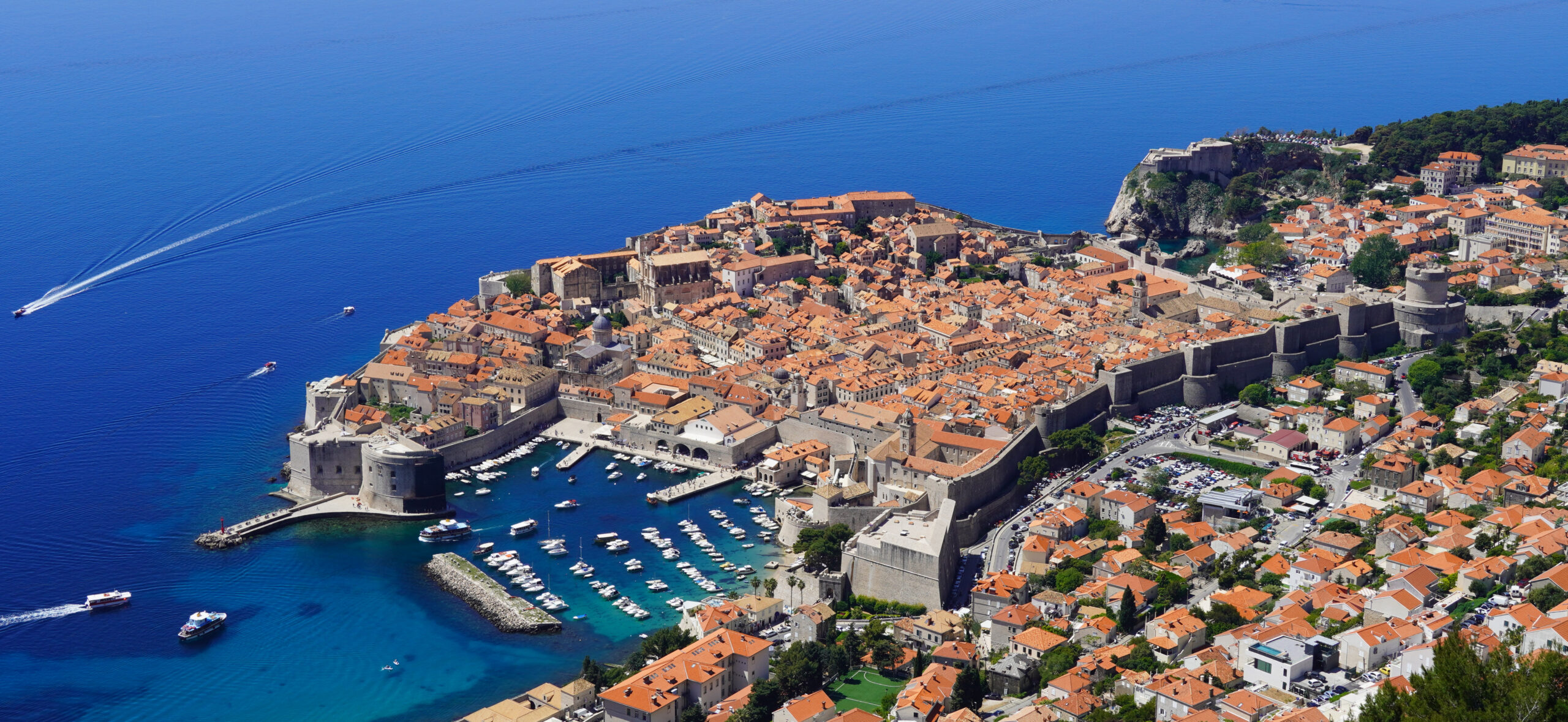
Once you start walking, stop to get it all in. In a charming sea of grey stone covered in terracotta roofs, nothing distracts you but a few darker cupolas and some hidden gardens that reveal themselves from above. The green trees and purple bougainvillea capture your attention until your wandering eyes meet the Adriatic. The deep cerulean sea is spotted with patches of crystal-clear turquoise, that let you explore the bottom even from afar. And then, like that wasn’t enough, a lush little hill emerges from the sea. Lokrum island is the perfect complement of nature while walking the impressive walls.
The City Walls are one of the few urban landscapes that can keep me captivated for hours on end. I hope you think I managed to do the place justice through my lens…
Fort Lovrjenac (St. Lawrence)
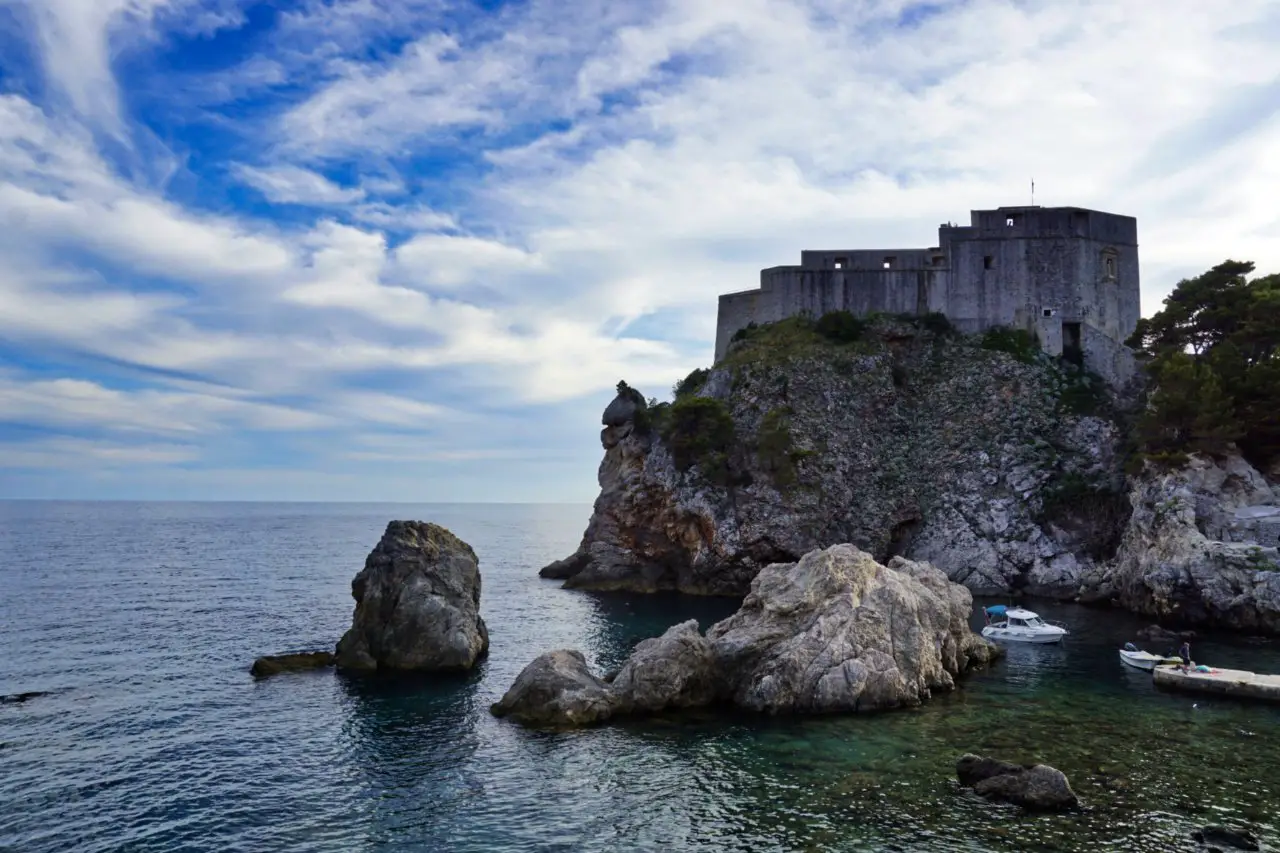
This lonely fort adjacent to the City Walls was built atop of a 37-meter (121 ft) slope to guard the city from the west.
From Pile Gate follow the signs to the stairs that’ll take you to its entry door. The entrance ticket to the walls will also give you access to this fort. The views of the Old Town are worth the effort to go up!
Dubrovnik Old Town
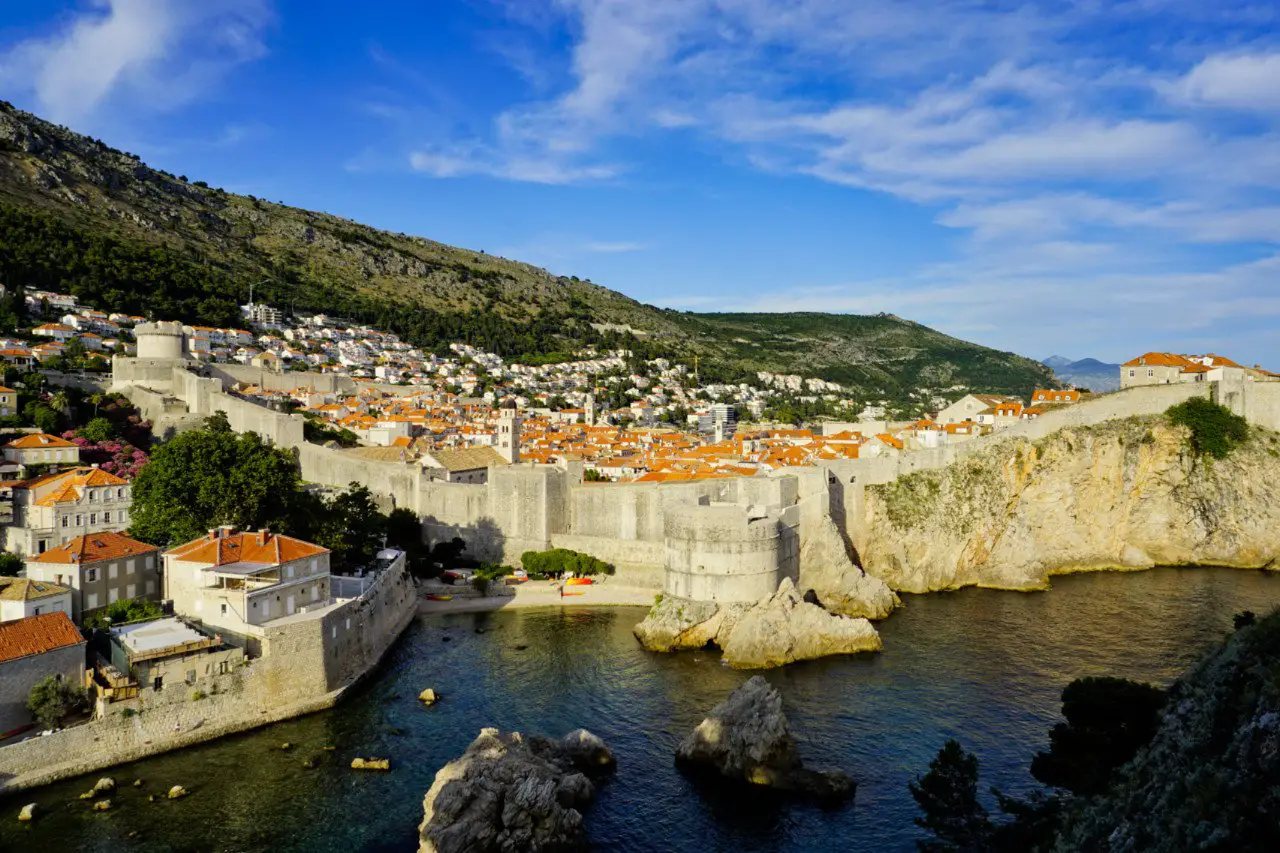
Between defensive towers and churches, a unique city developed. Packed buildings taking every inch from the seaside to the mountains, stairs replace streets in many parts of this inspiring town. Everything is a labyrinth worth getting lost into. In every corner there’s another perfect shot.
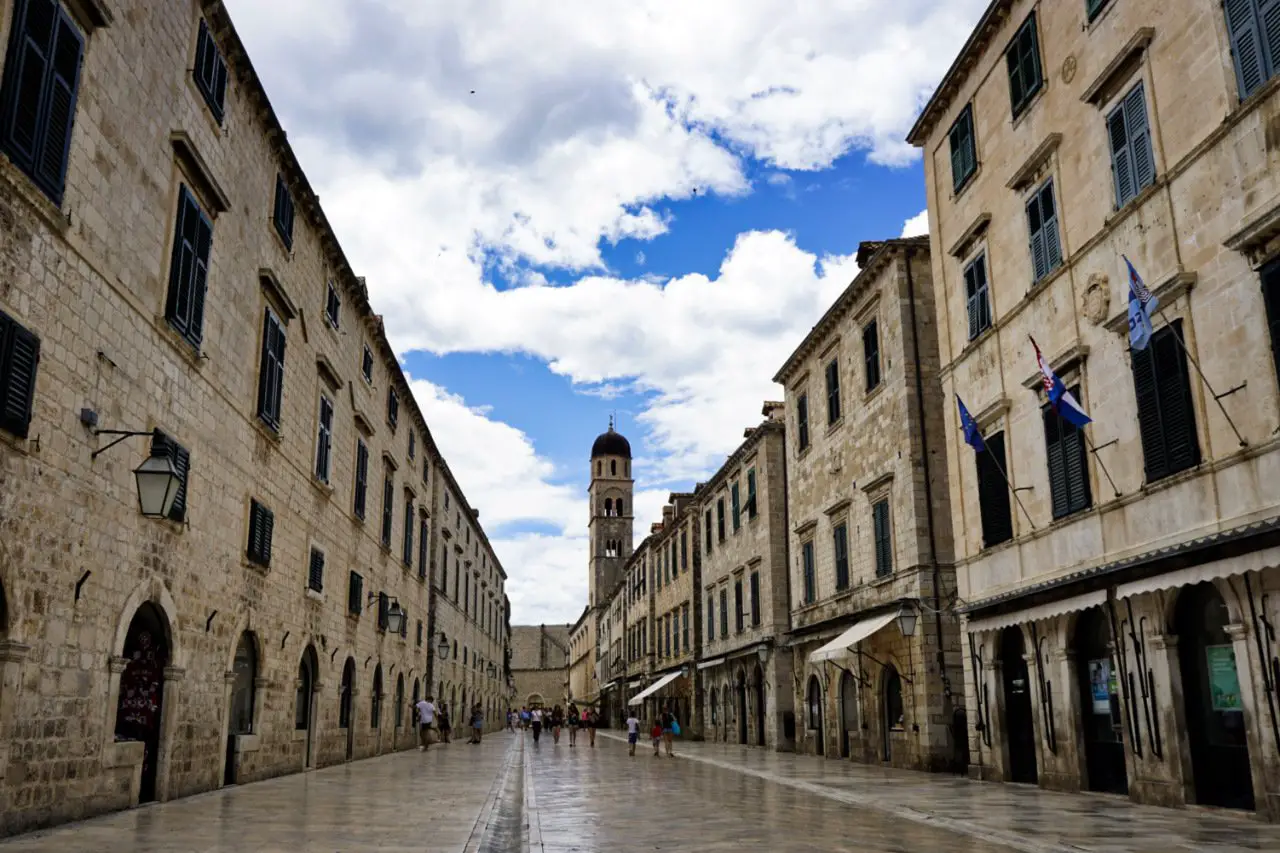
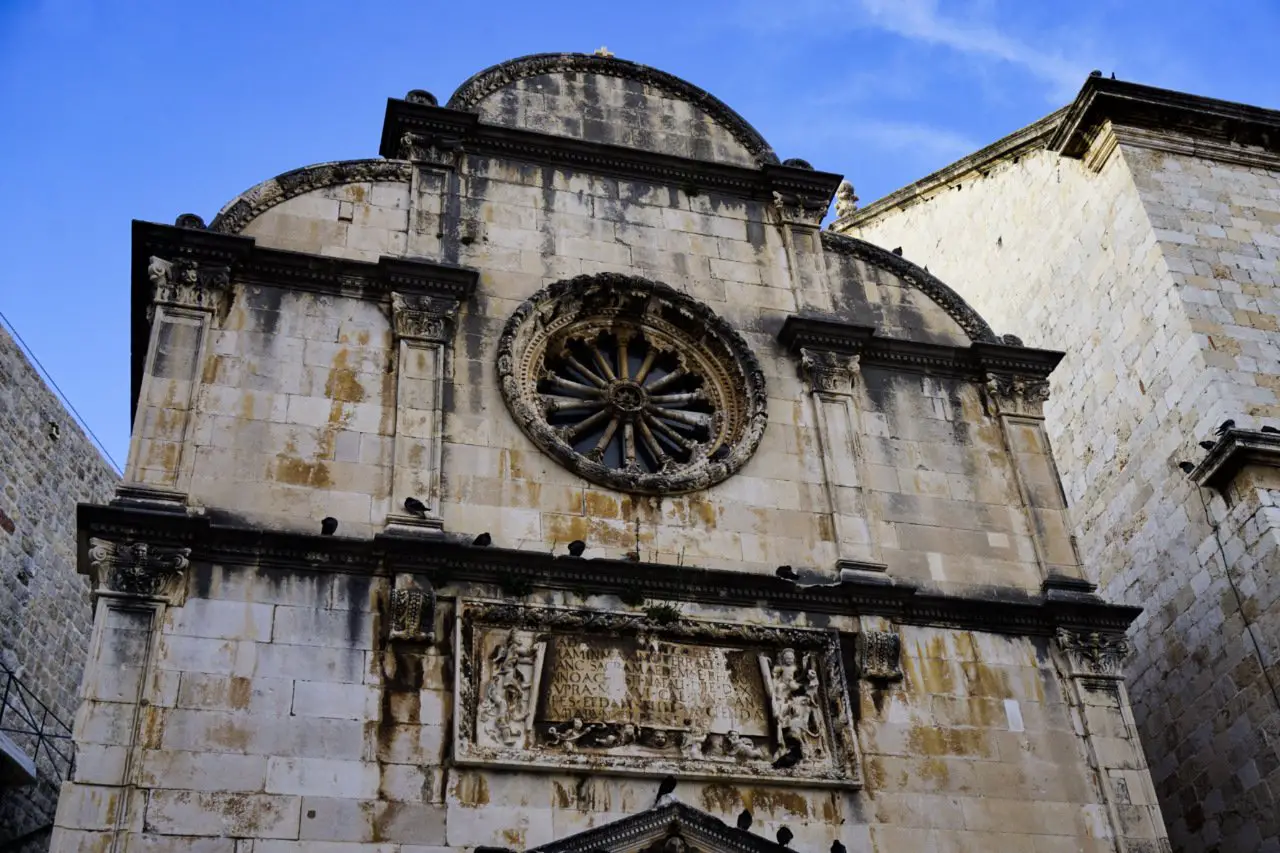
The main sights mostly dot the core passageway of the Old Town: Placa (better known as Stradun). From the Pile Gate you’ll find the Large Onofrio Fountain, part of the 15th century water supply system, in front of the Franciscan Monastery and St. Savour Church. The Monastery features a beautiful cloister with a small garden, and the third oldest functioning pharmacy in Europe.
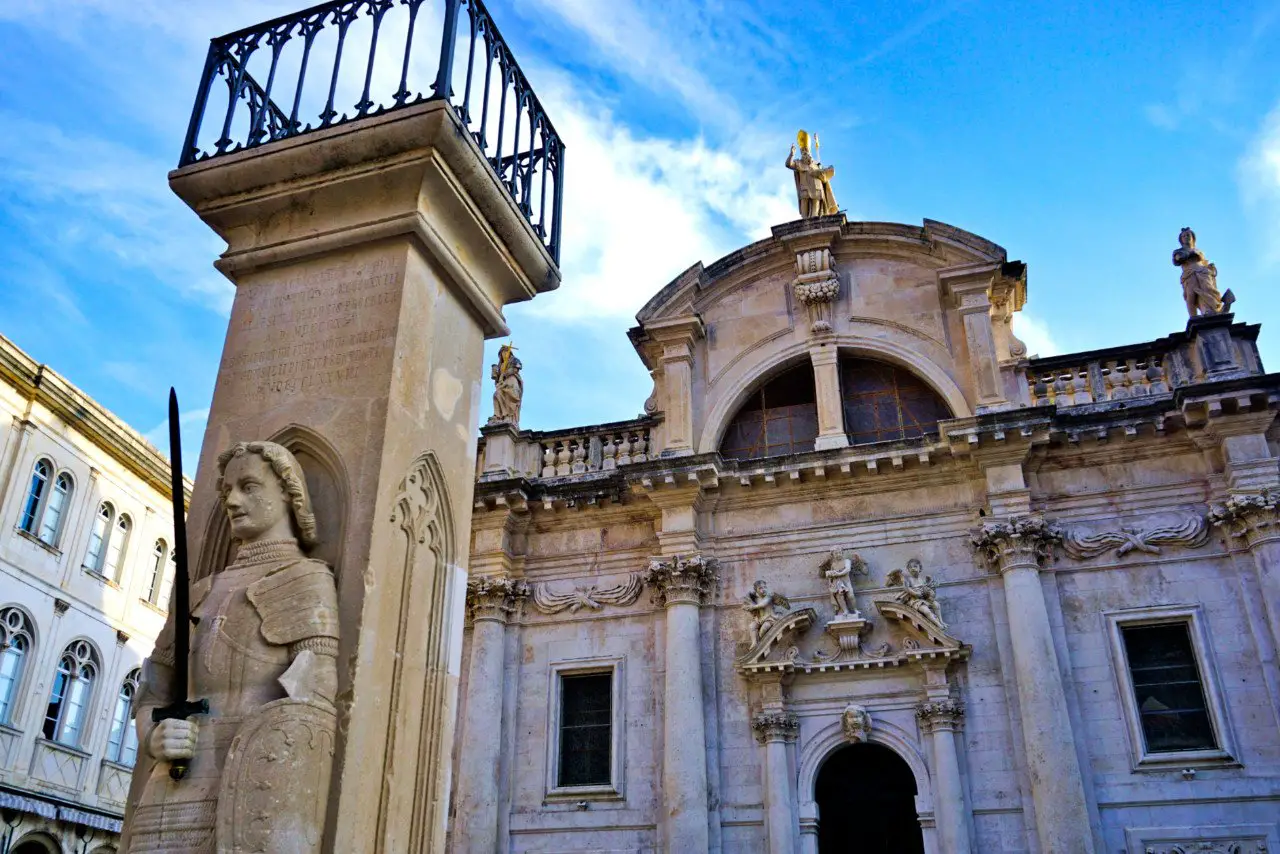
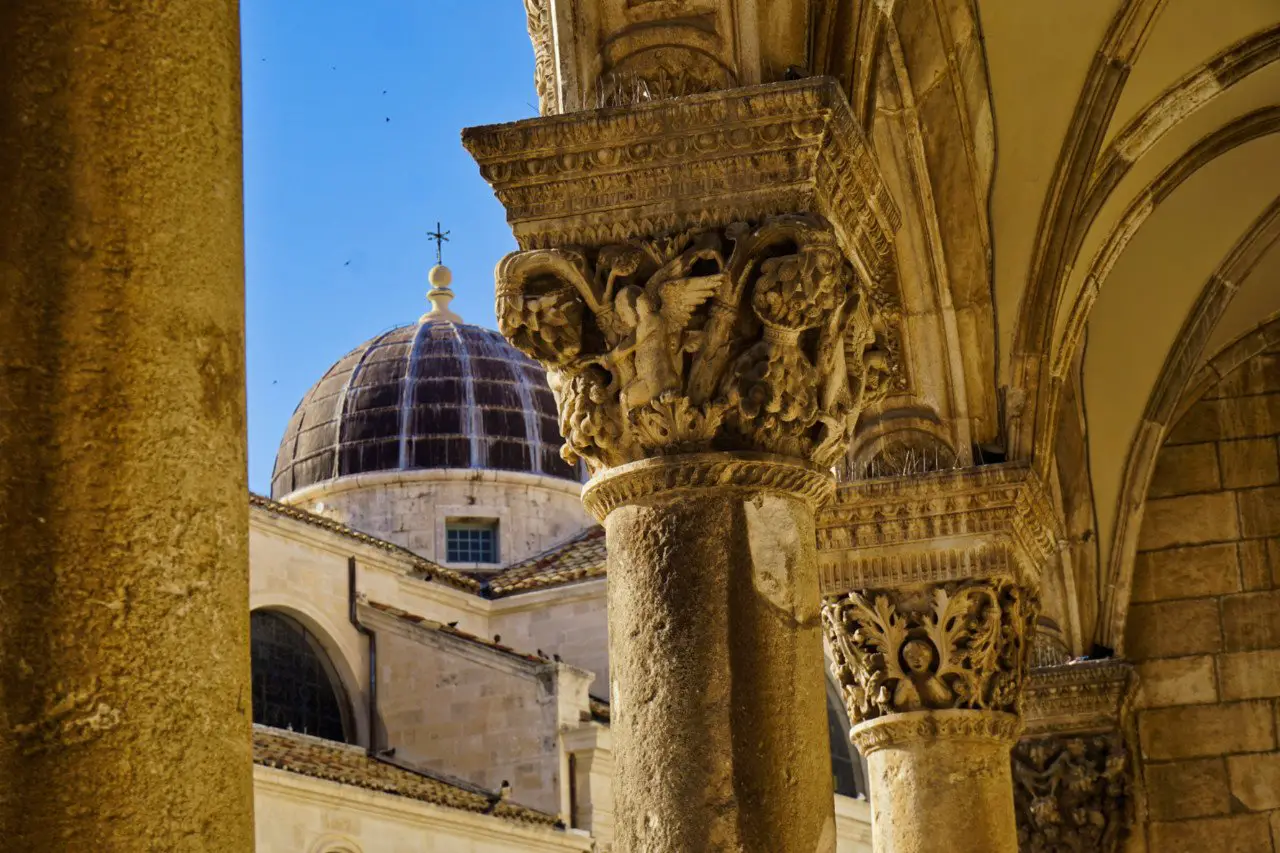
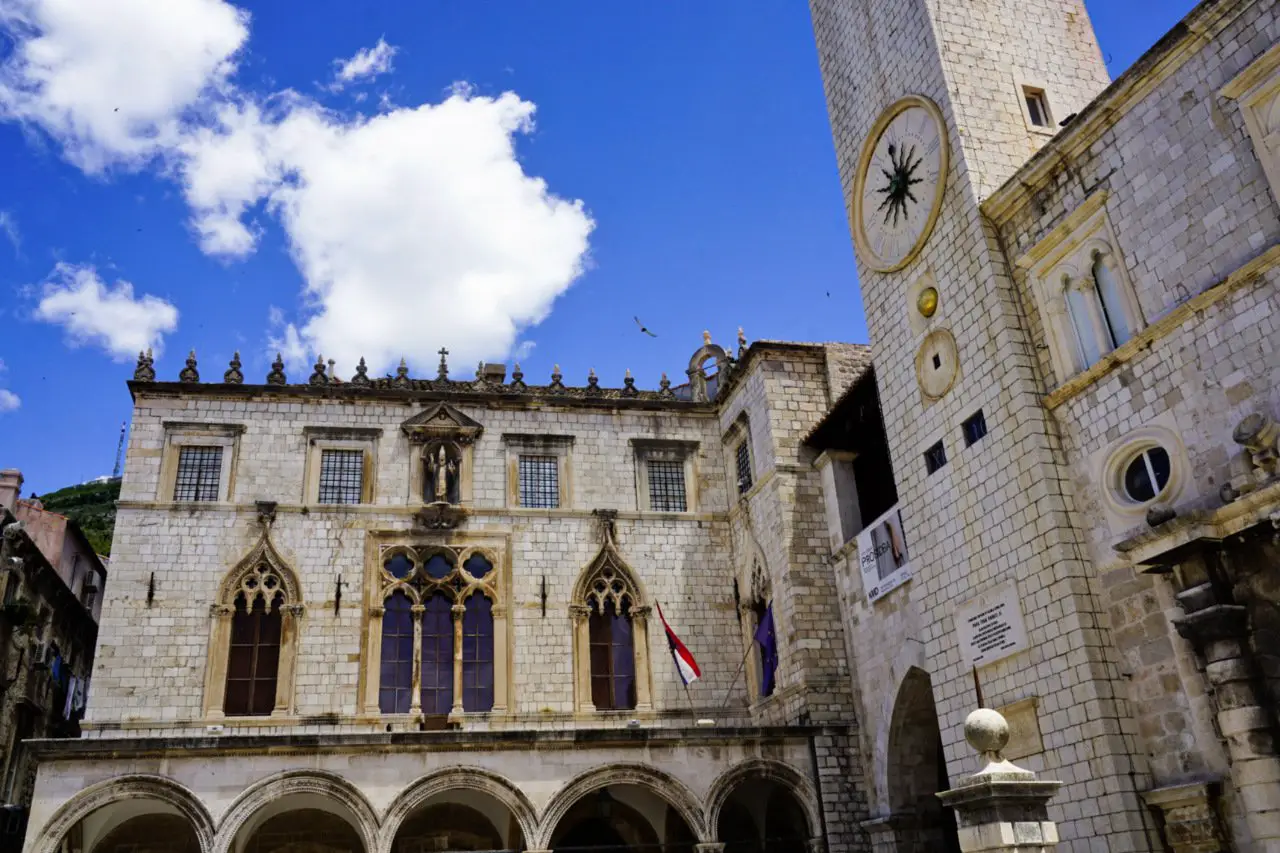
At the other end of Stradun is Luža square, with Orlando column in the center and both the City Bell Tower and the Little Onofrio Fountain in front of it. On one side is the St. Blaise Church, built in the 18th century and dedicated to the patron of the city. In its altar a statue of the saint holds a scale model of pre-earthquake Dubrovnik. On the other side is the Sponza Palace, built at the beginning of the 16th century, with a mix of styles. A Renaissance portico rests on six Corinthian columns. Today only the ground floor is open to the public, where you can see the magnificent cloister, and pay respects to those who perished during the Homeland War in the Memorial Room of the Defenders of Dubrovnik.
To the north is the Dominican Monastery, a 14th century Gothic-Renaissance fortress-like complex. To the east is the old harbor. And to the west is the Gothic-Renaissance, 15th century Rector’s Palace, followed by the Cathedral of the Assumption, a Baroque 18th century replacement of the destroyed 7th century basilica.
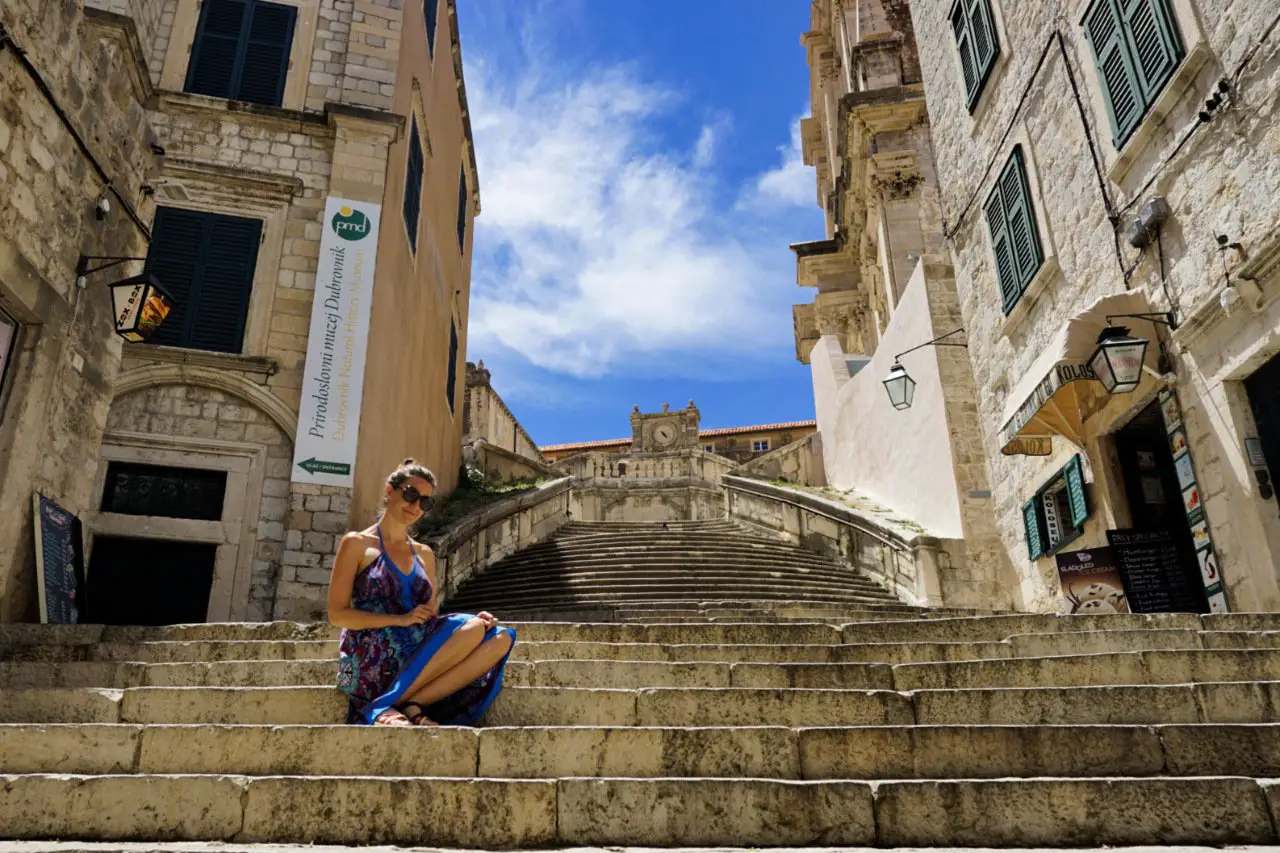
From there, stop by the Gundulićeva poljiana Market to shop like the locals do. And visit the Baroque St. Ignatius Church, sitting atop of a broad set of stairs, which you’ll easily recognize if you’re a Game of Thrones fan –shame, shame, shame!
If you want to fully immerse in the world of King’s Landing, I’d recommend a Game of Thrones tour, where a knowledgeable guide will take you though all the filming locations in town, and will share anecdotes about the production of the show.
Also, don’t miss the War photo Limited exhibit, a gallery featuring the outstanding work of photojournalist Wade Goddard during the Yugoslav War (check their official site for prices and working hours).
Mt. Srđ
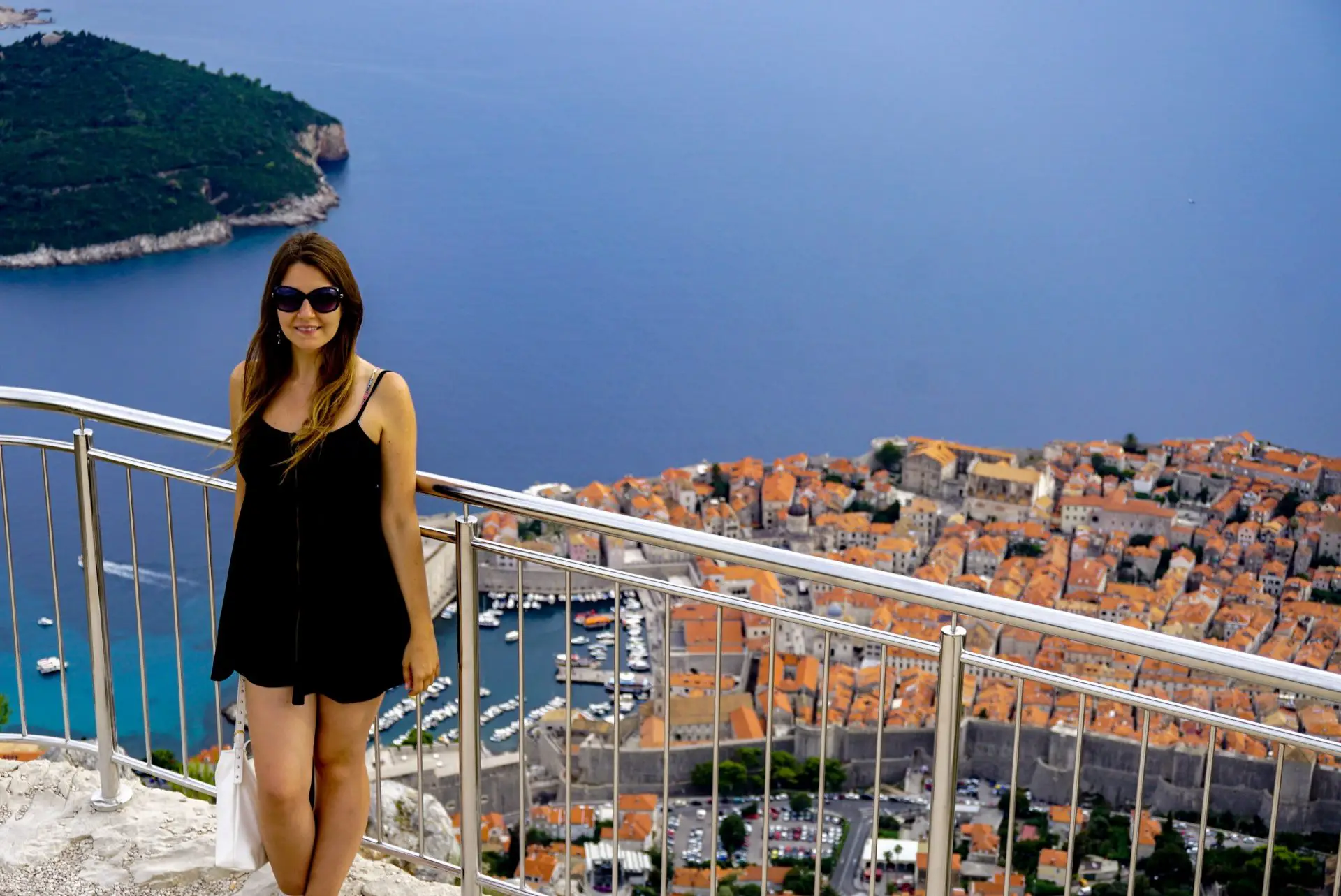
This 412-meter (1352 ft) hill overlooks the city, giving its visitors a spectacular panorama of the Old Town and its surrounding walls, plus Lokrum and the Elafiti islands. There’s a hiking path to reach the top, you can drive your own car, or you can simply take the cable car (check their official site for prices and working hours).
My recommendation is to go up in the late afternoon, to see the city in daylight, and wait for sunset for awe-inspiring views. There are two panoramic terraces that you can access for free. If you’re feeling fancier, there’s a restaurant/bar on top –aptly named ‘Panorama‘–, so you can enjoy an overpriced drink while absorbing the vistas. There’s also the Skyview, a set of four cascading terraces leading you to the edge of the cliff where you can take great photos with the city at your feet (for a couple of euros fee).
Beaches in Dubrovnik
You’ll find dozens and dozens of places to swim and sunbathe. From tiny coves to established beaches, you can choose a secluded spot if you want peace, or a popular location with beach bars and music.
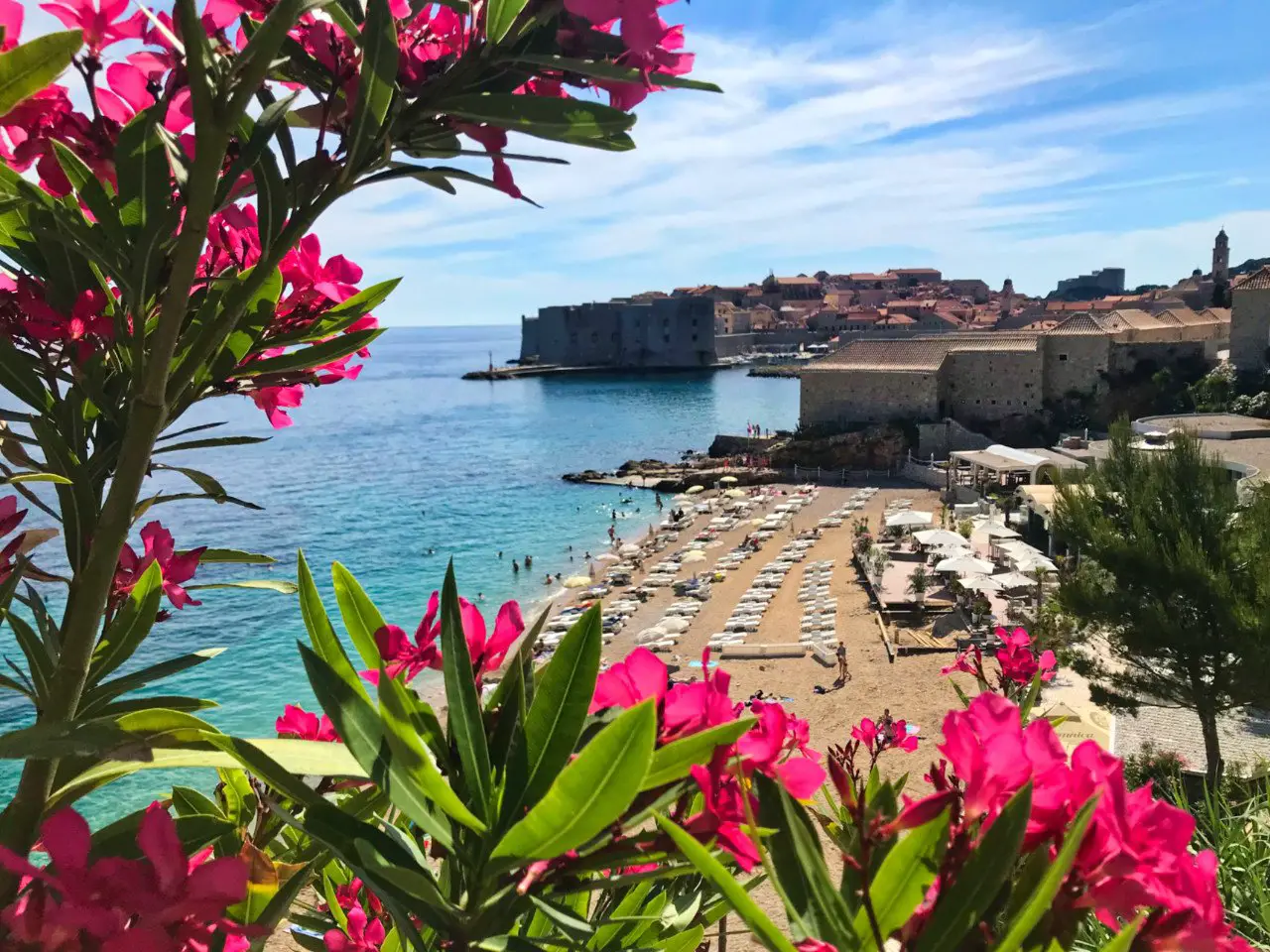
The most known is Banje beach, just outside the Old Town, a few-minute walk from Ploče Gate. There you’ll find a small beach with lovely views of the city, plus drinks, food and water sports –kayak rental, wakeboard, flyboard, and the like. Towards the east, there’s Sveti Jakov beach, with the same vibe, but crowded mostly by locals.
To the east of Pile Gate there’s the rocky Danče beach, at the feet of Gradac park.
In Lapad, the bay where most of the resorts in town are located, the most popular beaches are Bellevue and Uvala Lapad, while in the northern part of the peninsula, Babin Kuk, the best one is Copacabana, where you can find water chutes, kayaks, jet skis, banana boats, and plenty more aquatic entertainment.
Kayak to sunset and other adventures
A beautiful way to see the day fading into the night is by taking a sunset sea kayaking tour. You’ll spend a few hours paddling beneath the City Walls and around Lokrum island, and you’ll get the opportunity to swim and snorkel in the Betina cave.
For the coolest aerial views, you can fly above the Adriatic Sea, a forest canopy, and steep cliffs in this 900-meter zipline in a Superman position, or watch the sunset from above followed by local wine tasting with this sunset and wine zipline experience. If you want even more adrenaline you can go Sky Biking, a bicycle ride on a slackline. Or even enjoy a thrilling dinner in the sky.
Cliff bars
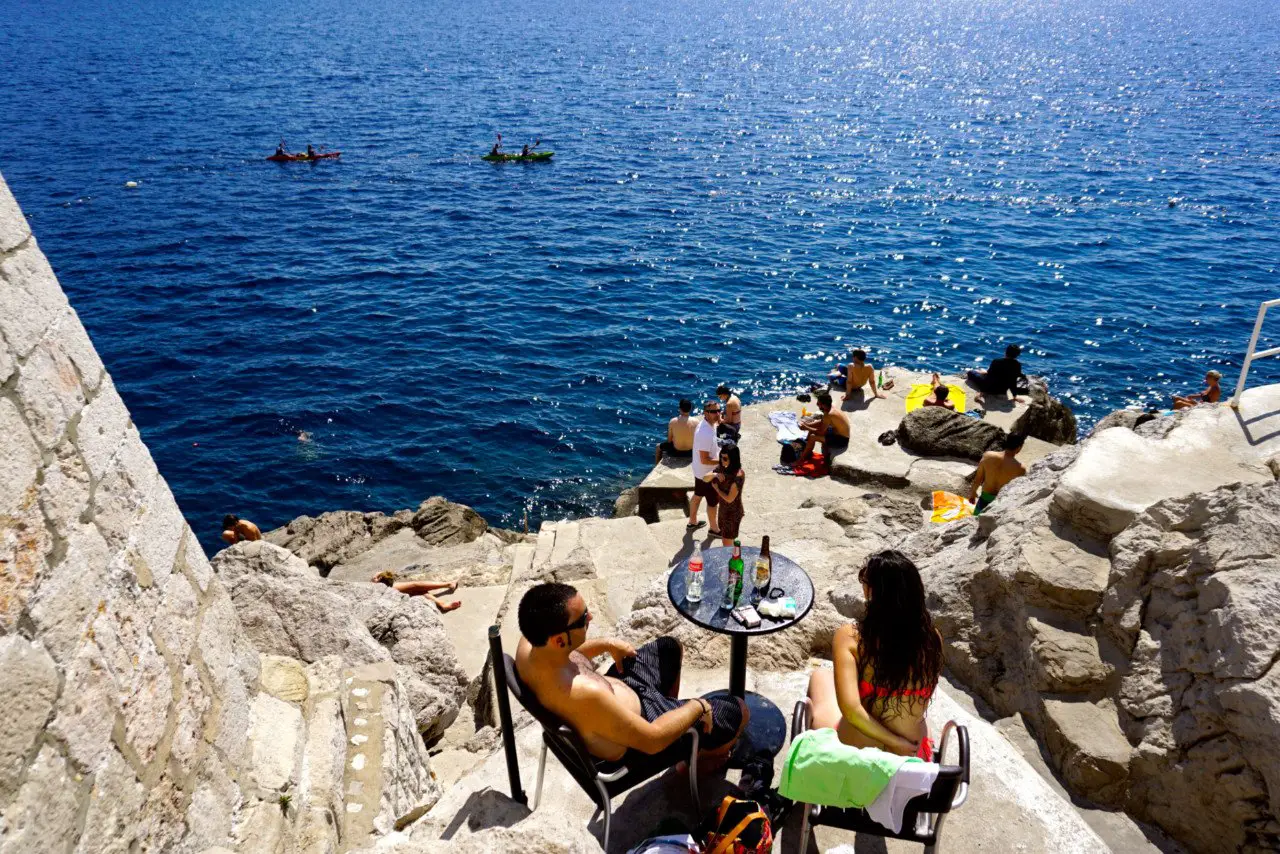
Bard Mala Buža and Buža Bar are a hole-in-the-wall, literally. Drinks are expensive, but the views and the possibility to jump to the sea at any point during your stay makes them a cool spot. They get crazy busy during sunset, so stop by at any other time.
Lokrum island
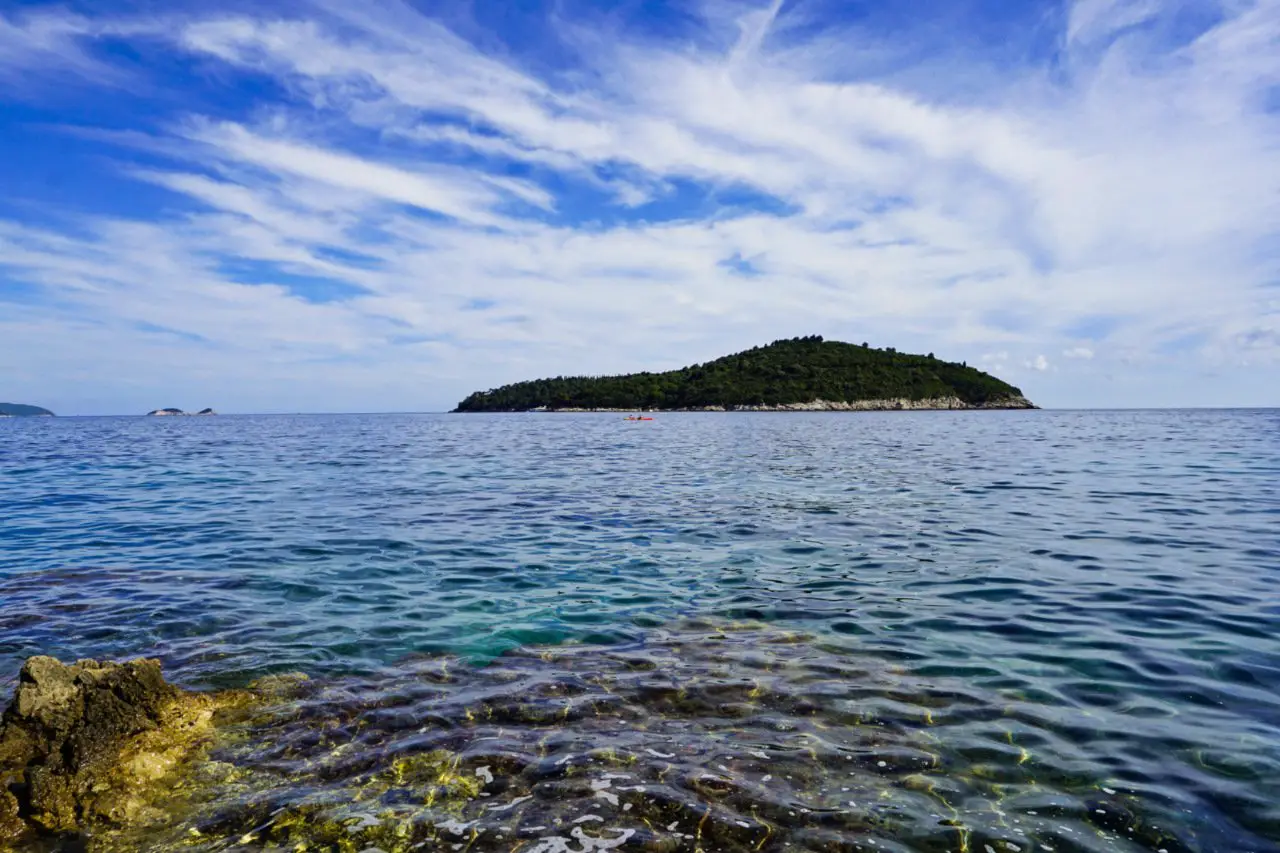
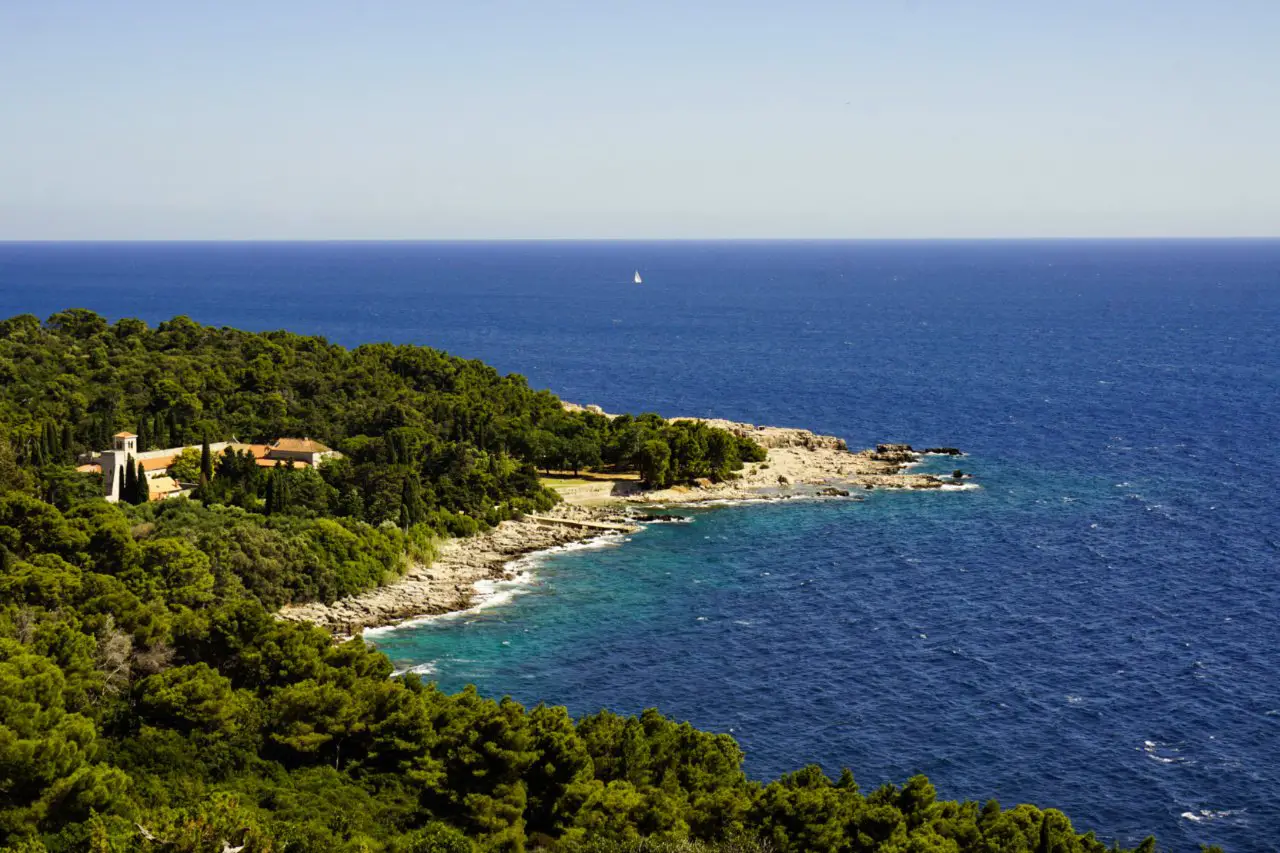
A quick 10-minute ferry ride will transport you from architecture heaven to nature’s paradise. This beautiful lush small island is the perfect escape from the city.
It’s a nature reserve where you’ll find rocky beaches, forests and exotic flora and fauna. The island is also home to the remains of a Benedict Monastery and garden –which nowadays holds a Game of Thrones exhibition, where you can sit in the Iron Throne. There’s also Fort Royal in the highest point of the island, at 97 meters (318 ft), with incredible views of Dubrovnik’s Old Town. And you can find the “Dead Sea”, a small lake linked with the open sea, an ideal spot to swim and find some shade by the water.
Ferries leave hourly from Dubrovnik’s old harbor (every half an hour during the peak of summer), from April to November. Check their official site for current times and prices.
Dubrovnik Summer Festival
Even though I strongly advise to avoid visiting Dubrovnik during the peak of summer, I can’t not mention the Dubrovnik Summer Festival, an iconic event in the city, which has been celebrated since the 1950s.
It is held every year between the 10th of July and the 25th of August, offering a broad programme of music, drama, exhibitions, opera and ballet, in several locations around the city.
Tickets can be purchased in the official site, however, some of the events have free entrance.
Day trips from Dubrovnik & where to go next
Day trips
The best options for day trips are to Cavtat, an old Greek turned Roman city, founded on the 6th century BC; Trsteno Arboretum, a beautiful Renaissance garden (and the setting of the Red Keep palace gardens in King’s Landing); and the Elafiti islands, an archipelago with three inhabited islands which are a breath of fresh air, pure peace from hectic Dubrovnik. You can do a full-day 3-island tour from the old harbor, or take a ferry from the ferry port and visit one or two in a day, independently. Another beautiful trip is a half-day of swimming and snorkeling in the Blue Cave.
All the destinations in the next section can also be done as a day trip, but I truly feel they deserve more time, so I’d recommend staying for one night at the very least. If you don’t have the time to stay longer, then I’d suggest taking a tour, because visiting these places independently can be time consuming. Here are some recommendations:
Where to go next?
Croatia is fairly small and quite easy to navigate, so most people jump from Dubrovnik straight to Split, Istria or Zagreb. But the surrounding area has tons to explore.
The Pelješac peninsula is the heart of Croatia’s wine country, offering also amazing beaches and cute little villages to completely disconnect for a few days.
In the same peninsula is Ston, an important historic town, famous for its salt production, and its defensive walls, known as the “European Wall of China”.
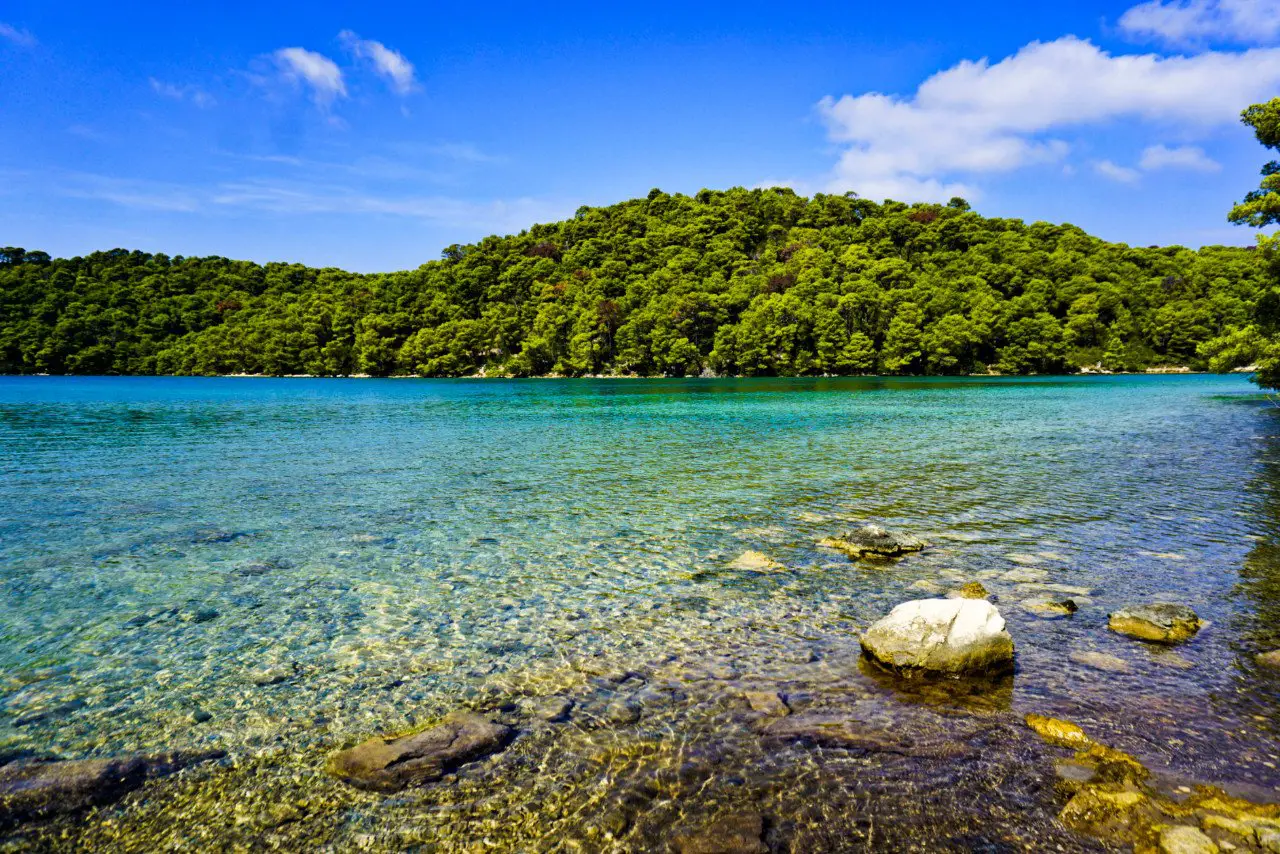
The islands in the Dubrovnik-Neretva county are also a must-visit. Korčula is a mini Dubrovnik, a beautifully preserved small walled city that claims to be the birthplace of Marco Polo (and even though it wasn’t, it’s charming). Mljet –my personal favorite island– is a lush paradise, with a National Park with two beautiful lakes in one side of the island, and world-class sandy beaches on the other.
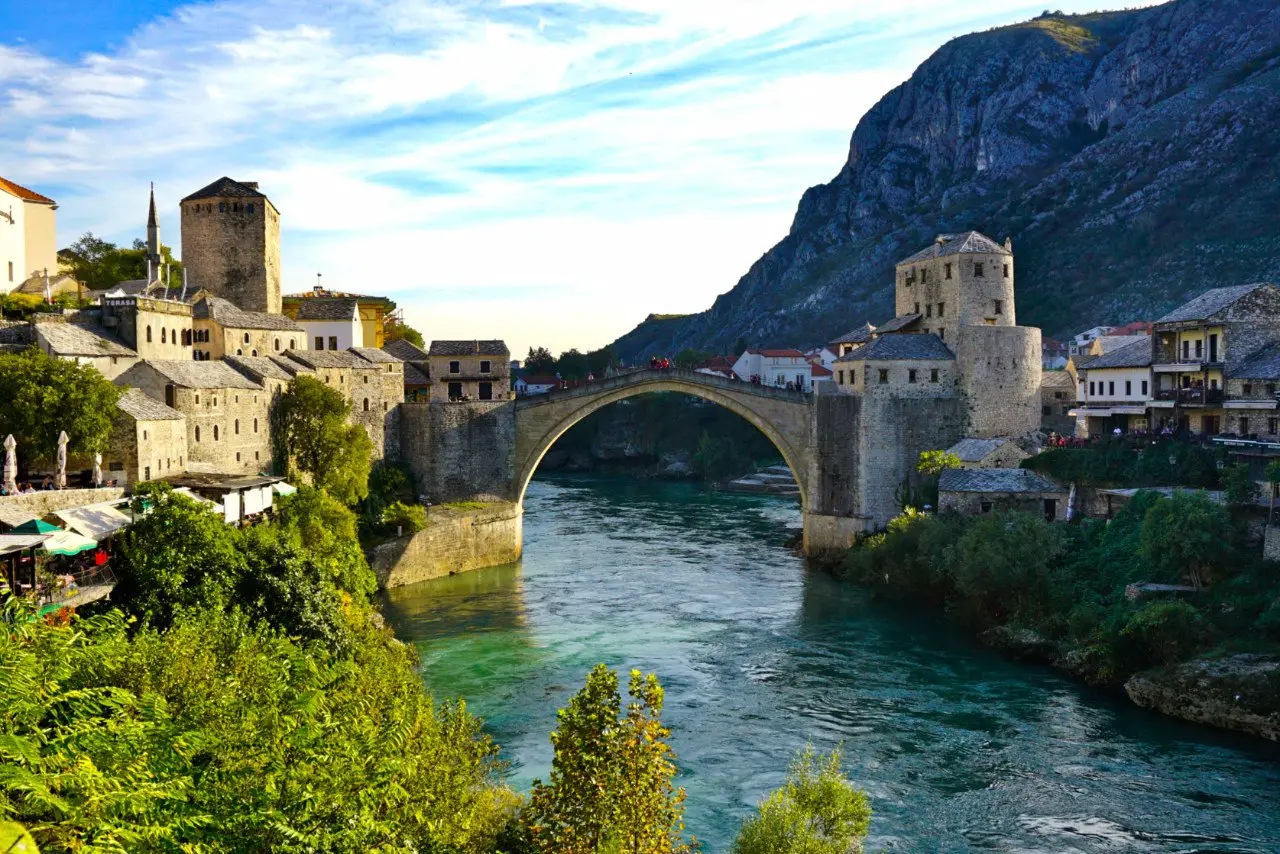
Dubrovnik is also a good starting point to explore neighboring countries. Kotor in Montenegro and Mostar in Bosnia and Herzegovina are just about two hours away.
Sustainable tourism in Dubrovnik
How to visit sustainably and help fighting overtourism in Dubrovnik
Dubrovnik is paying the price of its own success. Overtourism is slowly destroying the city’s charm, and also the experience of those who visit it. But there’re plenty of steps you can take to be a sustainable traveler, and improve your travel experience to enjoy your visit to Dubrovnik to the fullest.
Don’t take a cruise
Cruises are a great way to visit islands and fjords, but they tend to be harmful when it comes to cities. Dubrovnik is home to 28.000 people –with only about 1.500 living inside the City Walls–, and during high season it used to welcome several ships a day. Since 2019 there’s a cruise passenger limit per day of 8,000 people (4,000 in the morning, 4,000 in the afternoon), most of them hanging around within the walls. Add the ferries, private yachts, buses and cars, and the result is overtourism. There’s no way you’ll enjoy your visit with this many people around.
Instead, stay in the city for longer, at least a few days. You’ll get to properly see it without rushing through the walls, and you’ll contribute to the local economy by paying for accommodation and meals that otherwise you’d get on the cruise.
Visit off season
I keep saying this over and over every single time I talk about sustainability, but I can’t stress it enough: avoid peak season!
Shoulder season in the Adriatic coast is amazing. It still feels like summer, with the sea warm enough to comfortably jump in from May to October, but sans the crowds!
Winter is also spectacular. I’ve written a whole guide about winter in Croatia, because there’s plenty to do all over the country, but for Dubrovnik is extra especial, since they celebrate their patron saint, St. Blaise, on the 3rd of February –a tradition that has been going on for over a thousand years!
If you have no other choice but to visit during the peak season, make sure you enter the Old Town before 9AM or after 6PM. I usually recommend going at sunrise or late in the evening, when cruise ship visitors have left and the streets feel almost peaceful again.
Don’t visit as a day trip
It’s really common to squeeze Dubrovnik in when in Montenegro or Bosnia and Herzegovina. These neighbor countries’ most visited places –Kotor and Mostar– are close to the Croatian border, so it’s easy to be tempted to check one more country off. Well, it’s not worth it as a day trip. You’ll be running, you’ll just get a glimpse of the city, and you’ll end up spending more time in motorways and border control than in the place you wanted to visit.
Same goes the other way around. If you want to visit Montenegro or Bosnia –and trust me, you do– you should leave at least a few days for them.
Connections between the three countries are easy. There are regular routes from and to Dubrovnik bus station.
RELATED POST: Best of Sarajevo: where the East meets the West
Eat and drink locally
Dubrovnik sits at a geographic sweet spot that most visitors don’t think about. Just north of the city, the Neretva Valley is a mirage of fruit groves, crops and canals —an unlikely oasis in an otherwise jagged coastline— and it’s what puts fresh, seasonal produce on Dubrovnik’s tables. The sea fills in the rest: fresh fish, octopus, shellfish pulled from the same Adriatic you’re swimming in. Eating well here isn’t difficult. Eating well and sustainably just requires a little intention.
Start at the Gundulićeva Poljana market, the open-air square behind the Cathedral where locals shop for fruit, vegetables, olive oil and local honey. It’s the most direct way to spend your money in the local economy and one of the more grounding experiences in a city that can sometimes feel like a stage set.
For sit-down meals, the rule is simple: the further you walk from Stradun, the better the ratio of quality to price. A few minutes up the stone stairs into the residential streets above the Old Town and you’re in different territory —cheaper and often far better. If you want a specific recommendation, Soul Kitchen and Arka champions local produce and absolutely deliver.
When it comes to wine the Pelješac peninsula —that long, narrow finger of land you cross to reach Dubrovnik from the north— produces some of Croatia’s finest reds, particularly Plavac Mali, a grape with the kind of depth that rewards a second glass. Korčula island, just off its coast, is the home of Pošip and Grk, two white varieties that taste exactly like sitting by the sea in the best possible way. If you don’t have time to visit either —and they’re both worth the detour— D’vino wine bar in the Old Town will give you a well-curated introduction without leaving the city walls.
Avoid single-use plastic
Remember we talked about the innovative water supply system built in the 14th century? Medieval engineering works wonderfully, even today! The two Onofrio fountains (in each end of Stradun) offer potable water to everyone in the city. Just make sure you have a reusable water bottle and fill it up while you sightsee.
The general rule in the touristic sights in Croatia is that water is drinkable unless specifically stated otherwise.
Get out of Stradun
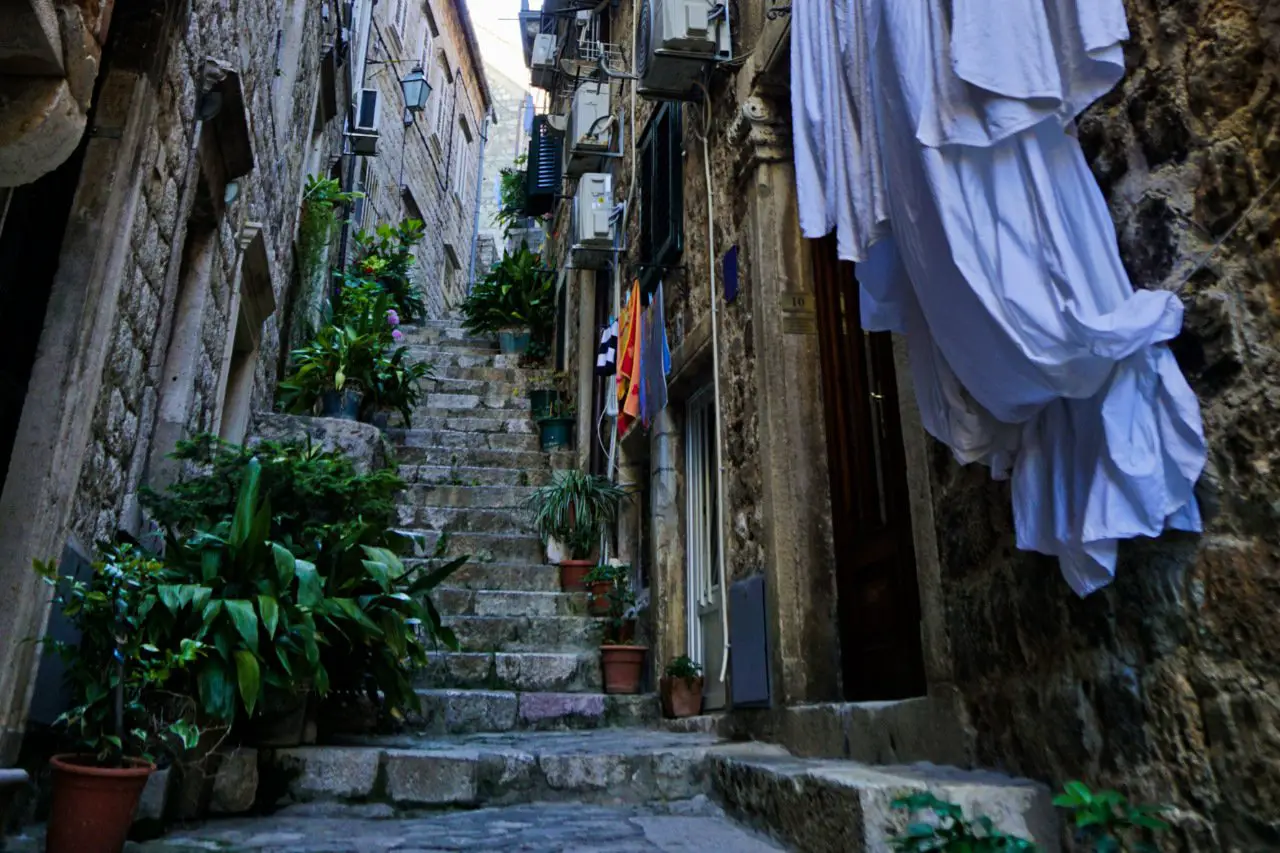
This 300-meter (985 ft) limestone-paved pedestrian street is the heart of the city, connecting the two main gates into the Old Town. Sure you’ll walk it, but remember to also leave it. There’s a lot more within the walls –just follow any alleyways upstairs to discover more of the town.
Also remember than there’s more than the Old Town. Go to the beaches in Lapad, hike (or take the cable car) to Mt. Sđr, and visit Lokrum island. You’ll get beautiful views of the city, but you’ll help with un-crowd it.
RELATED POSTS:
The Ultimate Guide to Sustainable Travel
Sustainable Travel Photography
FAQ / AT A GLANCE
This is the question I get asked most often, and I’ll be honest with you: yes, it can be overwhelming, and yes, it’s absolutely worth it. Dubrovnik is genuinely one of the most beautiful cities in the world. The overtourism problem is real, but it’s also manageable if you plan well. Visit in shoulder season, stay at least a few nights, get up early, wander off Stradun, and you’ll understand why people have been falling for this city for centuries. The crowds aren’t a reason to skip it, but to approach it more thoughtfully.
Shoulder season –May to June and September to October– is unequivocally the best time. The weather is warm and reliable, the sea is swimmable, and the city hasn’t yet tipped into the chaos of July and August, when cruise ships, package tours and school holidays all converge at once. Peak summer (July–August) accounts for roughly half of Dubrovnik’s annual overnight stays, which tells you everything you need to know about what those streets feel like. Winter (November–March) is quiet, affordable and genuinely beautiful for a city break –many restaurants and island ferries scale back, but the Old Town almost to yourself is its own kind of reward. The Christmas markets in December and St. Blaise’s Day on February 3rd are particularly good reasons to visit in the cold months.
Four days is the sweet spot, more if you want to spend more time at the beach or use the city as a base. Two days cover the essentials –the walls, the Old Town, a museum or exhibition, Lokrum, Mt. Srđ –but doesn’t leave room to breathe, and breathing is rather the point. A third or fourth day opens up the best of what surrounds the city: a day trip to the Elaphiti islands, a wine afternoon in Pelješac, a slower morning in a neighborhood that isn’t Stradun, guilt-free sunbathing.
Keep in mind that this is, by far, the most expensive city in the country (probably even in the whole Balkans), so book ahead to keep your options open.
The neighborhood you choose shapes the entire trip. Inside the Old Town is the most atmospheric option: you are steps from everything –worth it if your budget allows. Ploče is quieter, with easy access to Banje Beach. Pile is flatter with good bus connections. Lapad is ideal for a beach holiday rather than a city break: more affordable, resort-like, good for families. Also consider staying around the city –nearby Mokošica, Zaton, Mlini or Cavtat are ideal for a more peaceful (and cheaper) stay.
My recommendations → splurge: Boutique Hotel Stari Gradi (in the Old Town); mid-range: Caleda Rooms (in Pile), Hotel Uvala (in Lapad) or Hotel Seventh (in Cavtat); budget: Marin San (in Mokošica) or Hotel M (in Zaton); backpackers: Hostel Free Bird (in Gruž) or City Walls Hostel (in the Old Town).
Dubrovnik airport (DBV) is about 20km (12mi) southeast of the city. The easiest option is the shuttle bus (10/15€ one way/return, ~35–45 minutes). It departs around 30 minutes after each flight arrival and drops you off at the main bus station in Gruž or at the Ploče Gate (Old Town). For a more flexible alternative you can take an Uber/Bolt or taxi (~30 minutes for ~30-55€) or book a transfer service, especially if it’s a bigger group. The cheapest option, but slower and less convenient if you have luggage, is to take public bus No. 11 or 27 (4€, paid in cash to the driver).
The Dubrovnik bus station and ferry terminal are in Gruž, about 3 km (1.9 mi) from the Old Town. To reach the city, you can get a public bus –buses 1a, 1b, 3 and 8 will leave you at Pile Gate, while bus 7 will drop you off in Lapad (from Pile Gate buses 4, 5, 6 and 9 also go to Lapad). The ticket can be purchased from the driver for 2,5€.
Mt. Srđ is a must. You can drive, take the cable car or hike up. A trip to Lokrum island is also highly recommended.
A few things I’d book in advance rather than leave to chance: a Game of Thrones tour is still the most popular guided experience in the city, and a good guide genuinely adds context that you’d miss on your own. Sea kayaking at sunset is one of those experiences that sounds touristy and turns out to be genuinely spectacular. An Elaphiti islands day trip offers a completely different pace from Dubrovnik proper. For the wine lovers, a Pelješac Peninsula wine tour will allow you to taste some of Croatia’s best reds. And for adventure seekers, Sky Biking, a dinner in the sky and a 900-meter zipline in a Superman position surly will get your heart rate up.
No –and inside the Old Town you couldn’t drive one even if you wanted to since it’s entirely car-free. Dubrovnik’s local bus network (Libertas) connects the main neighborhoods reliably, Uber works well, and water taxis are available for coastal spots. That said, a car becomes genuinely useful if you’re planning day trips where your own wheels give you freedom and flexibility. If that’s your plan, renting for a few days rather than the whole stay is a practical approach. Just know that parking near the Old Town is limited and very expensive.
Completely. Croatia is one of the safest countries in Europe. Petty theft is the main thing to be aware of in peak season –the usual crowded-tourist-area caution applies –but violent crime is essentially a non-issue. Solo travelers, including solo women, can visit without any concerns.
The most expensive city in Croatia, without question –and by some margin. A coffee on Stradun costs north of 5€; step one street back and it’s half that. A meal at a restaurant will easily set you back 20–35€ per person without wine; in a konoba in the side streets or up in the hills, you’ll eat better for less. The city walls entrance at peak season is 40€. Upscale accommodation inside or immediately adjacent to the Old Town in July and August easily reaches quadruple digits per night. But budget travelers can absolutely make it work, especially if visiting outside of peak season.
A few things that aren’t obvious until you’re here: water shoes (the beaches are rocky), a refillable water bottle (tap water is safe all over Croatia), reef-safe sunscreen (non-negotiable for anyone who cares about the Adriatic ecosystem), comfortable walking shoes with grip (Stradun’s marble surface is beautiful but genuinely treacherous when wet), and a light layer for evenings (even in summer, sea breezes after dark can catch you off guard).
The Adriatic’s essence is best captured by Mediterranean: A Cultural Landscape by Predrag Matvejević, and it’s a perfect frame for everything that follows. For Dubrovnik’s own story, Dubrovnik: A History by Robin Harris is the essential foundation –thorough, readable, and genuinely illuminating about how this small republic punched so far above its weight for so long. To understand what came after, The Fall of Yugoslavia by Misha Glenny is the clearest account of the 1990s unravelling –essential context for those brighter roof tiles and the weight behind the Memorial Room in Sponza Palace. For the longer Balkan view, Black Lamb and Grey Falcon by Rebecca West remains the definitive classic –dense and opinionated, but worth every page. On the fiction side, The People We Were Before by Annabelle Thorpe brings the war intimately close through a story set in a Dalmatian village, while The Culture of Lies by Dubravka Ugrešić offers one of the most honest Croatian voices on what the 1990s actually did to people. If you want something more recent and locally rooted, The Third Key by Vedran Mezei is an atmospheric choice, though more for the sense of place than the prose. Round it out with Lonely Planet Croatia for practical navigation, and their Croatian Phrasebook if you’re planning to venture beyond the tourist trail.
Dubrovnik is one of those places that almost feels unreal at first glance –perfectly preserved, impossibly beautiful, and, at times, overwhelmingly crowded. It’s easy to see why so many people are drawn to it, but experiencing it meaningfully requires a bit more intention.
Step away from the main streets when you can, visit the main attractions early or late, and try to engage with the city beyond its postcard image. When you do, Dubrovnik reveals a quieter, more authentic side, one that still exists beneath the surface of mass tourism.
Travel it with awareness, and you won’t just see Dubrovnik, you’ll understand it.
Continue planning your trip to Croatia
- Croatia Travel Tips From a Local: Expert Advice for an Unforgettable Experience
- Visit Croatia in Visit Croatia in Winter: Uncover the Treasures Beyond Sun and Beaches
- Wine Tourism in Europe: The Most Underrated Wine Destinations
Liked it? Want to read it later? Pin it!

Enjoyed what you read? A lovely way to show appreciation is by buying me a coffee.
Your support keeps the stories, guides and geopolitical insights coming. Thank you so much!


Love your photos. COVID cancelled a bike and boat trip last spring out of Zadar with 3 nights in Dubrovnik as part of the plan. Your post convinces me that at least 3 days is warranted.
Thank you, Anne! I’m sorry your trip got cancelled, but Croatia is fully open now, so maybe you’ll be able to reschedule it. Don’t hesitate to reach out if you have any questions when you do visit 🙂
I always thought of Dubrovnik as beaches and Game of Thrones. Now doing research for my upcoming trip (fingers crossed for this year!) I’m so happy to see there’s a lot more. My 2 allocated days just became 4 or 5, at least. Thanks so much for putting together such a great Dubrovnik guide!
That’s amazing to hear, Frankie! You’ll love Dubrovnik, especially this year that should be less crowded. Let me know if you need any other tips, and make sure you take a look at my other posts about Croatia 🙂
What a wonderful review of Dubrovnik! I’ve never been to Croatia but it’s definitely on our bucket list and we will have to see Dubrovnik while we’re there. your part about visiting in a sustainable and respectful manner is so important. Loved your photos and details, thanks for sharing!
Thank you, Arielle! So glad you enjoyed the post! Dubrovnik is the most known destination in Croatia (and it deserves the fame), but there’s a lot more! Make sure you check my other guides about the country to get inspiration on your itinerary, and don’t hesitate to reach out to me with any questions 🙂
An incredibly detailed guide and I LOVE that you address the over-tourism. I am in constant search for more authentic experiences, and how can I better help the local communities through the places that I visit, other than support big chains, and feel overwhelmed with crowds. This is great!
Thanks so much, Paula! Authentic and sustainable experiences should be what every traveler looks for, to fully immerse on the place we’re visiting, so talking about overtourism and sustainability is an important step to start changing people’s way of approaching a destination 🙂
Wow this is probably the best article I’ve read about Dubrovnik! I always wanted to visit Croatia but because of being over touristy, I’ve always avoided it, and now you’re just making me want to go in Autumn or Winter! Thank you for sharing all of those useful tips and information!
Awww! Thanks so much for your sweet words! You’ll love it here in autumn or winter -there’s a completely different vibe than in summertime. Hope to see you around soon!
It makes me so happy to see responsible city guides! I still haven’t been to Dubrovnik but it’s definitely a place I would like to go. I’ll save this for future reference. Thanks for sharing!
It’s so important to focus on sustainability, especially in places that suffer from overtourism! Hope you get to visit soon and use all these tips 🙂
Great post! I have wanted to visit Dubrovnik for so long. It looks so beautiful there. Thanks for sharing a sustainable guide to visit!
I really think Dubrovnik is one of the most beautiful cities in the world, and everyone should see it, but it has to be done sustainably to protect it. I’m so glad you’re interested in being a responsible traveler! Let me know how the trip goes!
Fantastic post, thanks for sharing! I’m glad they’ve limited cruises to 2 per day, it gets so out of control sometimes. I loved Dubrovnik but I was also lucky and visited on a quieter day, and I worry about the impact of overtourism in small places like that.
The city is trying, but it’s hard to balance sustainability with an economy that depends on tourism. That’s why it’s important that we travelers don’t contribute to overtourism, and know how to visit sustainably 🙂
I really liked this guide! It is very informative with lots of advice. Thank you for sharing! I would love to visit Dubrovnik, hopefully soon!
Thanks for your kind words! Hope you get to visit Croatia soon -it’s a really spectacular country!
I really want to visit Croatia, and now especially Dubrovnik. Happy I saw your guide now I know not to squeeze it into a day, also I really want to visit those cliff bars, they look epic!
There’s so much to see and do in Croatia! Hopefully you’ll have time to explore when you come. Make sure you see all my other guides with tips about the country. And reach out if you have any questions 🙂
I am a Croatian so it is always good to see when someone is writing about my homeland. Thank you! Much useful information!
Awww! That’s lovely yo hear! I’ve been living in Croatia for years now, and I love to showcase my adoptive country ❤️
Dubrovnik is so beautiful but also such a victim of mass tourism! So I think it’s really nice that you put up this sustainable guide, super helpful!
I’m so glad you enjoyed the read! Thanks for your nice words 🙂